
What Is a Mistrial in Texas
A mistrial is a legal ruling by a judge that declares a trial invalid and terminates proceedings before a verdict is reached. Under Texas law, a judge has the authority to declare a mistrial when circumstances prevent the fair administration of justice or when continuing the trial would be prejudicial to either party.
Common causes of mistrials in Texas include:
- Hung jury – When jurors cannot reach a unanimous verdict after reasonable deliberation
- Juror misconduct – Including improper contact with parties, research outside evidence, or bias discovery
- Prosecutorial misconduct – Such as withholding evidence, making improper statements, or violating court orders
- Evidentiary errors – When inadmissible evidence significantly impacts the trial
- Procedural violations – Including violations of defendant’s constitutional rights
A hung jury Texas scenario represents the most frequent reason for mistrials. Texas requires unanimous jury verdicts in criminal cases, and when jurors reach an impasse after thorough deliberation, the judge may declare a mistrial rather than force a decision.
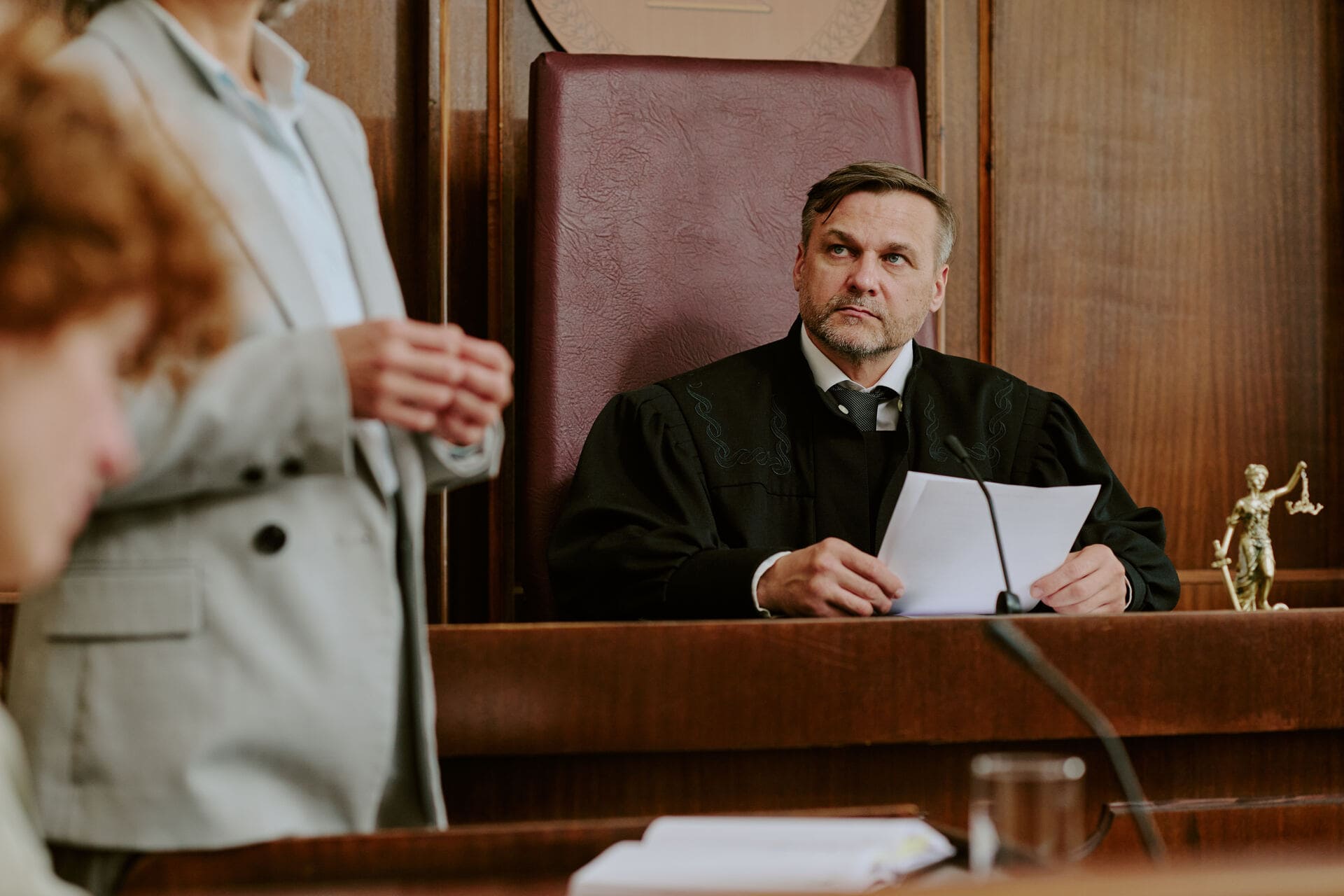
What Happens Immediately After a Mistrial Is Declared
When a judge declares a mistrial, several immediate procedural steps occur that defendants and their families should understand:
The jury is formally dismissed from their duties, and their deliberations conclude without reaching a verdict. Your criminal charges remain pending – the mistrial does not eliminate the prosecution’s case.
Your custody status continues unchanged. If you were released on bond before trial, those conditions remain in effect. If you were in custody, you’ll typically return to jail unless your attorney successfully argues for bond modification.
The judge will schedule a hearing to address next steps, including setting deadlines for the prosecution’s retrial decision. This typically occurs within days or weeks of the mistrial declaration.
It’s critical to understand that mistrial vs dismissal represents two completely different legal outcomes. A dismissal ends your case permanently, while a mistrial simply pauses proceedings and allows the prosecution to start over with a new trial.
Can a Case Be Retried After a Mistrial in Texas
Yes, in most cases the prosecution can retry a defendant after a mistrial in Texas, as mistrials typically do not trigger double jeopardy protections.
However, whether the state pursues a criminal retrial Texas depends on several factors prosecutors carefully evaluate:
- Strength of the evidence
Prosecutors assess whether their case improved or weakened during the first trial based on witness testimony, evidence presentation, and jury reactions. - Nature of the jury split
A hung jury that favored acquittal 11-1 sends a different message than a 7-5 split, influencing prosecutorial confidence in retrial success. - Public interest and resources
High-profile cases or serious felonies are more likely to be retried than minor offenses requiring significant state resources. - Plea negotiation opportunities
Prosecutors may offer more favorable plea agreements after experiencing trial difficulties rather than investing in a retrial. - Case complexity and cost
Lengthy trials requiring extensive expert testimony or numerous witnesses create financial pressures that may discourage retrial.
Prosecutors typically have 30-90 days to decide on retrial, though Texas law doesn’t impose strict deadlines. During this period, defense attorneys can engage in discussions about case resolution.
Does Double Jeopardy Apply After a Mistrial
Double jeopardy Texas protections prevent the state from prosecuting someone twice for the same offense after an acquittal or conviction. However, mistrials create a unique situation where double jeopardy typically does NOT apply.
The Fifth Amendment allows retrial after mistrials because the original trial never reached a final resolution. Texas courts hold that hung juries and procedural mistrials don’t constitute the type of final judgment that triggers double jeopardy protection.
Exception: Prosecutorial misconduct intended to force a mistrial
When prosecutorial misconduct mistrial occurs, double jeopardy may prevent retrial if the defense can prove the prosecutor intentionally caused the mistrial to gain tactical advantage. Texas courts apply a high standard for this defense, requiring clear evidence of prosecutorial intent to manipulate the proceedings.
Examples of misconduct that might bar retrial include:
- Deliberately introducing inadmissible evidence to force a mistrial when losing
- Making inflammatory statements designed to prejudice the jury beyond repair
- Violating explicit court orders with the goal of creating reversible error
Defense attorneys must file specific motions arguing that prosecutorial misconduct bars retrial under double jeopardy principles.
What If the Mistrial Was Caused by Prosecutorial Misconduct
When prosecutorial misconduct causes a mistrial, defendants gain significant strategic advantages that experienced criminal defense counsel can leverage effectively.
Defense attorneys can file motions to dismiss based on prosecutorial misconduct, arguing that retrial violates double jeopardy or due process rights. Texas courts examine whether the misconduct was intentional and whether it created unfair prejudice that cannot be cured through jury instruction.
Standards Texas courts apply include:
- Whether the prosecutor acted with intent to provoke mistrial
- If alternative remedies besides mistrial were available
- The severity and persistence of the misconduct
- Whether the misconduct created irreparable prejudice
Types of misconduct that strengthen dismissal motions:
- Withholding exculpatory evidence (Brady violations)
- Making improper character arguments about the defendant
- Inflammatory statements designed to prejudice the jury
- Violating discovery obligations or court orders
This situation demonstrates why having experienced West Texas criminal defense representation becomes crucial after a mistrial. The Keith & Lorfing team understands Texas criminal procedure and prosecutorial tactics, providing the aggressive advocacy needed to protect clients’ rights in post-mistrial proceedings.
How Long Does the State Have to Retry a Case
Texas law doesn’t impose specific time limits for retrying cases after mistrials, but several practical and constitutional considerations create de facto deadlines that defense attorneys can use strategically.
Speedy trial rights continue to protect defendants even after mistrials. If significant delays occur between the mistrial and retrial, defense counsel can file motions to dismiss based on speedy trial violations.
Practical timeline expectations typically include:
30-90 days for prosecutorial decision on whether to retry
3-6 months for retrial scheduling in most jurisdictions
6-12 months for complex cases requiring extensive preparation
Strategic delay considerations may benefit either party. Prosecutors might delay if witnesses become more available or if evidence analysis improves their case. Defense attorneys might seek delays if witness memories fade or if plea negotiations continue.
Impact on defendants includes continued bond conditions, employment difficulties, and emotional stress from prolonged uncertainty. These factors often motivate plea discussions even when defendants believe they have strong defenses.
Defense Strategy After a Mistrial
Experienced criminal defense attorneys view mistrials as valuable intelligence-gathering opportunities that reveal prosecutorial strategies, witness credibility issues, and jury concerns. The Keith & Lorfing team leverages this insight to build stronger defenses for retrials or negotiate better outcomes.
Reviewing Trial Weaknesses
Jury feedback analysis helps identify which arguments resonated and which fell flat. Defense attorneys examine jury questions, deliberation length, and any polling information to understand case strengths and vulnerabilities.
Witness performance evaluation reveals credibility problems, inconsistencies, or presentation issues that can be addressed in retrial preparation. This includes assessing both prosecution and defense witnesses.
Evidence presentation review identifies technical problems, timing issues, or demonstrative evidence that confused rather than clarified key points for the jury.
Refining Defense Strategy
Theory adjustments based on jury reactions and prosecution strategy help focus the defense on the most persuasive arguments while eliminating weaker theories that may have confused the first jury.
Expert witness modifications might include replacing experts who performed poorly, adding specialists to address jury questions, or changing presentation methods to improve comprehension.
Narrative restructuring ensures the defense story flows logically and addresses specific concerns that emerged during the first trial.
Filing Motions to Dismiss
Prosecutorial misconduct motions challenge improper conduct that led to the mistrial, potentially barring retrial under double jeopardy principles.
Insufficient evidence motions argue that the state’s case lacks merit and that retrial would be fundamentally unfair given the prosecution’s failure to obtain conviction.
Constitutional violations including speedy trial, due process, or discovery violations that occurred during the first trial may prevent retrial.
Negotiating Favorable Plea Agreements
Prosecutorial uncertainty after a mistrial often creates opportunities for more favorable plea negotiations than were available before trial.
Cost-benefit analysis for the state may favor plea resolution rather than expensive retrial, especially in cases where conviction seems uncertain.
Timing leverage allows defense attorneys to negotiate while prosecutors face uncertainty about retrial success and resource allocation.
Preparing for Retrial
Enhanced preparation incorporates lessons learned from the first trial, including improved witness preparation, refined opening and closing arguments, and better demonstrative evidence.
Jury selection refinement uses insights from the first jury to identify favorable and unfavorable juror characteristics for more effective voir dire.
Evidence streamlining focuses on the most compelling evidence while eliminating confusing or repetitive testimony that may have contributed to the hung jury.
Can Charges Be Dismissed After a Mistrial
Yes, criminal charges can be dismissed after a mistrial, though dismissal is not automatic and typically requires prosecutorial discretion or successful defense motions.
Prosecutorial discretion represents the most common path to dismissal after mistrial. Prosecutors evaluate whether retrial serves justice and represents an effective use of state resources.
Factors favoring dismissal include:
- Weak evidence that failed to convince the first jury
- Witness credibility problems revealed during trial
- Cost considerations for complex or lengthy retrials
- Public policy concerns about prosecuting cases with low conviction probability
Defense-initiated dismissals can result from successful motions challenging prosecutorial misconduct, constitutional violations, or insufficient evidence. These motions require strong legal arguments and thorough documentation.
Case examples where dismissals occur include situations where key witnesses become unavailable, physical evidence is compromised, or appellate decisions change applicable law between the mistrial and scheduled retrial.
What Happens to Bond After a Mistrial
Many defendants wonder about their custody status after a mistrial, and this represents an area where West Texas criminal defense experience provides crucial guidance.
Bond typically continues under the same terms and conditions that were in place during the original trial. The mistrial doesn’t automatically modify bond amounts or release conditions.
However, circumstances may warrant bond modification based on changed conditions or new information that emerged during trial:
Upward modifications might occur if the prosecution presents new evidence suggesting flight risk or public safety concerns that weren’t considered in the original bond hearing.
Downward modifications or release may be appropriate if trial testimony revealed weaknesses in the prosecution’s case or if the defendant’s circumstances have improved since the original bond setting.
Conditions remain in place including travel restrictions, contact limitations, and any monitoring requirements established by the court.
Defense attorneys should evaluate whether bond modification motions serve their clients’ interests, considering factors like case strength, prosecutorial intentions regarding retrial, and client circumstances.
Should You Hire a Criminal Defense Lawyer After a Mistrial
Absolutely. The period following a mistrial represents a critical juncture where experienced legal representation can significantly impact your case outcome. If you don’t already have counsel, or if you’re considering changing attorneys, this decision could determine whether you face retrial, secure a favorable plea agreement, or achieve case dismissal.
Strategic advantages of experienced counsel include:
- Prosecutorial negotiation leverage during the uncertainty period
- Motion practice to challenge retrial or seek dismissal
- Case evaluation using intelligence gathered from the first trial
- Constitutional protection against speedy trial violations and due process issues
Russell Lorfing and the Keith & Lorfing team bring West Texas Tough advocacy to post-mistrial defense strategy. With over 500 jury trials and extensive experience in Texas criminal courts, our attorneys understand how to leverage mistrials for client benefit.
Our Abilene criminal defense lawyer services include comprehensive post-mistrial analysis and strategic planning. We focus on achieving the best possible outcomes for clients throughout West Texas.
The window for strategic action is limited after a mistrial. Prosecutors make retrial decisions quickly, and early intervention by experienced counsel can influence those decisions favorably.
Contact our criminal defense team at (325) 480-8100 for immediate consultation about your post-mistrial options.
📞 Contact a Texas Criminal Defense Attorney Today
Don’t navigate post-mistrial proceedings alone. The decisions made in the weeks following a mistrial can determine your case’s ultimate outcome, and experienced legal representation becomes essential for protecting your rights.
Keith & Lorfing’s West Texas criminal defense attorneys provide the aggressive advocacy and strategic thinking you need during this critical period. Our team brings extensive experience in post-mistrial proceedings, working to achieve dismissals, favorable plea agreements, and successful outcomes for clients throughout West Texas.
Our Lubbock criminal defense lawyer services extend throughout the region, and we’re immediately available to discuss your situation and develop a comprehensive strategy for moving forward.
Time is crucial in post-mistrial proceedings. Reach out to our firm today at (325) 480-8100 to schedule your consultation and ensure your rights are protected throughout this process.

Frequently Asked Questions
Can a mistrial lead to dismissal in Texas?
Yes, a mistrial can lead to case dismissal in Texas, though dismissal is not automatic. Prosecutors may choose to dismiss charges if they determine the case is too weak to retry successfully, if key evidence becomes unavailable, or if retrial costs outweigh potential benefits.
Defense attorneys can also file motions to dismiss based on prosecutorial misconduct or constitutional violations that caused the mistrial.
How many times can a case be retried after a mistrial?
Texas law doesn’t limit the number of retrials after mistrials, but practical considerations usually prevent multiple retrials. Each subsequent trial requires significant resources, and repeated mistrials often indicate fundamental problems with the prosecution’s case.
Most cases resolve through dismissal or plea agreement after one or two retrials, though prosecutors technically could pursue additional retrials if justified.
Does a mistrial mean the defendant is innocent?
No, a mistrial does not indicate innocence or guilt. A mistrial simply means the trial could not reach a valid conclusion due to procedural problems, jury deadlock, or other issues.
The charges remain pending, and the prosecution can typically pursue retrial. Only acquittal or case dismissal resolves the charges in the defendant’s favor.
What happens if the jury is deadlocked in Texas?
When a jury becomes deadlocked in Texas and cannot reach unanimous agreement after reasonable deliberation time, the judge will typically declare a mistrial.
Texas requires unanimous verdicts in criminal cases, so any holdout juror prevents conviction. The prosecution can then decide whether to retry the case with a new jury or pursue other resolution options.
Can new evidence be introduced in a retrial?
Yes, both prosecution and defense can introduce new evidence in a retrial that wasn’t presented in the first trial, subject to discovery rules and constitutional requirements.
However, the prosecution cannot use the first trial purely as a “practice run” to improve their case unfairly. Any new evidence must comply with normal admissibility standards and disclosure requirements under Texas criminal procedure.