What Is Failure to Identify in Texas?
Texas Penal Code § 38.02 defines failure to identify as an offense that occurs in specific situations when interacting with law enforcement.
According to the Texas Department of Public Safety, a person commits this offense if they:
- Refuse to give their name, residence address, or date of birth to a peace officer who has lawfully arrested the person and requested the information
- Intentionally give a false or fictitious name, residence address, or date of birth to a peace officer who has lawfully detained the person
The key distinction here is between being “arrested” versus being “detained.” You’re legally required to identify yourself in both situations, but the penalties differ based on whether you refuse to provide information or actively give false information.
When Are You Required to Identify Yourself?
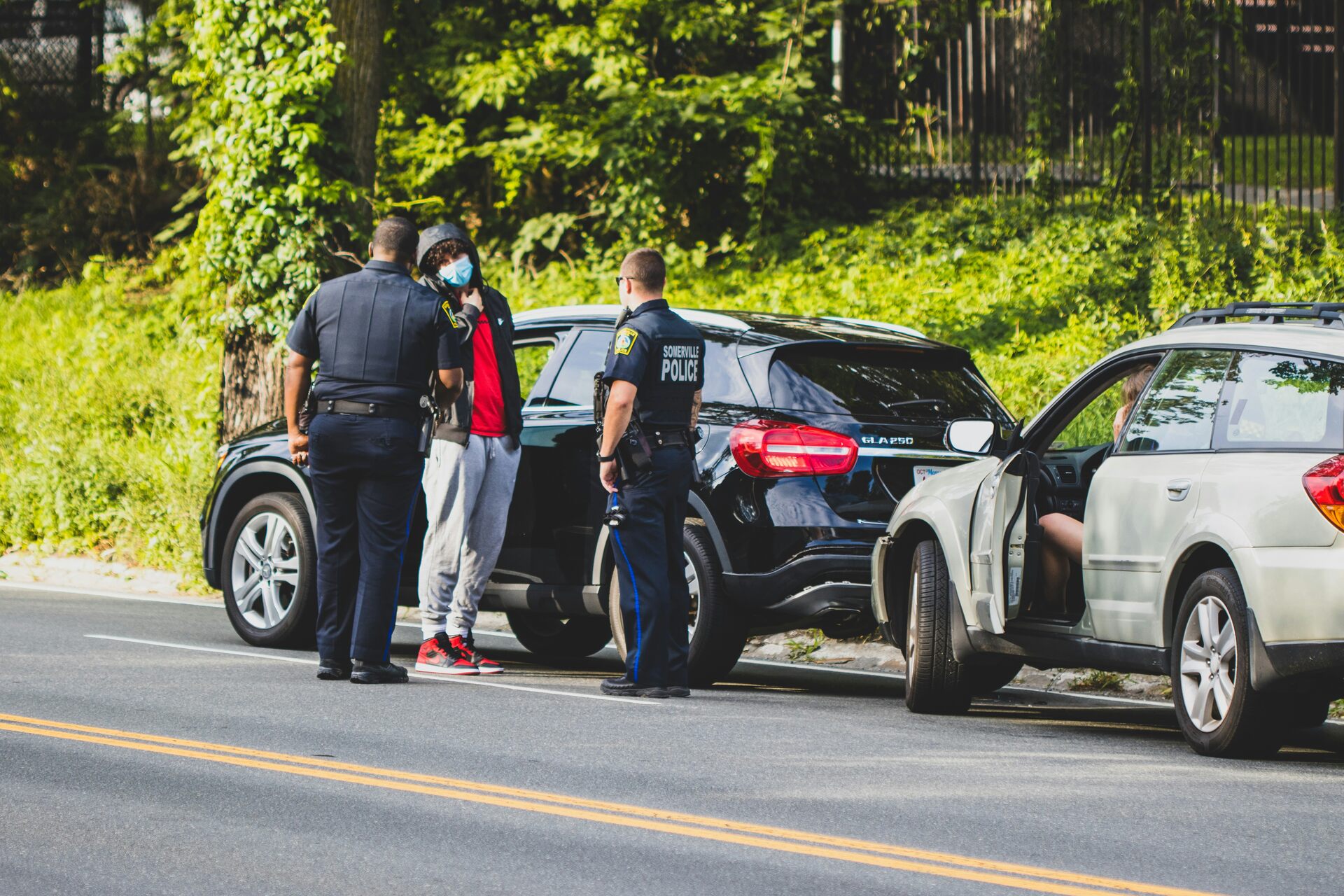
You must identify yourself when:
✓ You’ve been lawfully arrested by a peace officer
✓ You’ve been lawfully detained and the officer requests identification
✓ You’re driving a motor vehicle during a lawful traffic stop
Important: The detention or arrest must be lawful. If an officer lacks reasonable suspicion or probable cause, you may have grounds to challenge the charge.
Common Misconceptions About Identification Requirements
Many people believe they must show a physical ID card, but Texas law only requires you to verbally provide your name, address, and date of birth. You don’t need to carry or present a driver’s license unless you’re driving a vehicle.
Is Failure to Identify a Misdemeanor in Texas?
Yes, failure to identify is classified as a misdemeanor in Texas, but the specific class depends on your actions and circumstances:
Class C Misdemeanor: Refusing to provide identifying information when lawfully arrested
Class B Misdemeanor: Intentionally giving false information when lawfully detained
Class A Misdemeanor: Giving false information when you are a fugitive from justice (have an outstanding warrant)
The escalation from Class C to Class A reflects the legislature’s view that actively deceiving law enforcement while having an outstanding warrant is significantly more serious than simply remaining silent or providing false information without a warrant.
Penalties for Failure to Identify in Texas
The penalties for failure to identify vary based on the classification of your offense:
| Offense Level | Maximum Fine | Maximum Jail Time | Circumstances |
|---|---|---|---|
| Class C Misdemeanor | $500 | None | Refusing to identify when lawfully arrested |
| Class B Misdemeanor | $2,000 | 180 days | Giving false information when lawfully detained |
| Class A Misdemeanor | $4,000 | 1 year | Giving false information when you are a fugitive from justice (have outstanding warrant) |
Long-Term Consequences
A failure to identify conviction creates lasting problems beyond immediate penalties:
Employment Impact: Background checks reveal the conviction, affecting job opportunities and professional licensing.
Housing Challenges: Landlords often deny rental applications for applicants with criminal records.
Immigration Consequences: Non-citizens may face deportation proceedings, as criminal convictions can trigger removal proceedings.
Educational Opportunities: Some colleges consider criminal history in admissions and financial aid decisions.
Common Scenarios Leading to Failure to Identify Charges
Traffic Stops and Investigations
Officers may request identification during traffic stops. While drivers must provide their license, passengers generally aren’t required to identify themselves unless detained with reasonable suspicion of criminal activity.
Pedestrian Stops and Investigations
Police conducting investigations often approach individuals for questioning. If you’re detained—meaning you’re not free to leave—and the officer requests identification, failure to comply can result in charges.
Outstanding Warrant Situations
Under Texas Penal Code § 38.01(5), a “fugitive from justice” means a person with a valid arrest warrant. Giving false information while having an outstanding warrant results in the most serious penalty level.
Identity Confusion Cases
Providing false information—even with good intentions—violates the law. Law enforcement databases quickly reveal discrepancies, making deception ineffective and legally costly.
Failure to Identify vs. Resisting Arrest
Many people confuse failure to identify with resisting arrest, but they’re distinct offenses under Texas law:
Failure to Identify focuses specifically on providing identification information to law enforcement. It’s about communication and truthfulness.
Resisting Arrest involves physical or active opposition to being arrested or searched. This can include struggling, fleeing, or interfering with the arrest process.
 How Courts View These Charges Together
Prosecutors often file both charges simultaneously, viewing them as evidence of a pattern of non-cooperation with law enforcement.
Texas courts generally treat these as separate offenses that can be stacked together, meaning you could face penalties for both charges.
The combination suggests to judges and juries that a defendant was actively trying to obstruct law enforcement, which can influence sentencing decisions and plea negotiations.
Defending a Failure to Identify Charge
Several defense strategies can be effective against failure to identify charges:
Challenging the Lawfulness of Detention or Arrest
If the initial stop, detention, or arrest was unlawful, any failure to identify charge should be dismissed. This requires examining whether the officer had:
- Reasonable suspicion for the detention
- Probable cause for the arrest
- Proper legal authority to make the stop
Constitutional Violations
Fourth Amendment protections against unreasonable searches and seizures apply to identification requests. If officers violated your constitutional rights during the encounter, evidence obtained afterward may be suppressed.
Lack of Intent to Deceive
For charges involving false information, prosecutors must prove you intentionally gave incorrect details. If you genuinely made a mistake or were confused about the situation, this could be a valid defense.
Mistaken Identity by Officers
Sometimes officers misidentify individuals or confuse similar-looking people. Proving you weren’t the person the officer intended to detain can result in dismissal.
Procedural Defenses
Technical defenses might include improper notice of charges, statute of limitations issues, or jurisdictional problems with where the offense allegedly occurred.
Why You Need a Texas Criminal Defense Attorney
Local knowledge matters significantly in criminal defense:
Understanding Local Court Systems
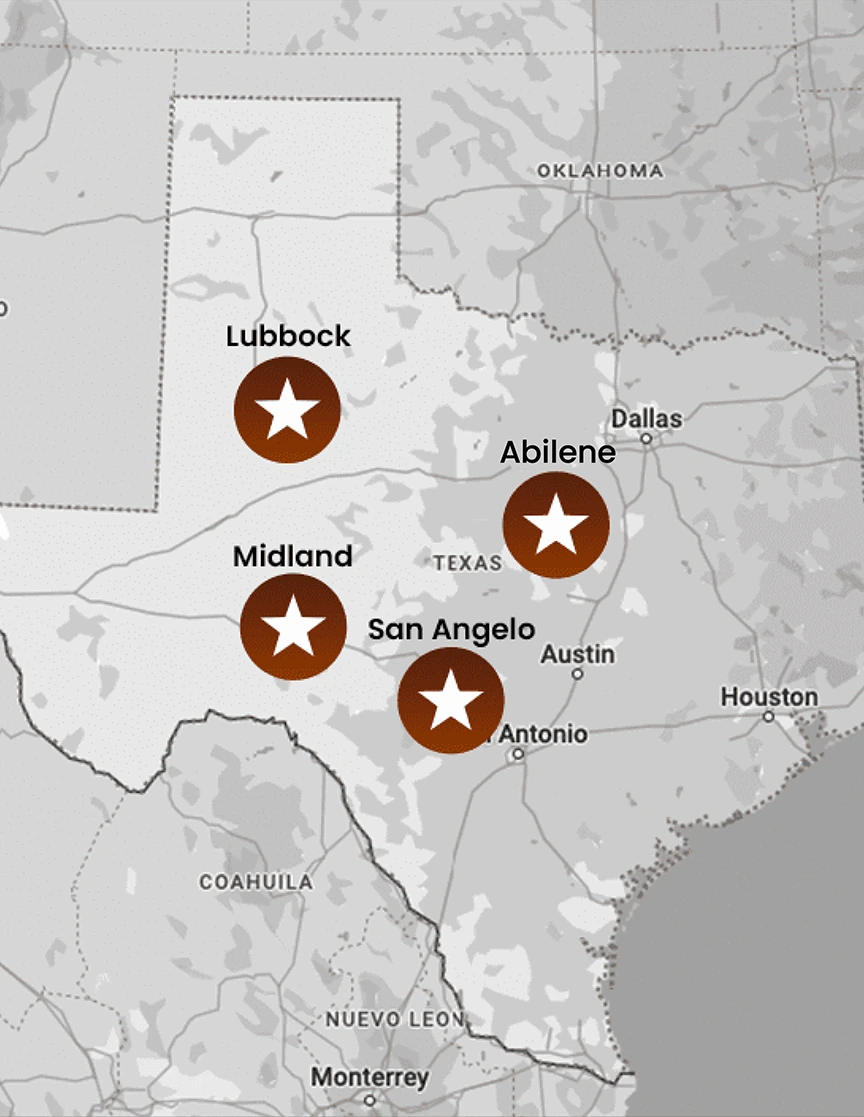
West Texas courts have specific procedures and tendencies. Our attorneys practice regularly in Abilene, Lubbock, Midland, and San Angelo, providing insight into how local judges and prosecutors handle these cases.
Strategic Case Development
An experienced Abilene criminal defense lawyer can:
- File Motions: Seek suppression of evidence from unlawful stops
- Negotiate: Pursue reduced charges or alternative sentencing
- Prepare for Trial: Build strong defenses if your case proceeds to trial
- Minimize Impact: Protect your future opportunities while addressing immediate challenges
We handle state criminal defense cases throughout West Texas with over 500 jury trials of experience.
Contact Our Texas Criminal Defense Team
Time is critical when facing criminal charges. The sooner you contact an attorney, the more options we have to protect your rights and build your defense.
Don’t let a failure to identify charge derail your future. Our West Texas criminal defense attorneys understand local courts, know the prosecutors, and have the trial experience to fight for the best possible outcome.
Call (325) 480-8100 now for immediate legal assistance.
We offer consultations to discuss your case and explain your options. Remember, what you say to police can be used against you, but communications with your attorney are protected by attorney-client privilege.
FAQs About Failure to Identify in Texas
What happens if you refuse to identify yourself in Texas?
If you refuse to provide your name, address, and date of birth when lawfully arrested, you face a Class C misdemeanor punishable by a fine up to $500. However, the long-term consequences of having a criminal record often outweigh the immediate financial penalty.
The conviction appears on background checks and can affect employment, housing, and other opportunities. If you had an outstanding warrant at the time, the charge escalates to a Class B misdemeanor with potential jail time.
Can you be arrested for not showing ID in Texas?
You cannot be arrested solely for not carrying physical identification. Texas law only requires you to verbally provide identifying information when lawfully detained or arrested.
However, if you refuse to give this information when legally required, you can be charged with failure to identify, which could lead to arrest for that separate offense.
Is failure to identify a serious charge?
While classified as a misdemeanor, failure to identify can have serious consequences.
Beyond immediate fines and potential jail time, a conviction creates a permanent criminal record affecting background checks, employment opportunities, professional licensing, and immigration status for non-citizens.
The charge also suggests non-cooperation with law enforcement, which prosecutors and judges often view unfavorably.
What’s the difference between failure to identify and giving a fake name?
The key difference lies in your actions and the legal situation:
- Failure to identify: Refusing to provide any identifying information when lawfully arrested (Class C misdemeanor)
- Giving false information: Intentionally providing incorrect name, address, or birth date when lawfully detained (Class B misdemeanor, or Class A if you have a warrant)
Actively deceiving law enforcement carries heavier penalties than simply remaining silent, reflecting the legal system’s view that false information is more obstructive than non-cooperation.