Skip to content
Unlawful disclosure of intimate materials—commonly called “revenge porn”—is a serious criminal offense under Texas Penal Code § 21.16. Prosecutors across Texas pursue these charges aggressively, with consequences including criminal penalties, substantial fines, and potential imprisonment.
If you’re facing accusations related to intimate image disclosure, understanding your rights and potential defenses is essential. At Keith & Lorfing, our experienced criminal defense attorneys provide discreet, strategic representation throughout West Texas. Contact us at (325) 480-8100 for a confidential consultation.
What Is Considered Revenge Porn Under Texas Law?
Texas Penal Code § 21.16 defines unlawful disclosure of intimate materials as intentionally disclosing visual material depicting another person’s intimate parts or sexual conduct. The prosecution must prove three key elements beyond a reasonable doubt:
- Intent to Harm

Intentional disclosure with the purpose of harming, harassing, intimidating, threatening, or coercing the depicted person. - Disclosure Without Consent
The depicted person did not consent to the disclosure at the time it occurred. - Reasonable Expectation of Privacy
The disclosed material was obtained or created under circumstances where privacy was reasonably expected.
Consider this hypothetical scenario: After a relationship ends, someone posts intimate photos received during the relationship on social media with the ex-partner’s name attached, intending to embarrass them publicly. This would likely satisfy all three elements under Texas law, as it involves disclosure without consent, with clear intent to harm, and the photos were originally shared with an expectation of privacy.
Is Revenge Porn a Felony in Texas?
All violations of Texas Penal Code § 21.16 are classified as state jail felonies, upgraded from Class A misdemeanors in 2017.
Current Penalties
| Classification | Penalty Range | Maximum Fine |
|---|---|---|
| State Jail Felony | 180 days – 2 years in state jail | $10,000 |
| Enhanced to 3rd Degree Felony | 2 – 10 years in prison | $10,000 |
Enhancement to Third-Degree Felony occurs when the offense is committed against a public servant, their family member, or their property in retaliation for the public servant’s official duties.
Currently, Texas Penal Code § 21.16 is not a registrable offense for sex offender registration purposes, though this could change through future legislation.
Felony convictions create lasting consequences beyond incarceration, potentially affecting employment opportunities, professional licensing, housing applications, and personal relationships.
Defending Against Revenge Porn Charges in Texas
Our criminal defense attorney in Abilene and Lubbock criminal defense lawyer for sex crimes have successfully defended clients against unlawful disclosure charges using various strategic approaches.
Lack of Intent or Consent to Harm
One of the most effective defenses challenges the prosecution’s ability to prove malicious intent. If the disclosure occurred accidentally, as part of a broader data breach, or without knowledge that the material contained intimate images, this element may not be satisfied.
Digital evidence can be complex, and circumstances involving unauthorized access, device compromises, or automatic cloud syncing may provide viable defenses depending on the specific facts of each case.
Material Not Considered “Intimate”
The statute requires that disclosed materials depict intimate parts or sexual conduct. Images that don’t meet this specific definition may not qualify under Texas Penal Code § 21.16, even if they were shared without permission.
False Accusations and Digital Misidentification
Digital evidence can be manipulated, devices can be compromised, and accounts can be impersonated. We work with forensic experts to analyze:
- IP address logs and device metadata
- Account access records and login histories
- Digital fingerprints and authenticity verification
- Third-party application permissions and data sharing
Violation of Constitutional Rights (Free Speech or Due Process)
While intimate image disclosure isn’t protected speech, procedural violations during investigation or prosecution may provide grounds for dismissal. This includes unlawful searches of digital devices, coerced statements, or prosecutorial overreach.
Contact our criminal defense attorneys today to review the evidence and build your defense. Call (325) 480-8100 for immediate assistance.
How Texas Handles Digital Harassment and Related Offenses
Unlawful disclosure cases often involve overlapping charges that significantly increase potential penalties:
- Texas Penal Code § 42.072 (Stalking) applies when intimate image disclosure is part of a pattern of harassment.
- Texas Penal Code § 33.07 (Online Impersonation) applies when fake profiles are created to distribute materials.
- Federal Charges may apply if disclosure crosses state lines, potentially including violations of federal cyberstalking laws.
Texas prosecutors frequently file multiple charges from the same incident to maximize penalties. A single episode might result in charges for unlawful disclosure, online harassment, stalking, and computer crimes.
What to Do If You’re Accused of Unlawful Disclosure of Intimate Materials
The steps you take immediately after learning about accusations can significantly impact your case outcome.
Do Not Contact the Alleged Victim
Any attempt to communicate with the accuser, whether directly or through intermediaries, can be construed as harassment or witness tampering. Even well-intentioned apologies may be used as admissions of guilt during prosecution.
Preserve All Electronic Communications and Evidence
 Digital Evidence Preservation Checklist:
- Maintain all devices in their current state
- Document cloud storage accounts and shared access
- Preserve social media accounts and messaging histories
- Collect screenshots of relevant conversations or posts
- Maintain records of account access and login activities
Hire an Experienced Sex Crime Defense Lawyer
The complexity of digital evidence and the sensitive nature of these charges require specialized legal expertise. Our attorneys understand both the technical aspects of digital investigations and the nuanced legal strategies necessary for effective defense.
Our Texas-based attorneys provide discreet and strategic defense for clients facing accusations related to intimate material disclosures. Contact us immediately at (325) 480-8100 to protect your rights.
Legal Penalties and Long-Term Consequences
Beyond immediate criminal penalties, convictions carry lasting consequences affecting virtually every aspect of life.
Immediate Penalties
- Prison Time: 180 days to 2 years in state jail (potentially 2-10 years if enhanced)
- Financial Penalties: Fines up to $10,000, plus court costs and restitution
- Probation Requirements: Including counseling, community service, and regular reporting
Professional and Social Impact
Professional licenses may be suspended or revoked in healthcare, education, legal, and financial services. Employment background checks reveal convictions, eliminating opportunities in fields requiring trust and discretion.
Additional Consequences
Victims may pursue civil lawsuits seeking monetary damages for emotional distress and other harms. Courts may impose internet usage restrictions and social media access limitations as probation conditions.
Why Choose Our Texas Criminal Defense Firm
Keith & Lorfing brings over 500 jury trials and 75 years of combined experience to defending clients against sex crime charges throughout West Texas.
Local Expertise in Texas Sex Crime Laws
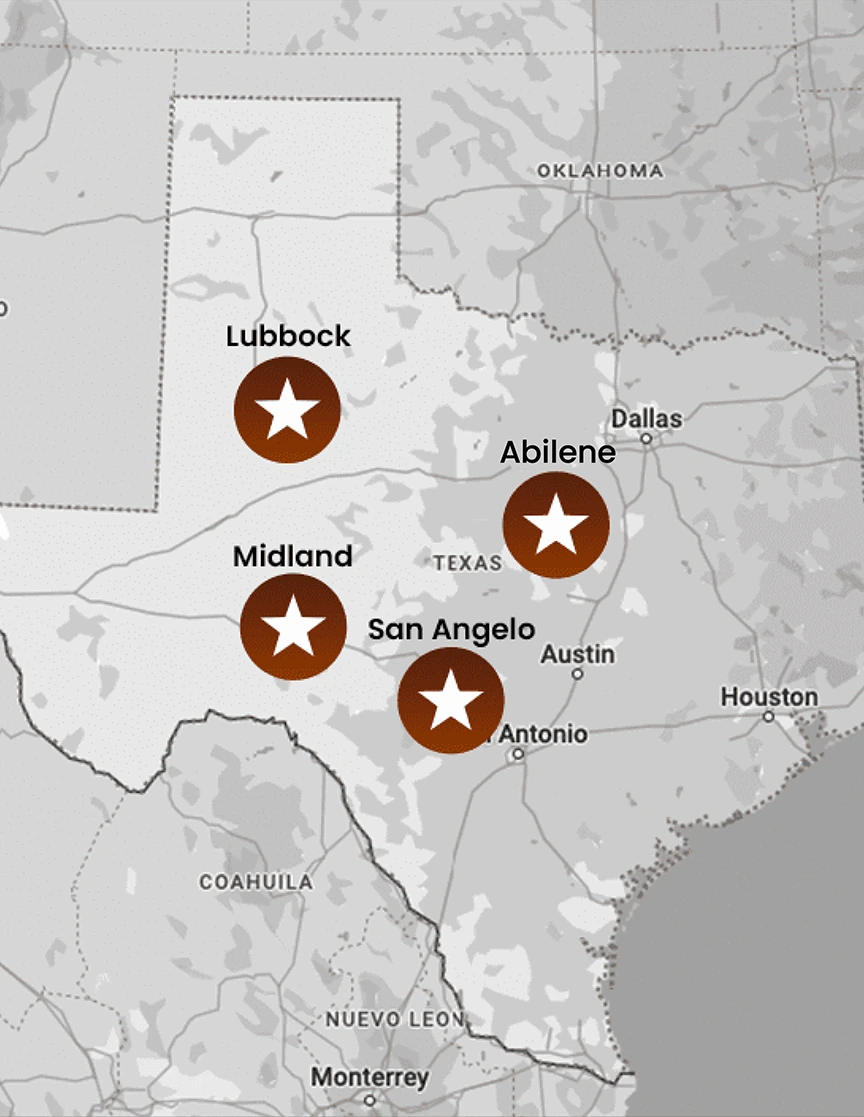
Our attorneys understand local prosecutors’ strategies and have established relationships that benefit clients during negotiations in courts throughout Abilene, Lubbock, San Angelo, and Midland.
Digital Evidence and Electronic Discovery Knowledge
Modern revenge porn cases hinge on complex digital evidence. Our team works with forensic experts to analyze electronic evidence, challenge authenticity, and identify procedural violations that may lead to evidence suppression.
Frequently Asked Questions (FAQs)
Is revenge porn illegal in Texas?
Yes. Texas Penal Code § 21.16 makes unlawful disclosure of intimate materials a criminal offense punishable by fines and imprisonment.
What is the penalty for unlawful disclosure of intimate materials?
Penalties range from Class A misdemeanor (up to 1 year jail, $4,000 fine) to third-degree felony (2-10 years prison, $10,000 fine), depending on circumstances and prior convictions.
Can someone go to jail for sending explicit photos of someone else?
Yes, if the images were sent without the depicted person’s consent and with intent to harm, this constitutes unlawful disclosure under Texas law.
Does Texas require consent for sharing intimate images?
Texas law requires the depicted person’s consent for disclosure of intimate materials. Original consent to create the images does not constitute consent to share them.
What if I was hacked and didn’t send the image?
If materials were disclosed due to hacking, unauthorized account access, or other third-party actions without your knowledge or intent, this may provide a complete defense to criminal charges.
Do I have to register as a sex offender in Texas if guilty of Unlawful Disclosure of Intimate Visual Material?
No, Texas Penal Code § 21.16 is currently not a registrable offense under Texas sex offender registration laws. However, the legislature could potentially add this to the list of registrable offenses in the future.
How can I remove intimate images from the internet?
While criminal charges address the disclosure, civil remedies and takedown procedures may help remove materials from online platforms. We can connect you with specialists in digital reputation management.
Don’t let accusations of unlawful disclosure of intimate materials destroy your future. Contact Keith & Lorfing today at (325) 480-8100 for immediate, confidential legal assistance from experienced Texas criminal defense attorneys who understand the complexities of digital evidence and sex crime defense.