Skip to content
When you’re injured due to someone else’s negligence, knowing Texas’s statute of limitations for personal injury claims is essential to protecting your right to compensation.
In Texas, most personal injury cases must be filed within two years.
This two-year statute of limitations creates an absolute deadline—missing it typically means losing your right to seek compensation forever, regardless of how strong your case might be.
While certain exceptions exist, they are limited and require specific legal circumstances.

Contact our experienced Abilene personal injury lawyer for immediate legal guidance.
What Is the Statute of Limitations for Personal Injury in Texas?
Texas law establishes a two-year statute of limitations for most personal injury claims under Texas Civil Practice and Remedies Code § 16.003. This means you have exactly two years from the date of your injury to file a lawsuit in court.
The “clock” starts ticking on the date of accrual—when your injury occurs. For a car accident on January 1, 2024, you have until January 1, 2026, to file your lawsuit.
This two-year rule applies to various types of personal injury cases, including:
- Motor vehicle accidents (cars, trucks, motorcycles)
- Slip and fall incidents on someone else’s property
- Product liability cases involving defective products
- Workplace accidents (when not covered by workers’ compensation)
- Dog bite attacks
- Assault and battery cases
The statute of limitations is not the same as insurance claim deadlines. While you may have two years to file a civil lawsuit, insurance companies often have much shorter reporting requirements—sometimes as brief as 30 days.
Why the Statute of Limitations Matters
⚠️ Even a one-day delay can erase months of legal work; courts rarely grant leniency, and defendants often monitor deadlines closely to file immediate dismissal motions.
Protecting Your Right to Compensation
The statute of limitations serves as an absolute barrier to legal action. Once the limitation period expires, Texas courts will dismiss your case regardless of its merit.
Filing just one day late typically results in automatic dismissal.
Hypothetical Scenario: An individual suffers severe injuries in a car accident caused by a drunk driver. They focus on recovery and don’t consult an attorney until two years from the date of the accident plus one month. Despite clear liability and substantial medical bills, their case would be dismissed because they missed the filing deadline.
Preserving Evidence and Witness Testimony
Time destroys evidence. As months pass after an accident:
- Physical evidence may be destroyed or altered
- Witness memories fade or become unreliable
- Security camera footage gets overwritten
- Documents may be lost or disposed of
- Witnesses may move away or become unavailable
Filing promptly ensures our attorney can gather essential evidence while it’s fresh and accessible.
Encouraging Legal Efficiency
The statute of limitations promotes judicial efficiency by encouraging the prompt resolution of claims. Courts prioritize cases with recent injuries where the evidence is clearer.

Key Exceptions to the Texas Personal Injury Statute of Limitations
While the two-year rule is standard under Texas law, the state recognizes several important exceptions. These exceptions are narrow and strictly applied by courts, requiring specific legal circumstances and proper documentation.
Minors and Legally Incapacitated Persons
When a minor (under 18) is injured, the statute of limitations is tolled or paused until they reach age 18. This means:
- A 10-year-old injured in an accident has until age 20 to file suit
- If someone becomes legally incapacitated due to mental illness or disability, the limitation period is suspended until competency is restored
Parents can file suit on behalf of minor children before the child turns 18.
Wrongful Death Claims
Wrongful death cases follow a different timeline. The two-year period begins on the date of death, not the original injury date.
Hypothetical Example: If someone is injured in January 2024 but the accident resulted in the death of the victim in June 2024, the wrongful death statute of limitations runs until June 2026, not January 2026.
Discovery Rule
The discovery rule applies when injuries are inherently undiscoverable at the time they occur. Under this exception, the statute of limitations begins when the injury is discovered or reasonably should have been discovered.
This exception commonly applies to:
- Asbestos exposure cases where symptoms appear decades later
- Medical malpractice involving foreign objects left during surgery
- Toxic exposure cases with delayed health effects
Hypothetical Example: Consider a situation where someone discovers 15 years after surgery that a surgical sponge had been left in their abdomen. The discovery rule would allow the case to proceed because the injury was impossible to detect immediately.
Defendant Out of State
If the defendant who caused your injury leaves Texas, the statute of limitations is tolled during their absence. However, this exception requires:
- Proof the defendant actually left Texas
- Documentation of when they departed and returned
- Evidence that they were not available for the service of legal documents
First-Party Auto Insurance Claims
Auto insurance policies typically provide 2-4 years to file claims under your own coverage, depending on your specific policy terms. This may be longer than the general statute for suing other parties.

Claims Against Government Entities
Government liability claims follow the Texas Tort Claims Act, which requires:
- Notice to the government entity within 6 months of the incident
- Some cities and counties require even shorter notice periods (30-90 days)
- Failure to provide proper notice typically bars your claim entirely
| Notice Deadline | Filing Deadline |
|---|---|
| 6 months | 2 years |
| 6 months | 2 years |
| 90 days* | 2 years |
*Some cities require only 30 days’ notice
Maritime Claims
Maritime injuries typically follow federal law with a three-year statute of limitations. However, specific deadlines vary depending on:
- Whether the injury occurred on navigable waters
- The type of vessel involved
- Whether you’re a crew member or passenger
- Specific maritime laws that apply
Asbestos and Silica-Related Injuries
For occupational lung diseases like asbestos exposure or silicosis, the limitation period begins:
- Upon diagnosis of the disease, or
- Upon death, if the person dies before diagnosis
This exception recognizes that these diseases often don’t manifest symptoms for decades after exposure.
Sex Crimes Against Adults
Personal injury claims arising from sexual assault have a five-year statute of limitations in Texas, providing more time than standard personal injury cases. This extended limitation period recognizes the unique challenges victims face in reporting these offenses.
Sex Crimes Against Minors
Recent Texas law extended protection for childhood sexual abuse survivors, allowing claims up to 30 years after the victim’s 18th birthday. This statute recognizes the psychological barriers that often prevent childhood victims from coming forward immediately.
Texas’s statute of limitations can permanently block your claim if you miss the deadline. Contact our Abilene personal injury lawyer now for a free consultation.
Related Texas Statutes Affecting Personal Injury Claims
Beyond the statute of limitations, several other Texas statutes impact personal injury claims:
- Texas Comparative Negligence Law: Under the 51% rule codified in the Texas Civil Practice and Remedies Code, you can recover damages only if you’re less than 51% responsible for your injury. Your compensation is reduced by your percentage of fault.
- Medical Malpractice Caps: Texas law limits non-economic damages in medical malpractice cases, though exceptions exist for catastrophic injuries.
- Government Liability Limits: The Texas Tort Claims Act caps damages against the State of Texas and other government entities at $250,000 per person and $500,000 per incident for most claims.
📌 Damage caps and comparative negligence rules can significantly reduce payouts, making early strategy around fault allocation critical.

How to Protect Your Claim Before the Deadline
Seek Medical Attention Immediately
Prompt medical care protects your health and documents your injuries for legal purposes. Medical records created immediately after an accident carry significant weight in personal injury claims. Delays in treatment give insurance companies ammunition to argue your injuries weren’t serious or weren’t caused by the accident.
Contact Our Attorney Early
Don’t wait until the deadline approaches. Early attorney involvement provides:
- Immediate evidence preservation through legal hold notices
- Professional investigation while witness memories are fresh
- Insurance communication handled by experienced advocates
- Strategic case development from the beginning
At Russell Lorfing & Associates, we’ve seen too many cases where delayed attorney consultation resulted in lost evidence or weakened claims.
Preserve Evidence
Take immediate steps to protect essential evidence:
- Document everything: Take photos of the accident scene, your injuries, and property damage
- Vehicle preservation: Don’t repair vehicles until our attorney advises it’s safe to do so
- Keep all records: Medical bills, police reports, insurance correspondence, and work absence documentation
- Witness information: Collect names and contact information from anyone who saw the accident
Document All Communications
Maintain detailed records of:
- Insurance conversations (dates, times, representatives’ names)
- Medical appointments and treatment recommendations
- Work absences and lost income
- Pain levels and daily activity limitations
Start a simple journal documenting how your injuries affect your daily life. This personal record can be powerful evidence of your pain and suffering.
Understanding the Discovery Rule in Complex Cases
The discovery rule deserves special attention because it’s frequently misunderstood. Courts apply this exception only when injuries are truly undiscoverable through reasonable diligence.
Consider these contrasting scenarios:
- Discovery Rule Applies: An individual works in a factory with asbestos insulation for 30 years, retiring in 1990. In 2023, they’re diagnosed with mesothelioma. The discovery rule applies because mesothelioma symptoms don’t appear for decades, and they couldn’t have reasonably discovered their injury earlier.
- Discovery Rule Doesn’t Apply: Someone feels back pain immediately after a slip-and-fall accident but chooses not to see a doctor for six months. When they finally get medical attention, they learn they have a herniated disc. The discovery rule wouldn’t apply here because they were aware of their injury immediately—they simply chose to delay treatment.
The key distinction is whether the injury itself was discoverable within the statute of limitations period, not whether the full extent of damages was known immediately.
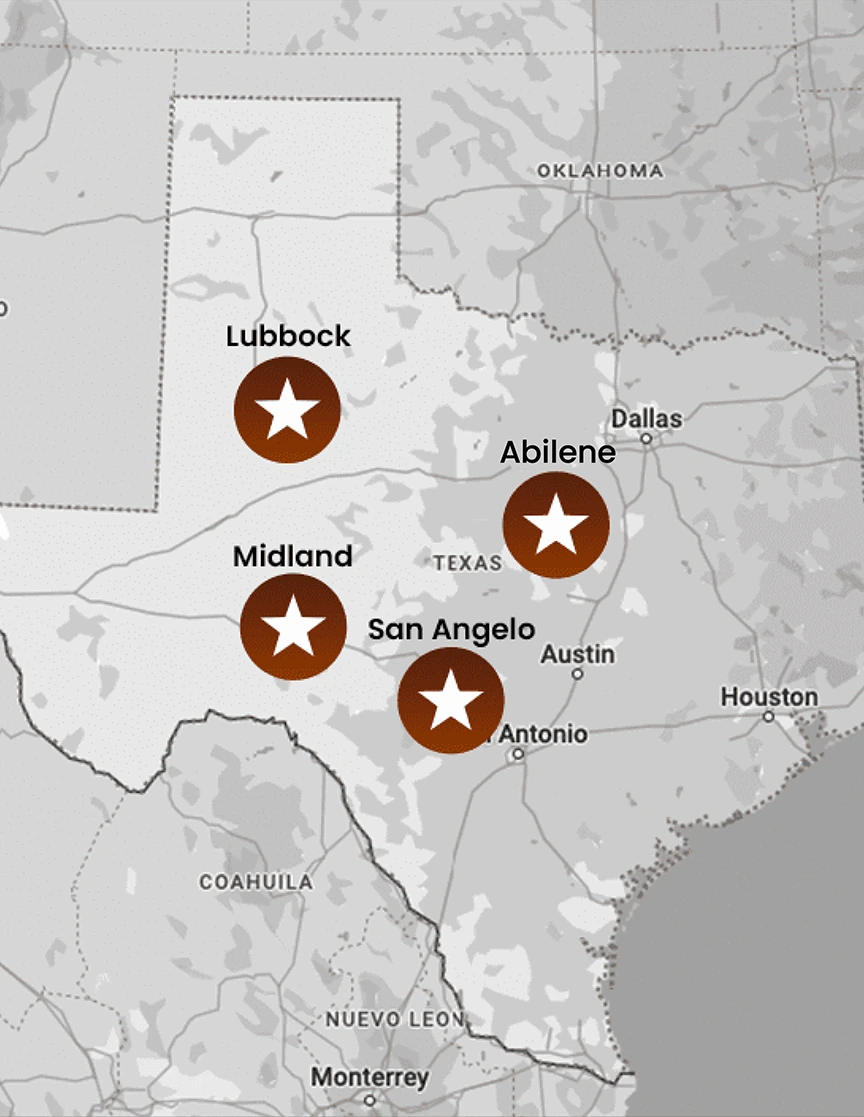
Special Considerations for West Texas Cases
West Texas presents unique challenges for personal injury cases due to:
- Rural Geography: Evidence preservation becomes more critical when accidents occur in remote areas with limited surveillance and fewer witnesses.
- Oil and Gas Industry: Industrial accidents involving drilling equipment or hazardous materials may trigger specialized statutes of limitations or federal regulations under different codes.
- Agricultural Operations: Farm accidents often involve multiple parties and complex insurance arrangements, making early legal intervention essential.
- Interstate Commerce: Highway accidents involving commercial vehicles may invoke federal trucking regulations with different notice requirements under the Transportation Code.
Our deep West Texas roots give us insight into these regional challenges. Russell Lorfing’s experience as a federal prosecutor in Lubbock, combined with our team’s knowledge of local industries and courts, positions us to manage these complexities effectively.
💡 Sparse populations and remote crash sites mean that accident scene documentation often relies on fewer witnesses and limited video surveillance, increasing urgency for on-scene evidence gathering.
Contact Our West Texas Personal Injury Lawyers Today
Time is working against you from the moment you’re injured. The statute of limitations creates an absolute deadline that no amount of evidence or legal skill can overcome once the limitation period has passed.
Every day you delay potentially weakens your case as evidence disappears and witnesses’ memories fade.
Don’t let insurance companies use Texas’s strict deadlines against you. They understand the different statutes of limitations and will often delay settlement negotiations, hoping you’ll miss critical deadlines.
We don’t just practice in West Texas—we live here, we understand the community, and we’re committed to leveling the playing field for hardworking Texans.
With over 500 jury trials and 150 years of combined experience, our team knows how to win—and win big—for our clients. Don’t wait. Your future compensation depends on acting within the statute of limitations.
Contact our Texas personal injury attorney today at (325) 480-8100 for your free consultation. We’ll evaluate your case, explain how the applicable statute of limitations applies to your situation, and begin working immediately to protect your rights.