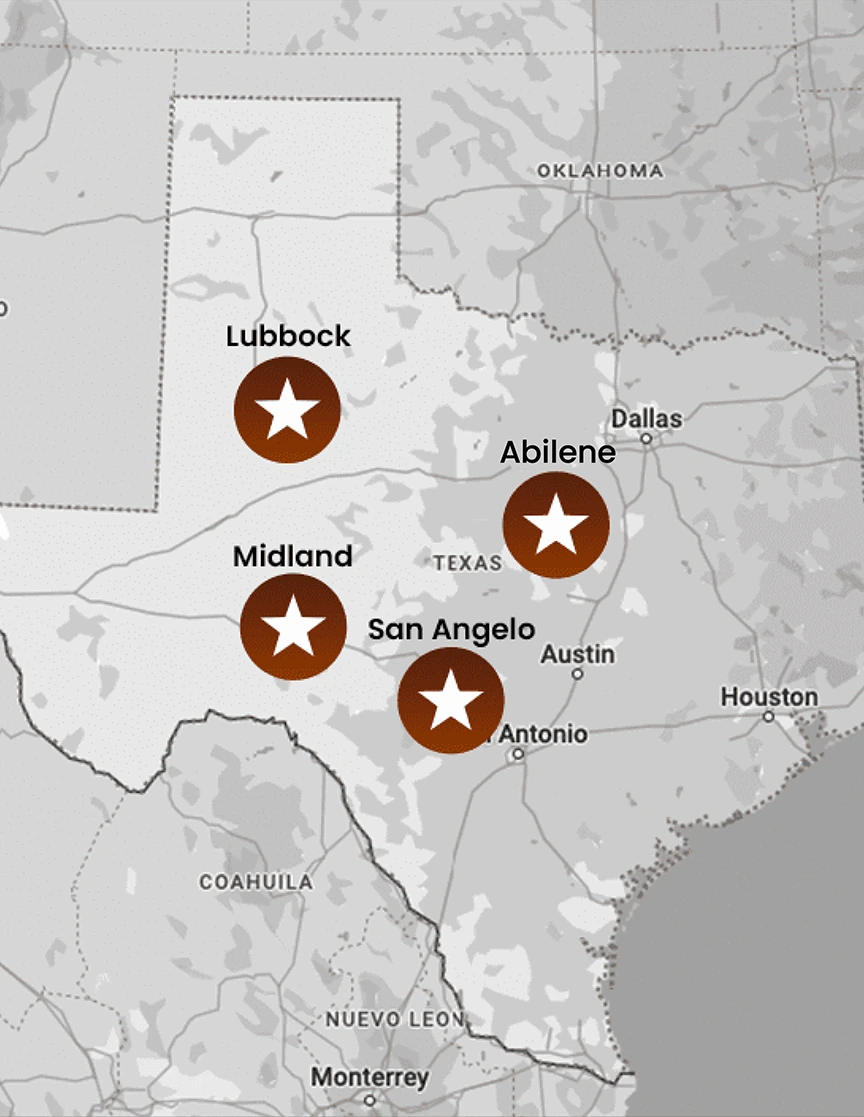
Being charged with unauthorized use of a vehicle (UUV) in Texas can be overwhelming and confusing. Many people mistakenly believe this charge is the same as auto theft, but the law makes important distinctions that can significantly impact your case. Under Texas Penal Code § 31.07, unauthorized use involves knowingly operating someone else’s vehicle without their consent, even temporarily. This state jail felony carries serious penalties including jail time, hefty fines, and long-lasting consequences for your record. If you’re facing UUV charges, immediate legal consultation with an experienced Abilene Criminal Defense Lawyer or Lubbock Criminal Defense Lawyer can protect your rights and explore defense options.
What Is Unauthorized Use of a Vehicle in Texas?
Under Texas Penal Code § 31.07, unauthorized use of a vehicle occurs when a person intentionally or knowingly operates another person’s boat, airplane, or motor vehicle without the owner’s effective consent. The key distinction between UUV and auto theft lies in intent: unauthorized use involves temporary deprivation, while theft requires intent to permanently deprive the owner of their property.
The statute defines “effective consent” as consent freely given by someone authorized to give it. This means that consent obtained through deception, intimidation, or from someone without authority doesn’t qualify as effective consent under Texas law.
Core elements prosecutors must prove:
- You operated someone else’s vehicle
- You did so without effective consent
- Your actions were intentional or knowing
- The owner did not authorize your use
🚗 Important note: Even returning the vehicle doesn’t eliminate the charge if you initially took it without permission.
Examples of Unauthorized Use of a Vehicle
Understanding what constitutes UUV helps clarify when charges might apply. Common scenarios include:
- Borrowing without clear permission: Taking your roommate’s car while they’re asleep, assuming they wouldn’t mind, constitutes unauthorized use if you didn’t receive explicit consent.
- Workplace vehicle misuse: Using a company truck for personal errands during off-hours without authorization violates the terms of permitted use and can result in UUV charges.
- Rental car violations: Keeping a rental vehicle beyond the contract period or allowing an unauthorized driver to operate it can trigger criminal charges beyond civil liability.
- Family disputes: Taking a family member’s car during an argument, even if you’ve driven it before, becomes unauthorized use without current consent.
- Hypothetical scenario: Sarah works at a landscaping company and has permission to drive the work truck during business hours. On Saturday, she takes the truck to help a friend move, thinking her boss wouldn’t mind. When her employer discovers the unauthorized weekend use, Sarah could face UUV charges despite her previous authorized access to the vehicle.
| Authorized Use | Unauthorized Use |
|---|---|
| Explicit verbal or written permission | Assumed permission without asking |
| Current, valid consent | Expired or revoked permission |
| Use within agreed parameters | Use beyond specified limitations |
| Authorized by vehicle owner | Permission from non-owner |
Legal Penalties for UUV in Texas
Unauthorized use of a vehicle is classified as a state jail felony under Texas law, carrying significant penalties that can impact your future opportunities.
Penalties include:
- 180 days to 2 years in state jail
- Fines up to $10,000
- Probation and community service
- Driver’s license suspension or restrictions
Beyond immediate penalties, a UUV conviction creates a permanent felony record that appears on background checks for employment, housing, professional licensing, and educational opportunities. Many employers automatically disqualify applicants with felony convictions.
Enhanced penalties may apply when UUV occurs alongside other offenses:
- Evading arrest while driving the unauthorized vehicle
- Driving while intoxicated (DWI)
- Reckless driving or endangering others
- Violation of protective orders
🏛️ According to the Texas Department of Public Safety, vehicle-related offenses account for a significant portion of property crime arrests statewide, with West Texas counties seeing consistent prosecution of UUV cases.
How Unauthorized Use Differs from Auto Theft or Joyriding
The distinction between these charges often determines case strategy and potential outcomes.
- Auto theft requires prosecutors to prove intent to permanently deprive the owner of their vehicle. This involves planning to sell, abandon, or keep the vehicle indefinitely. Auto theft typically carries higher felony charges with much harsher penalties.
- Unauthorized use is classified as a state jail felony and focuses on temporary deprivation without permanent theft intent. Even if you planned to return the vehicle, taking it without permission violates the law.
- “Joyriding” isn’t a specific Texas statute but commonly refers to taking vehicles for temporary recreational use. These cases are typically prosecuted under the unauthorized use statute.
- Legal distinction example: When someone takes a vehicle during a heated argument but only drives it a short distance with intent to return it, this typically constitutes unauthorized use rather than auto theft, since there was no intent to permanently deprive the owner of the vehicle.
Defenses Against Unauthorized Use Charges
Criminal defense attorneys can identify various defense strategies depending on your case circumstances.
Lack of Criminal Intent
If you genuinely believed you had permission to use the vehicle, this defense challenges the “knowing” element of the offense. Examples include:
- Miscommunication about permission
- Reasonable belief based on past practices
- Emergency situations requiring vehicle use
Owner’s Implied Consent
Implied consent can arise from patterns of behavior or relationships between parties. Factors courts consider include:
- History of borrowing the vehicle without objection
- Keys left accessible with your knowledge
- Family or close relationship dynamics
- Owner’s previous statements about vehicle use
Mistaken Identity or False Accusation
Sometimes witnesses misidentify suspects or accusations arise from relationship conflicts. Defense strategies include:
- Challenging eyewitness testimony reliability
- Presenting alibi evidence
- Investigating accuser motivations
- Examining physical evidence inconsistencies
Successful defense requires thorough investigation of all circumstances surrounding the alleged offense. Prosecutors often rely on seemingly straightforward facts, but experienced attorneys know how to uncover details that can lead to dismissals or reduced charges.
Arrested for UUV? What to Do Next
Your actions immediately after arrest significantly impact your case outcome. Following these steps protects your rights and preserves defense options.
Remain Silent and Request an Attorney
Exercise your Fifth Amendment right against self-incrimination. Police may seem sympathetic or suggest that “explaining your side” will help, but statements made during questioning can only hurt your case. Clearly state: “I want to speak with my attorney before answering any questions.”
Do Not Attempt to Justify Use to Law Enforcement
Even truthful explanations can be twisted or taken out of context. Comments like “I thought they wouldn’t mind” or “I was going to return it” may seem innocent but can be used as admissions of guilt at trial.
Call a Criminal Defense Lawyer in Texas Immediately
Time is critical in criminal cases. Early intervention allows your attorney to:
- Preserve evidence that supports your defense
- Interview witnesses while memories are fresh
- Negotiate with prosecutors before formal charges
- Advise you on bond and pretrial release conditions
Contact our experienced Abilene Criminal Defense Lawyer or Lubbock Criminal Defense Lawyer immediately at (325) 480-8100 for confidential consultation about your case.
Why Hire a Criminal Defense Attorney for UUV Charges?
Unauthorized use cases involve complex legal issues that require experienced representation.
Professional legal guidance provides:
- Thorough case investigation to identify weaknesses in prosecution evidence
- Negotiation expertise for plea bargains or charge reductions
- Trial experience if your case proceeds to court
- Knowledge of local courts and prosecutor practices in West Texas
Attorneys challenge every aspect of the state’s case, from the initial traffic stop to evidence collection procedures, often finding procedural violations that can lead to case dismissals.
🎯 Legal strategy often depends on details that require thorough investigation. For instance, proving implied consent based on a pattern of vehicle sharing can lead to case dismissals when the prosecution initially overlooks these circumstances.
How Our Texas Criminal Defense Lawyers Can Help
At Lorfing Law, our West Texas legal team combines deep local knowledge with aggressive advocacy to protect clients facing UUV charges.
Local Knowledge of Texas Courts
Our attorneys practice exclusively in West Texas, building relationships with judges, prosecutors, and court personnel across the region. This familiarity with local practices provides insights into prosecutor tendencies in plea negotiations, judge preferences during sentencing, and effective courtroom strategies for your specific jurisdiction.
Tailored Defense Strategies
Every UUV case presents unique circumstances requiring individualized approaches based on specific facts surrounding the alleged offense, your criminal history and personal background, strength of prosecution evidence, and potential consequences you’re facing.
Aggressive Negotiation and Trial Advocacy
Legal approach includes:
- Challenging evidence admissibility and collection methods
- Presenting alternative theories supported by investigation
- Negotiating for dismissals, reduced charges, or alternative sentences
- Preparing thoroughly for trial when negotiation isn’t successful
Example of effective defense: A college student charged with UUV after taking his girlfriend’s car during an argument might have their case dismissed if investigation reveals text messages showing previous permission to use the vehicle, which could be presented to prosecutors as evidence of implied consent.
Contact our Abilene or Lubbock office today at (325) 480-8100 for a confidential case evaluation. Our attorneys are ready to fight for your rights and protect your future.
Frequently Asked Questions
What does unauthorized use of a vehicle mean in Texas?
Unauthorized use of a vehicle in Texas occurs when someone intentionally operates another person’s car, boat, or airplane without the owner’s effective consent. Under Texas Penal Code § 31.07, this is a Class A misdemeanor that doesn’t require intent to permanently steal the vehicle.
Is unauthorized use of a vehicle a felony in Texas?
Yes, unauthorized use of a vehicle is a state jail felony in Texas. This carries penalties of 180 days to 2 years in state jail and fines up to $10,000, making it more serious than a misdemeanor but less severe than higher-degree felonies.
What’s the difference between auto theft and unauthorized use?
The key difference is intent. Auto theft requires intent to permanently deprive the owner of their vehicle, while unauthorized use involves temporary deprivation without permission. Auto theft carries felony charges; unauthorized use is usually a misdemeanor.
Can unauthorized use charges be dropped?
Yes, UUV charges can be dismissed through various means including plea negotiations, successful defense challenges, prosecutor discretion, or proving consent existed. An experienced criminal defense attorney significantly increases the likelihood of favorable outcomes.
Should I hire a lawyer for unauthorized use of a vehicle?
Absolutely. UUV is a state jail felony that creates a permanent felony record affecting employment, housing, and other opportunities. A skilled attorney can often secure dismissals, reduced charges, or alternative sentencing that protects your future.
Don’t leave your future to chance—our experienced West Texas criminal defense attorneys are here to protect your rights and fight for the best possible outcome in your case. Call (325) 480-8100 today for confidential consultation about your unauthorized use of vehicle charges.