
West Texas Self-Driving Car Accident Lawyer
Nationally Recognized Trial Attorneys
The future has arrived on West Texas roads, but it’s bringing new risks along with innovation.
As autonomous vehicles and advanced driver assistance systems like Tesla’s Autopilot become increasingly common across the Big Country—from Lubbock’s tech corridors to Midland’s energy highways—we’re witnessing a new category of traffic accidents that present unprecedented legal challenges.
Our West Texas Tough™ approach means we’ll fight to hold the right parties accountable and secure the compensation you deserve.
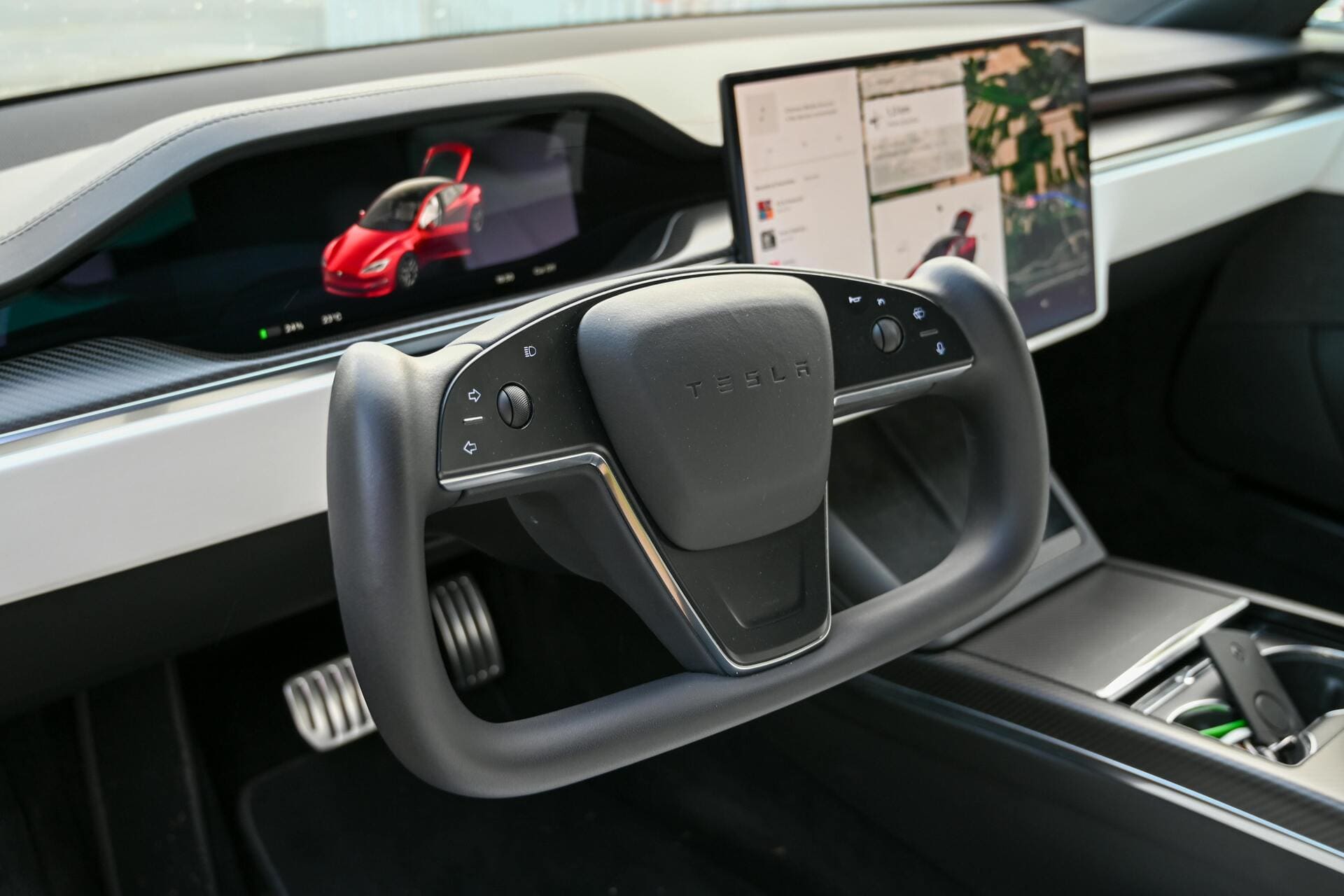
Determining liability in autonomous vehicle crashes often overlaps with traditional negligence issues. Our experienced Texas car accident lawyer will help victims understand how state laws apply when both human error and advanced technology contribute to a collision.
Why Self-Driving Car Accidents Are Different in Texas
Self-driving car accidents create a maze of liability questions that traditional car accident cases don’t face. When a human driver causes an accident, determining fault is usually straightforward.
But when a computer is making split-second decisions, the legal landscape becomes far more complex. Texas has taken a proactive stance on autonomous vehicle regulation. The state passed Senate Bill 2205 in 2017, establishing a framework for testing and deploying autonomous vehicles.
House Bill 3026 further refined these regulations, while the Texas Department of Transportation’s Connected and Autonomous Vehicle Task Force continues to develop comprehensive policies for AV integration.
Unlike some states that have patchwork regulations varying by city or county, Texas maintains uniform statewide oversight of autonomous vehicles. This creates clearer legal pathways for accident victims, but also means cases often involve complex federal and state regulatory issues that require specialized legal expertise.
Hypothetical scenario: A Tesla Model Y operating on Autopilot fails to recognize construction barriers on I-35 near Austin and strikes a highway maintenance vehicle. Multiple parties could share liability—the driver for not maintaining proper attention, Tesla for software failures, the construction company for inadequate signage, and TxDOT for road design issues.
⚖️ Texas provides uniform statewide AV laws, but cases often involve overlapping federal, state, and regulatory issues—making specialized legal guidance essential.
Who Can Be Held Liable in a Texas Self-Driving Car Accident?
- Fail to take control when the system alerts them to do so
- Become distracted while the autonomous system is engaged
- Improperly use the technology — e.g. engaging Autopilot in construction zones
- Disable safety features or override system warnings
- Deploy defective software algorithms that cause incorrect vehicle decisions
- Conduct inadequate safety testing leading to preventable accidents
- Fail to warn users about known system limitations
- Over-market capabilities in ways that mislead consumers
- AI and machine learning companies developing decision-making algorithms
- Sensor manufacturers providing LiDAR, radar, and camera systems
- Mapping companies supplying real-time navigation data
- Semiconductor companies creating processing chips
- Design road infrastructure that confuses AV sensors
- Fail to maintain lane markings and traffic signals adequately
- Provide insufficient oversight of AV testing on public roads
- Fail to update traffic management systems for AV compatibility
Drivers – The Human Element Remains Critical
Even in vehicles with advanced autonomous features, human drivers retain significant responsibility under Texas law. When a driver:
- Fails to take control when the system alerts them to do so
- Becomes distracted while the autonomous system is engaged
- Improperly uses the technology (such as engaging Autopilot in construction zones)
- Disables safety features or overrides system warnings
They can face liability for resulting accidents. Texas follows a modified comparative negligence rule, meaning a driver could be partially at fault even if the technology also failed.
Manufacturers – The Deep Pockets
Major manufacturers like Tesla, General Motors (Cruise), and Waymo face increasing scrutiny over their autonomous systems. These companies can be held liable when:
- Defective software algorithms cause incorrect vehicle decisions
- Inadequate safety testing leads to preventable accidents
- Failure to warn users about system limitations
- Over-marketing capabilities that mislead consumers
The National Highway Traffic Safety Administration (NHTSA) has opened multiple investigations into Tesla’s Autopilot system, creating potential evidence for liability cases.
Software Developers & Suppliers
The autonomous vehicle ecosystem includes numerous technology suppliers:
- AI and machine learning companies are developing decision-making algorithms
- Sensor manufacturers providing LiDAR, radar, and camera systems
- Mapping companies supplying real-time navigation data
- Semiconductor companies are creating processing chips
Each represents a potential defendant in complex product liability cases.
Government & Infrastructure Failures
Sometimes the road itself contributes to autonomous vehicle accidents. Government entities may face liability for:
- Poorly designed road infrastructure that confuses AV sensors
- Inadequate maintenance of lane markings and traffic signals
- Insufficient oversight of AV testing on public roads
- Failure to update traffic management systems for AV compatibility
Common Causes of Self-Driving Car Accidents
Human error remains the leading factor, even in vehicles with advanced automation. The phenomenon of “automation complacency” causes drivers to become overly reliant on technology, reducing their alertness and reaction time when intervention becomes necessary.
| Cause Category | Specific Examples | Liability Factors |
|---|---|---|
| System Malfunctions | Software bugs, sensor failures, processing errors | Manufacturer, software developer |
| Human Error | Distracted driving, failure to intervene, misuse | Driver, potentially the manufacturer for poor design |
| Environmental Challenges | Weather, construction zones, and unmarked roads | Multiple parties possible |
| Cybersecurity Breaches | Hacking, malicious interference | Manufacturer, cybersecurity vendor |
Software malfunctions present particularly challenging liability questions. When Tesla’s Autopilot mistakes a white truck for the sky, or when a Cruise vehicle fails to properly go around emergency vehicles, determining whether this represents a design defect or an unforeseeable edge case requires extensive technical investigation.
Sensor failures involving LiDAR, cameras, and radar systems can have catastrophic consequences. These sophisticated systems can be affected by:
- Weather conditions like heavy rain, snow, or fog
- Lighting issues such as glare or darkness
- Physical obstructions, including dirt, ice, or damage to sensor housings
- Electronic interference from other devices or infrastructure
External conditions continue to challenge even the most advanced autonomous systems. Construction zones pose particular risks, as temporary signage and changing traffic patterns often confuse AV sensors designed for standard road conditions.
⚠️ Automation complacency, software bugs, sensor failures, and even hacking highlight how unpredictable self-driving collisions can be compared to traditional accidents.
Cybersecurity risks represent an emerging threat that few legal frameworks adequately address. As vehicles become increasingly connected, they become potential targets for malicious actors seeking to cause accidents or disable safety systems.
Levels of Automation Explained (0–5)
Knowing automation levels helps clarify liability in accident cases:
- Level 0 – No Automation: Traditional vehicles where the human driver controls all aspects of driving
- Level 1 – Driver Assistance: Features like cruise control or lane-keeping assist, but the driver remains fully engaged
- Level 2 – Partial Automation: Systems like Tesla Autopilot or GM Super Cruise that can control steering and acceleration simultaneously, but require constant human supervision
- Level 3 – Conditional Automation: The vehicle can handle most driving tasks but must alert the driver to take over when needed
- Level 4 – High Automation: The vehicle handles all driving within specific conditions (like highway driving) without human intervention
- Level 5 – Full Automation: Complete autonomy under all conditions—currently theoretical
Most current systems operate at Level 2, despite marketing that might suggest otherwise. This distinction becomes essential in liability determinations, as Level 2 systems require active human supervision, while higher levels shift responsibility increasingly toward the technology.
Tesla’s Autopilot, despite its name, remains a Level 2 system requiring driver attention. When accidents occur, determining whether the driver should have intervened—and whether they had sufficient warning to do so—becomes central to the case.
Common Injuries in Texas Self-Driving Vehicle Accidents
Catastrophic Injuries
Self-driving car accidents often result in severe injuries due to the unique circumstances surrounding these crashes:
- Traumatic Brain Injuries (TBI) occur when autonomous systems fail to brake properly before impact, creating high-speed collisions. The sudden, unexpected nature of AV system failures often means occupants aren’t prepared for impact.
- Spinal cord injuries and paralysis frequently result from the violent forces involved in high-speed autonomous vehicle accidents. These life-altering injuries require extensive medical care and long-term rehabilitation.
Severe Injuries
Multiple fractures and internal organ damage commonly occur when AV systems misinterpret road conditions, leading to collisions with fixed objects or other vehicles.
The complexity of treating injuries from AV accidents often exceeds traditional accident cases, as emergency responders must sometimes deal with damaged vehicle systems that could pose additional risks.
✔️ AV crashes often result in catastrophic injuries like TBIs, paralysis, and wrongful death, requiring long-term care and leading to higher compensation claims.
Moderate Injuries
Even “minor” autonomous vehicle accidents can result in whiplash, soft tissue injuries, and concussions that require extensive treatment and recovery time.
Psychological trauma from AV accidents often proves particularly severe, as victims may develop lasting anxiety about riding in or trusting autonomous vehicles.
Wrongful Death Claims
When autonomous vehicle accidents result in fatalities, surviving family members have rights under Texas wrongful death statutes. These cases often involve multiple defendants and complex liability determinations.
Families who lose a loved one in an autonomous vehicle accident may be entitled to wrongful death damages that cover funeral costs, lost income, and the immeasurable loss of companionship.
If you’ve been injured in a self-driving car accident in West Texas, contact us today for a free consultation.
Compensation Available for Victims in Texas
Autonomous vehicle accident victims may recover compensation for:
- Medical expenses, including emergency treatment, surgery, rehabilitation, and future medical care. AV accident injuries often require specialized treatment that can cost hundreds of thousands of dollars.
- Lost income and diminished earning capacity become particularly significant in AV cases, as victims may develop lasting anxiety about driving or being a passenger in vehicles with advanced technology.
- Property damage in AV accidents often exceeds typical collision damage, as the sophisticated sensor and computer systems in these vehicles are extremely expensive to repair or replace.
- Pain and suffering damages account for the physical discomfort and emotional distress caused by the accident and resulting injuries.
- Wrongful death damages include funeral expenses, loss of companionship, and the deceased person’s lost future earnings.
The average settlement in autonomous vehicle accident cases tends to be significantly higher than traditional car accidents due to the severity of injuries and the involvement of well-funded corporate defendants.
Pedestrian and Cyclist Risks with Autonomous Vehicles
Pedestrians and cyclists face unique dangers from autonomous vehicles that struggle to properly identify and predict the movements of vulnerable road users. The tragic 2018 Uber self-driving car fatality in Arizona, where the vehicle struck and killed a pedestrian, highlighted these risks.
Autonomous vehicles often have difficulty distinguishing between:
- Pedestrians and inanimate objects in complex urban environments
- Cyclists and motorcycles in mixed traffic situations
- Children and adults, when making split-second avoidance decisions
- Jaywalking pedestrians versus those using crosswalks properly
According to the Insurance Institute for Highway Safety, pedestrian fatalities have increased significantly in recent years, and autonomous vehicle technology hasn’t yet proven capable of reversing this trend.
When an AV strikes a pedestrian or cyclist, the liability analysis becomes extremely complex. The vehicle’s sensors should have detected the person, but determining whether a failure to do so represents a defect or an unforeseeable edge case requires extensive technical investigation.
⚠️ AV systems still struggle to accurately detect pedestrians and cyclists, raising the risk of tragic outcomes in Texas cities and rural roads alike.
The Future of Autonomous Big Rigs in Texas
Texas highways serve as testing grounds for autonomous trucking companies developing self-driving 18-wheelers. Companies like TuSimple, Aurora, and Waymo Via are conducting extensive trials on major freight corridors, including I-35, I-10, and I-20.
The stakes in autonomous big rig accidents are exponentially higher:
- Catastrophic injury potential increases dramatically with 80,000-pound vehicles
- Commercial liability often involves multiple layers of insurance coverage
- Cargo considerations may create additional environmental or safety hazards
- Federal regulations add complexity through FMCSA oversight requirements
Hypothetical scenario: An autonomous big rig’s sensor system fails to detect black ice on I-20 near Midland, causing the vehicle to jackknife and strike multiple passenger cars.
Potential defendants could include the trucking company, the AV technology provider, the sensor manufacturer, the maintenance contractor responsible for ice detection systems, and even TxDOT for inadequate weather monitoring.
With over 150 years combined experience in complex trucking cases, we’re positioned to tackle the intersection of traditional commercial vehicle law and emerging autonomous vehicle technology.
The risks of self-driving 18-wheelers add another layer of danger to Texas highways. With decades of experience in truck accident cases, our attorneys know how to take on powerful trucking companies and technology providers after catastrophic crashes
How Our Texas Self-Driving Car Accident Lawyers Can Help
Investigating the Accident
Preserving critical evidence becomes paramount in AV accident cases. Unlike traditional accidents, where skid marks and witness statements suffice, autonomous vehicle crashes require:
- Black box data recovery from vehicle event data recorders
- Mobile device analysis to determine driver attention levels
- System log examination reveals software decision-making processes
- Sensor data retrieval showing what the vehicle “saw” before the crash
Time is critical—this electronic evidence can be automatically overwritten or remotely deleted by manufacturers seeking to limit liability exposure.
💡 Black box data, sensor logs, and software records must be preserved quickly. Our team works with experts to translate complex AV failures into courtroom evidence.
Working with Experts
Our legal team collaborates with leading experts in:
- Automotive engineering to analyze mechanical system failures
- Software engineering to examine algorithm decision-making processes
- Human factors psychology to assess driver behavior and automation complacency
- Accident reconstruction specialists familiar with AV technology
These experts help translate complex technical issues into understandable terms for judges and juries.
Fighting Powerful Corporations
Taking on tech giants requires substantial resources and specialized knowledge. Companies like Tesla, Waymo, and Amazon-backed Zoox employ armies of attorneys and technical experts to defend against liability claims.
Our West Texas Tough™ approach means we’re prepared for these David-versus-Goliath battles. We’ve successfully handled cases against major corporations and understand the tactics they use to minimize liability exposure.
Maximizing Compensation
Trial readiness remains essential, as these companies often assume smaller firms will settle cheaply rather than invest in expensive technical litigation.
Why Choose Our Texas Law Firm?
- Local Texas knowledge of autonomous vehicle laws and regulations gives us advantages over out-of-state firms trying to handle these cases remotely. We understand how Texas courts approach emerging technology issues and have relationships with local experts.
- Over 500 jury trials and 150 years of combined experience handling complex personal injury cases provides the foundation needed for AV accident litigation. While the technology is new, the principles of negligence law and product liability remain consistent.
- The contingency fee structure means you pay nothing unless we recover compensation for your injuries. We handle all case expenses and only get paid when you do.
Contact Our Texas Self-Driving Car Accident Lawyers Today
The manufacturer may already have the data. The question is whether it will still exist when you need it.
After a self-driving crash, software can be updated, system logs can be overwritten, and sensor data can disappear. Keith & Lorfing moves quickly to identify who controls that evidence and demand that it be preserved.
We examine what the vehicle detected, how the system responded, whether the driver received a warning, and which company may be responsible for the failure.
Call Russell Lorfing at (325) 480-8100 for a free case review. There are no upfront legal fees, and you owe us nothing unless we recover compensation for you.
Call Russell Lorfing at (325) 480-8100 for a free case review. We’ll evaluate your situation, explain your legal options, and help you understand the unique challenges and opportunities in your autonomous vehicle accident case during our free consultation.
FAQs
Who is at fault in a Texas self-driving car accident?
Fault determination in self-driving car accidents often involves multiple parties. Potential defendants include the human driver (for failing to maintain attention or properly use the system), the vehicle manufacturer (for defective software or hardware), component suppliers (for sensor or system failures), and sometimes government entities (for infrastructure issues). Texas follows modified comparative negligence, meaning multiple parties can share fault percentages.
Are Tesla and other manufacturers liable for Autopilot crashes?
Manufacturers like Tesla can face liability when their autonomous systems fail due to design defects, inadequate testing, insufficient user warnings, or over-marketing of capabilities. However, proving manufacturer liability requires extensive technical investigation and expert testimony. The key is demonstrating that the system failed to perform as a reasonable consumer would expect under the circumstances.
Can I sue if I was a pedestrian hit by an autonomous vehicle?
Yes, pedestrians struck by autonomous vehicles may have claims against the vehicle manufacturer, the human driver/operator, and potentially other parties depending on the circumstances. These cases often involve complex questions about whether the AV system should have detected and avoided the pedestrian collision.
What compensation can I recover in a self-driving car accident case?
Compensation may include medical expenses (current and future), lost wages and earning capacity, property damage, pain and suffering, and, in wrongful death cases, funeral expenses and loss of companionship. AV accident cases often involve complex liability determinations due to the severity of injuries and involvement of multiple parties.
How long do I have to file a lawsuit in Texas after a self-driving accident?
Texas has a two-year statute of limitations for personal injury claims, including self-driving car accidents. However, the discovery process for AV accidents can be lengthy and complex, so it’s essential to begin the legal process as soon as possible to preserve evidence and meet all deadlines. Some exceptions may apply depending on specific circumstances.
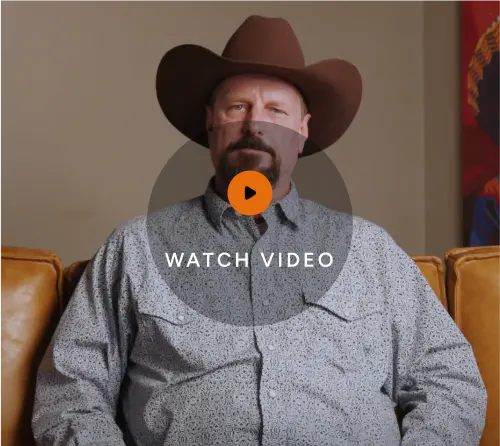
"Delivered an incredible victory!"
The relief was extraordinary! We will never be able to express our gratitude enough.
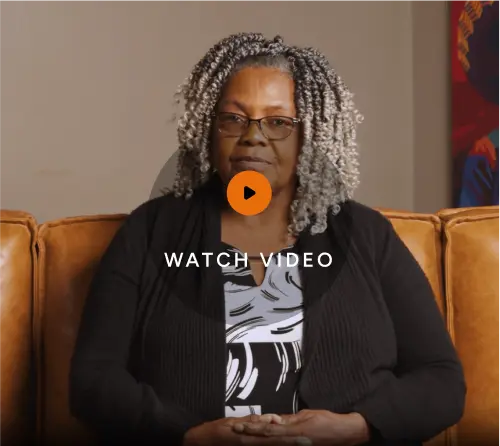
"Great, honest, and incredibly knowledgeable."
Russell is a top-notch person. Hands down will recommend him to anybody.
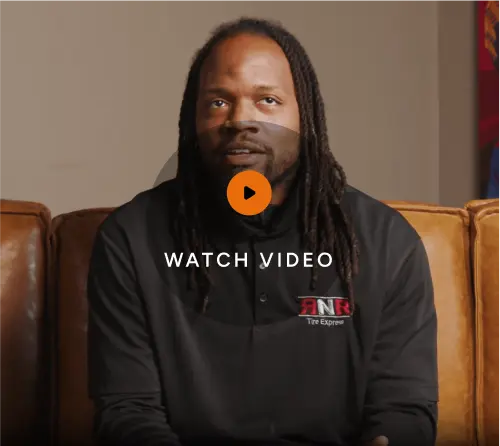
"Absolutely an amazing man, and an honest one at that."
This was absolutely the best defense experience I have ever had with an attorney.
The Best
In the West
Our every action is driven by a deep-seated commitment to fighting for hardworking Texans. Each client we represent and every case we undertake reflects our dedication to ensuring fairness and justice.
Our roots run deep in West Texas. Many of our attorneys hail from modest backgrounds, with family histories steeped in professions like farming, mechanics, labor, firefighting, and military service. These humble beginnings instilled in us the value of hard work, a principle we uphold daily.
We consciously choose to stand with the everyday people rather than corporations or the elite. Our focus is on representing dedicated, family-oriented Texans who aspire to provide a better future for their children. This often means challenging big insurance companies that attempt to undercut rightful claims. 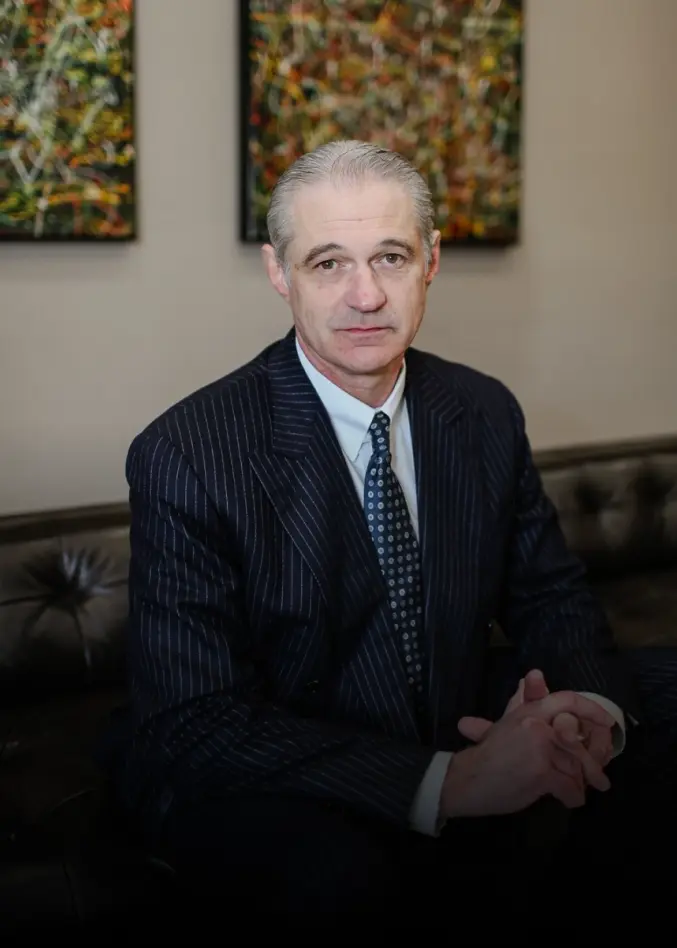
Trey Keith
Attorney Meet Trey
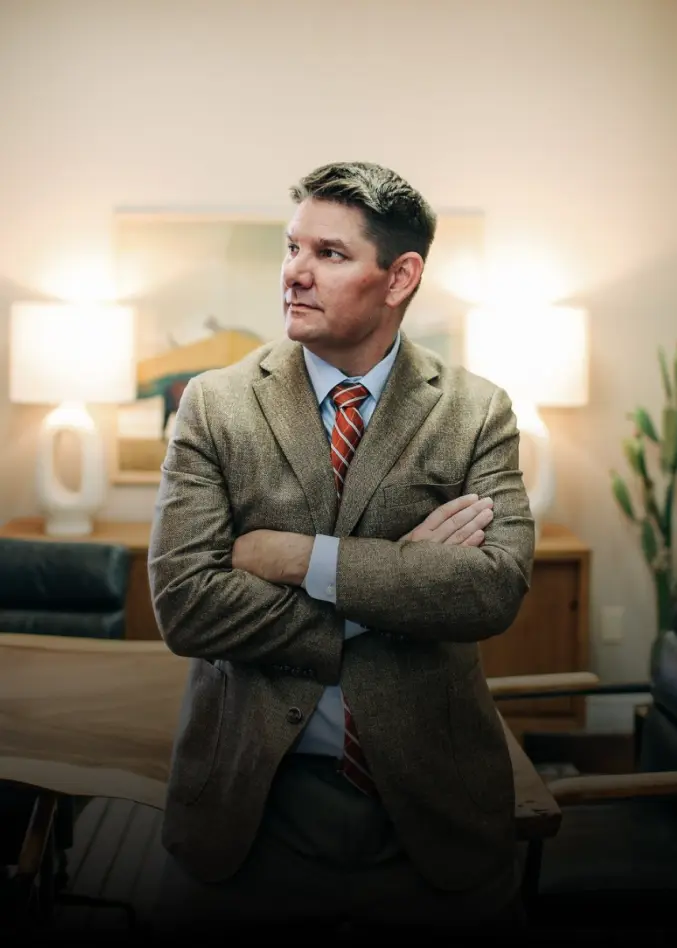
Russell Lorfing
Attorney Meet Russell
&
3 Things you’ll get With Keith & Lorfing
A Lawyer Will Answer Your Calls & Emails
You’ll Be Informed About Your Case Every Step of the Way
You’ll Be Treated With Compassion & Respect
Ask Russell a Question
At No Cost To You!
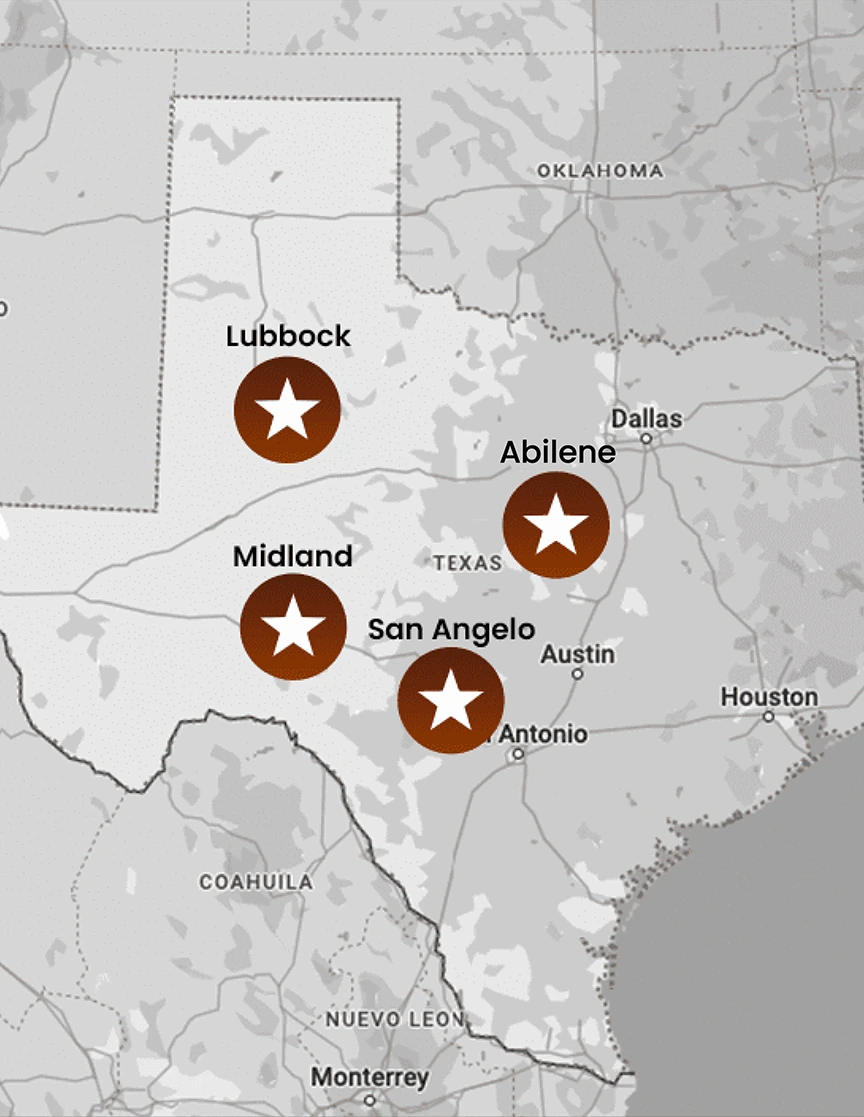
We’re committed to being the best in the West! Proudly serving clients throughout Abilene, Lubbock, San Angelo, Midland & all of West Texas.