A few days after a serious wreck, the phone rings. It’s an insurance adjuster, and the voice on the other end sounds calm and reassuring. There’s an offer on the table, and it feels like a relief while the medical bills pile up and your vehicle sits totaled in the driveway.
Plenty of people take that offer and sign. Then a few weeks later the pain hasn’t faded, or they find out the insurance company left out something important, and they come to us with one question. Can I still sue after settling?
In Texas, the answer is usually no. Once you sign a release, the law treats that decision as final, and the check matters far less than the paperwork that came with it.
We’ve reviewed hundreds of these settlements for West Texas families, including people who need help from a Lubbock Car Accident Lawyer after a serious crash. Before you sign anything, it’s worth knowing what that paperwork really does, and the narrow situations where it can still be challenged.
Why the offer comes so fast
Insurance companies can move quickly when speed works in their favor, and an early settlement usually does. An adjuster often reaches out before you’ve seen every doctor, before the full injury has shown itself, and before you have any real sense of what your recovery will cost over time.
That timing is deliberate. A fast settlement closes the file while the injury still looks minor, and by the time it turns out to be serious, the agreement is already signed.
After a crash, an offer can arrive within days, long before you know whether you’re dealing with a sprain or a spinal injury. Speaking with a Lubbock Car Accident Lawyer before signing can help protect your claim.
What you’re really signing
The check is only part of the deal. The document that comes with it is usually called a release of all claims, or a full and final release, and it carries far more weight than the payment does.
When you sign it, you give up the right to bring any future claim connected to that accident. That includes not only the bills you have today, but anything that develops later.
The language is dense, so the table below puts it in plain terms.
Look closely at that first line. The word “unknown” covers the surgery you don’t yet know you need. You are signing a prediction about your own recovery, and the insurance company is betting it knows your future better than you do.
This is why we tell every client the same thing. Have a lawyer read the release before you sign it, because once your name is on the page, your options shrink quickly.
Why a signed release is so hard to undo in Texas
Many people assume there’s a grace period or a chance to reconsider. In a personal injury settlement, there usually isn’t one.
Texas courts treat a settlement like any other contract you signed willingly. A judge generally won’t undo it simply because the injury turned out worse than expected, or because you needed more treatment than you planned for.
Under Texas law, settling a claim includes accepting the risk that your injuries are more serious than they first appeared. That risk passes to you the moment you sign, and insurers understand this well.
So when an adjuster encourages you to wrap things up quickly, it’s worth pausing. The urgency almost always serves the insurance company, not the injured person.
If you’re being pushed to sign right away, call us before you do. A free conversation at (325) 225-0143 can prevent a decision you cannot reverse.
The few situations that can break a release
A signed release almost always holds. There are a handful of exceptions, though, and each one requires real evidence rather than regret.
When the insurer hid the truth
If the insurance company or the at-fault party concealed or misrepresented a fact that mattered, the release may be challenged. Imagine settling for a small amount because no one told you the other driver was in a company truck backed by a much larger policy.
Fraud is difficult to prove. You have to show that the misrepresentation was real, that it was intentional, and that you would not have signed had you known the truth.
When you were forced to sign
A release signed under genuine duress can be set aside. In legal terms, duress means wrongful threats, intimidation, or pressure that left you no reasonable choice.
Financial stress on its own usually doesn’t meet that standard. If someone crossed into threats or manipulation, though, how the release was signed becomes worth examining with a lawyer.
When both sides got a key fact wrong
If everyone involved, not only you, was mistaken about a basic fact when the deal was made, a court may reconsider it. These cases are rare in Texas.
Being wrong about how much an injury is worth doesn’t qualify. Being wrong about what actually happened sometimes can.
When the release left out someone who hurt you
This exception is the one most people overlook, and it can be the most important. A release only binds the parties it actually names.
If more than one person or company caused your accident and you settled with just one of them, the others may still be liable. You might settle with the driver while the trucking company that put him on the road untrained never signed anything. Or you settle with a property owner, while the contractor who created the hazard was a separate business altogether.
Reading who is named in the release, and who quietly isn’t, can preserve a claim you didn’t realize you still had.
When the other side breaks the deal
If the insurer or defendant fails to pay what they agreed to, or violates a term of the settlement itself, you may be able to enforce the contract. That’s a breach of contract claim rather than a reopening of your injury case, but it still gives you a path forward.
These exceptions are narrow, and insurers count on people assuming none of them apply. Before you decide your case is finished, let our personal injury team review it. You can reach us at (325) 225-0143.
When injuries get worse after a settlement
This is one of the most common situations we see. The whiplash becomes a herniated disc, or the headaches turn into something with a diagnosis, and the settlement that felt fair now looks far too small against new medical bills.
In Texas, once you’ve signed a full release, worsening injuries almost never reopen the case. Courts have repeatedly enforced “known or unknown” language, which is written to cover injuries that hadn’t appeared yet.
The strongest protection is time. A good lawyer will advise you to wait until you reach maximum medical improvement, the point at which your doctor confirms your condition has stabilized, before agreeing to a final figure.
If your injuries are worse now than the day you signed, or worse than the day the adjuster first called, talk to us before you accept anything. We handle car accident and truck accident claims throughout West Texas, and you can reach us at (325) 225-0143.
What to do if you were misled into signing
This is the one situation where acting quickly works in your favor rather than the insurer’s.
If you have a real reason to believe you were misled into settling, meaning the other side actively hid or misrepresented something rather than simply offering too little, take these steps in order.
- Stop communicating with them. Avoid any further calls or emails with the insurer or their attorneys until you have your own.
- Write down everything. Record what was said, what was promised, what you learned later, and when.
- Call a lawyer promptly. Texas allows four years to bring a fraud claim, but evidence has a way of disappearing.
- Expect an honest assessment. Fraud is hard to prove, and we will tell you plainly whether the evidence supports it.
The four-year window comes from Chapter 16 of the Texas Civil Practice and Remedies Code. It’s also worth knowing that the Texas Department of Insurance states plainly that you have the right to reject any settlement offer you believe is unfair, something an adjuster is unlikely to point out.
While you weigh your options, keep the deadlines in mind.
Deadlines and accrual dates can shift from one case to the next, so don’t guess on a wrongful death or injury claim. Call (325) 225-0143 and we will help you confirm where you stand.
Talk to us before you sign
We do this work because we come from the same places our clients do. Many of us grew up in working families across West Texas, and we know what a serious injury or a lowball settlement can do to a household.
Russell Lorfing served as a federal prosecutor in Lubbock before building this practice, and our attorneys have tried more than 500 cases between them. That courtroom experience means we know how insurance companies and their lawyers operate, and we know when an offer falls short of what a case is worth.
If you’ve already signed and something feels wrong, bring it to us and we will give you an honest answer rather than the one you might be hoping for. If you haven’t signed yet, please talk to us first. That one phone call is the least expensive protection you will find.
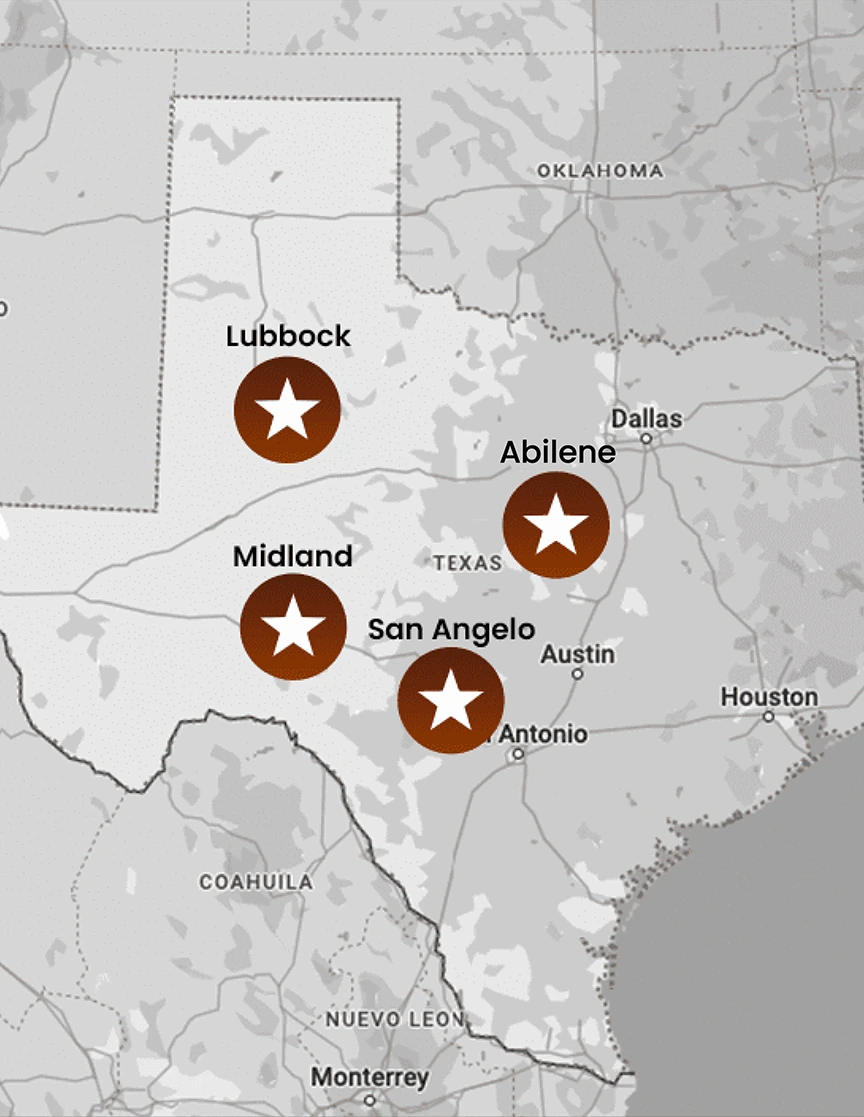
We work on a contingency basis, so there are no fees unless we win, and the consultation is free. We’re proud to represent people in Abilene, Lubbock, Midland, San Angelo, and across West Texas.
Call (325) 225-0143 or tell us what happened online. The sooner we hear from you, the more we can do.
This article provides general legal information for Texas residents and is not legal advice. The facts of your situation determine your options, and laws can change. For advice about your own case, speak with a licensed Texas attorney.
Frequently asked questions
What if my injuries got worse after I settled?
In most Texas cases, worsening injuries won’t reopen a settled claim. If your release included “known or unknown” language, and nearly all of them do, you accepted that risk when you signed. It’s the best reason to avoid settling before you reach maximum medical improvement.
Can I sue someone other than the person I settled with?
Possibly. A release only binds the parties it names, so anyone left off it may still be open to a claim, as long as the deadline hasn’t passed. Whether that person or company is actually liable is a separate question worth raising with a lawyer.
What if I was pressured to sign quickly?
Feeling rushed is common, and on its own it usually doesn’t rise to legal duress. If the pressure involved threats or manipulation, tell an attorney how it happened, and do it soon before the details fade.
Does signing a medical authorization mean I settled my case?
No. A medical records form, or even an early payment toward a bill, doesn’t end your claim. The document that ends it is the release of all claims, so read anything before you sign and let a lawyer review it.
How do I know if my release covers everyone responsible?
Find the section listing the “released parties” and read exactly who is named. If you are unsure, this is one of the most valuable things a lawyer can check before you sign, because disputing what a release covers after the fact is an uphill fight.