Slip and fall cases sound simple. They are not. Texas law places a real burden on the injured person to prove that the property owner knew or should have known about the dangerous condition. That extra evidentiary hurdle, plus surveillance issues and aggressive insurance defense, is why slip and fall cases often take longer than people expect.
If you fell on someone else’s property and were hurt, you deserve a clear timeline. Below is what you can expect from start to finish, what factors push timelines longer or shorter, and what you can do to help your case move.
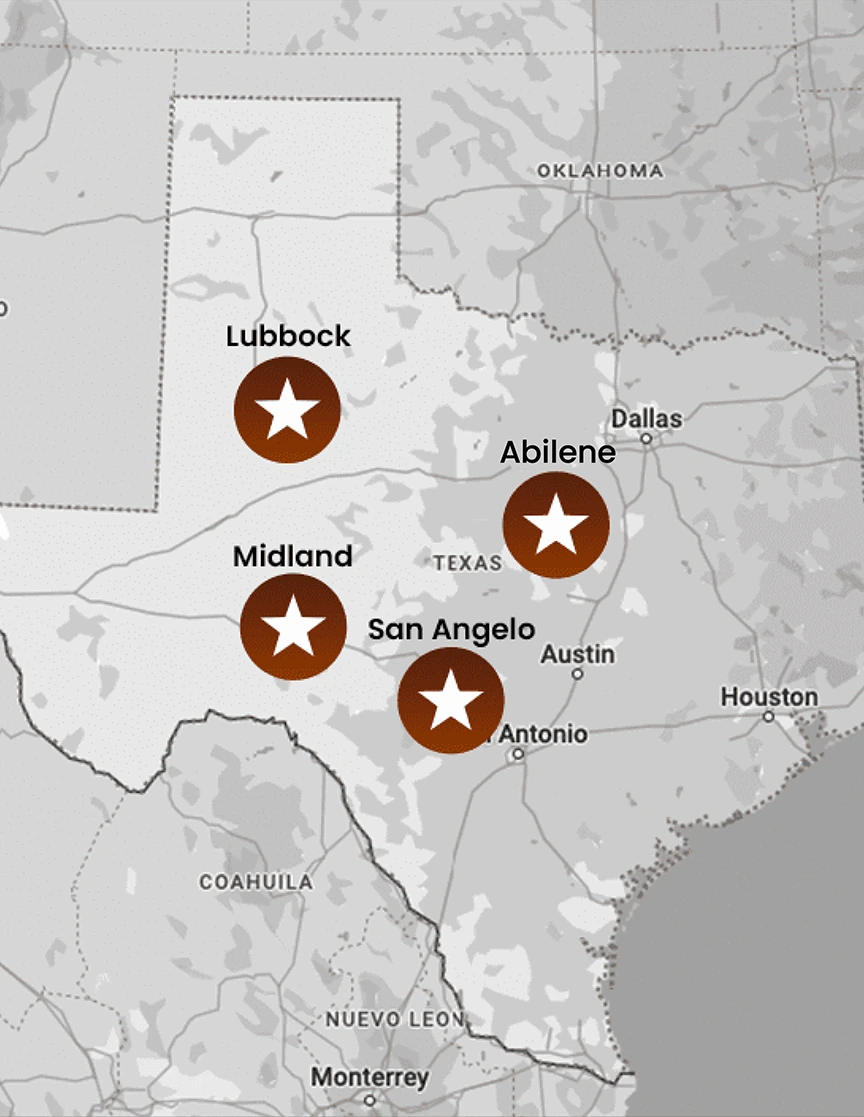
At Keith & Lorfing, our Abilene Slip and Fall attorneys handle premises liability cases throughout the region. The information below explains how Texas slip and fall timelines work in practice.
The Short Answer
Most Texas slip and fall cases that settle take between 6 and 18 months from the date the attorney is hired to the date the settlement is paid. Cases that go to trial often take 2 to 4 years.
Several factors push that range. Cases with severe injuries, contested liability, or large defendants tend to fall on the longer end. Cases with clear liability and a willing insurer can resolve in under a year.
Why Slip and Fall Cases Take Time
A few features of Texas premises liability law shape the timeline.
The “actual or constructive knowledge” rule. In a typical slip and fall against a business invitee, the plaintiff must prove the property owner knew or should have known about the dangerous condition. That requires evidence that the hazard existed long enough to be discovered, that the owner created the hazard, or that prior similar incidents put the owner on notice.
Surveillance video has a short retention window. Most retailers keep surveillance video for 30 to 90 days. Without a fast preservation letter, the most important evidence in the case can disappear.
Comparative fault arguments. Insurers routinely argue the injured person was not paying attention, was wearing improper shoes, or otherwise contributed to the fall. Texas’s modified comparative fault rule reduces recovery proportionally and bars recovery if the injured person is more than 50 percent at fault.
Medical treatment timing. Many slip and fall injuries (back, neck, knee, shoulder) follow long treatment arcs that include conservative care, imaging, possibly injections, and possibly surgery. Cases generally cannot settle accurately until treatment has plateaued.
Insurance defense strategies. Big-box stores and large property owners often run defensive playbooks designed to slow cases and create gaps in evidence.
Phase 1: Investigation and Evidence Preservation (1-3 Months)
The first phase is the most time-sensitive.
Incident report. A copy of the store’s incident report, when one exists, is requested.
Surveillance preservation letter. A formal letter is sent demanding preservation of all video footage from the area where the fall occurred, ideally including footage before and after the incident.
Witness identification. Names, contact information, and statements are gathered while memories are fresh.
Scene investigation. Photographs of the location, lighting, signage, floor conditions, and any warning placement.
Records request. Cleaning logs, inspection records, prior incident reports, employee schedules, and maintenance records.
Initial medical treatment. Emergency care, primary care follow-up, and any specialist referrals begin.
This phase typically takes one to three months. Acting fast in this phase often determines whether there is a case at all.
Phase 2: Medical Treatment and Documentation (3-12 Months)
The strongest cases are valued only after medical treatment plateaus.
Common treatment paths include:
- Conservative care (rest, anti-inflammatories, physical therapy)
- Imaging (X-ray, MRI, CT)
- Specialist evaluation (orthopedic, neurological, pain management)
- Injections (epidural steroid, joint, trigger point)
- Surgical evaluation
- Surgery if conservative treatment fails
- Post-surgical rehabilitation
Trying to settle before treatment is complete almost always shortchanges the injured person. Once a release is signed, future medical needs caused by the same fall are no longer compensable.
The medical phase often runs in parallel with investigation and pre-suit work, but it controls when settlement readiness is reached.
Phase 3: Demand Package and Pre-Suit Negotiation (1-3 Months)
When treatment plateaus or reaches a meaningful evaluation point, the case is presented to the insurer.
Demand package. A detailed letter and exhibit set explaining the fall, liability, medical history, treatment, damages, and total demand.
Insurer evaluation. Adjusters typically need 30 to 60 days to review and respond.
Negotiation. Several rounds of offers and counteroffers may follow.
Many slip and fall cases settle at this stage when liability is clear, treatment is well-documented, and the insurer wants to avoid litigation costs. Cases that do not resolve in this phase move to suit.
Phase 4: Filing the Lawsuit and Discovery (6-12 Months)
If pre-suit negotiation does not produce a fair offer, suit is filed.
Petition. Filed in district or county court depending on the amount in controversy.
Defendants’ answers. Defendants typically have until the Monday following the expiration of 20 days after service to file an answer in Texas state court.
Written discovery. Interrogatories, requests for production, and requests for admission are exchanged.
Document discovery. Cleaning logs, training materials, prior incident records, video, and policies.
Depositions. The plaintiff, store employees, managers, witnesses, and treating physicians.
Expert disclosures. Premises safety experts, treating physicians, vocational experts, and economists may be involved depending on the severity of the case.
Discovery typically runs six to twelve months. Larger commercial defendants sometimes drag this phase out as a defense strategy.
Phase 5: Mediation and Settlement (1-3 Months)
Most cases that go to suit settle at or near mediation.
Pre-mediation demand. A comprehensive settlement package summarizes the case for the mediator and the defense.
Mediation. A neutral mediator hosts a structured negotiation, usually a half day or full day.
Post-mediation discussions. Cases that do not settle on the day often settle within weeks afterward.
Mediation is the single most effective tool for resolving Texas premises liability cases short of trial.
Phase 6: Trial and Appeal (When Needed)
If a settlement cannot be reached, the case goes to trial.
Pre-trial motions. Summary judgment motions in slip and fall cases are common. Texas defendants often argue there is no evidence of actual or constructive knowledge.
Trial. A typical slip and fall trial runs three to seven days.
Verdict. If liability is found, the jury also assigns comparative fault percentages.
Post-trial motions and appeal. Either side can challenge the verdict. Appeals can add one to two years.
The credible threat of trial is what drives settlements. Firms unwilling to try a case rarely produce full-value settlements.
Phase 7: Settlement Funding and Distribution (1-2 Months)
Once a settlement is reached, the case is not over.
Documentation. Settlement agreements and releases are drafted, reviewed, and signed.
Lien resolution. Health insurance, Medicare, Medicaid, and ERISA liens must be identified, audited, and negotiated.
Distribution. Once liens clear, a settlement statement is prepared and the net amount is distributed.
Court approval (when required). Cases involving minors or incapacitated adults require court approval.
This phase typically takes 30 to 60 days. Cases with Medicare or complex liens can take longer.
Factors That Make Slip and Fall Cases Take Longer
Several specific factors extend timelines.
- Severe injuries. Surgical or chronic-pain cases require longer treatment plateaus.
- Disputed liability. Cases where the hazard’s notice timeline is unclear take longer.
- Lost or destroyed surveillance video. Forces reliance on other evidence and slows resolution.
- Multiple defendants. Property owners, tenants, cleaning contractors, and maintenance companies each have their own insurers.
- Government property. Claims against cities, counties, or state-owned property face shorter notice deadlines and statutory caps under the Texas Tort Claims Act.
- Big-box defendants. Major retailers tend to litigate aggressively.
- Court congestion. Major Texas county dockets push trial settings out by a year or more.
Factors That Can Shorten the Timeline
Some factors compress the schedule.
- Clear liability with preserved video. When the video shows a hazard that was visible for 20 minutes before the fall, insurers tend to negotiate sooner.
- Limited insurance coverage. Smaller policy limits sometimes drive early settlement to avoid bad-faith exposure.
- Quick treatment plateau. Less severe injuries reach full evaluation faster.
- Cooperative defense counsel. Some firms work efficiently.
Texas Statute of Limitations for Slip and Fall Cases
Texas generally requires premises liability claims to be filed within two years of the date of the fall.
Important exceptions include:
- Government property. Claims against governmental entities under the Texas Tort Claims Act often require formal notice within six months or even less.
- Minor plaintiffs. The deadline is generally tolled until the minor turns 18.
- Incapacitated plaintiffs. Limited tolling may apply.
Missing a deadline almost always ends the case. Speaking with an attorney early protects your rights.
What You Can Do to Help Your Case Move
A few habits help cases move faster.
- Report the fall before leaving the property. Ask for an incident report.
- Photograph the hazard and surrounding area. Same-day photos are powerful evidence.
- Get medical care immediately. Gaps in treatment are routinely used by defense.
- Save your shoes and clothing. Same shoes, same clothes, in the same condition as the day of the fall.
- Stay off social media. Posts and photos are routinely used out of context by defense investigators.
- Avoid recorded statements to insurers. Wait until you have legal representation.
- Stay in contact with your attorney. Respond promptly to records requests and questions.
Surveillance video can be overwritten in 30 days. If you fell on someone else’s property in West Texas, call our attorneys at (325) 480-8100 or contact our Abilene Slip and Fall lawyers for a free consultation. We work on contingency, so you pay nothing unless we recover for you.
Frequently Asked Questions
Why does my slip and fall case take longer than my friend’s car accident case?
Premises liability requires proof of “actual or constructive knowledge” of the hazard, which often requires surveillance, cleaning logs, and prior incident records. Car accident liability is typically simpler.
Will the store’s insurance pay my medical bills as I treat?
Some commercial policies include limited “med-pay” coverage that pays small amounts upfront without admitting liability. Your attorney can ask. Most major treatment is paid through your own health insurance, treatment liens, or letters of protection.
Should I accept the store’s quick settlement offer?
Almost never. Early offers are designed to close the case before the full extent of the injury is known. Once you sign a release, the case is over.
What if the property owner blames me for the fall?
You can still recover as long as your share of fault is 50 percent or less under Texas law. Your damages are reduced by your percentage of fault.
What if I fell at work?
Workers’ compensation may apply, with separate rules and timelines. A premises liability case against a non-employer (such as a third-party contractor or property owner) may also be possible.