What Is a Psychosexual Evaluation?
A psychosexual evaluation is a forensic psychological assessment focused specifically on sexual behavior, attitudes, and risk factors. Unlike regular therapy, this is not a confidential conversation—it’s an investigation ordered by the court to inform legal decisions about your case.
These evaluations are typically ordered by:
- Judges as part of pre-sentencing procedures
- Prosecutors during plea negotiations
- Probation departments as a condition of community supervision
- Parole boards when considering release
The evaluation is conducted by a mental health professional with specialized training in forensic assessments and sexual behavior analysis. In Texas, these professionals must be Licensed Sex Offender Treatment Providers (LSOTPs) certified by the Council on Sex Offender Treatment, which sets standards for sex offender assessment and treatment in Texas.
📋 Who Conducts These Evaluations?
Texas law requires that psychosexual evaluations be conducted by Licensed Sex Offender Treatment Providers (LSOTPs)—mental health professionals who hold underlying licenses as psychologists, counselors, social workers, or other mental health practitioners, plus specialized certification in sex offender assessment and treatment. They operate as court-appointed experts, not your therapist or advocate.
Why Courts Order Psychosexual Evaluations in Texas
Texas courts use these evaluations to assess risk of reoffending, identify treatment needs, guide sentencing decisions, and determine probation eligibility.
Results from your evaluation can dramatically impact:
- Whether you receive jail time or probation
- The length of any sentence imposed
- Sex offender registration requirements and duration
- Conditions of community supervision, including treatment mandates
- Access to rehabilitation programs
If you are facing charges, speaking with an experienced Lubbock sex crimes lawyer is critical before participating in any evaluation.
What Happens During a Psychosexual Evaluation?
These assessments typically involve multiple components conducted over several hours or multiple sessions.
Clinical Interview
The evaluator will conduct an extensive interview covering your entire life history. This isn’t a casual conversation—it’s a structured assessment designed to gather specific information.
Topics typically covered include:
- Detailed personal and family background
- Complete sexual history (including age of sexual onset and patterns)
- Criminal history and prior arrests
- Relationship history and current social support
- Substance use history and any addiction issues
- Mental health background, including prior diagnoses or treatment
⚠️ Critical Point:
Your statements during this interview are NOT confidential like traditional therapy. Everything you say can be included in the report submitted to the court, and prosecutors may access this information.
Psychological Testing
Evaluators use standardized tools to measure psychological factors including personality inventories (MMPI-2, PAI), risk assessment instruments (Static-99R, STABLE-2007), cognitive distortion measures, and empathy scales. These tests measure risk factors and psychological patterns correlated with reoffending in research studies—they don’t determine guilt or innocence.
Polygraph Examination (If Required)
Some evaluations include polygraph testing covering sexual history, the current offense, and unreported behaviors.
Important:
Never agree to polygraph examination without first consulting your defense attorney. Results can influence the evaluator’s overall risk assessment and recommendations.
Written Report
The evaluator prepares a comprehensive report including diagnostic impressions, risk level assessment (low, moderate, or high), analysis of risk factors, treatment recommendations, and supervision recommendations. Judges rely heavily on this report when making sentencing decisions.
How a Psychosexual Evaluation Can Affect Your Case
Impact on Sentencing
A risk assessment rating of “low” with positive treatment amenability can mean the difference between probation and incarceration. Conversely, “high risk” findings can result in harsher sentences. The evaluation becomes part of the permanent court record.
Impact on Plea Bargaining
Prosecutors frequently require evaluations before offering plea agreements. Positive results can open the door to more favorable offers, while high-risk findings strengthen the prosecution’s position. Your defense attorney may advise on strategic timing based on your circumstances.
Impact on Probation Conditions
If you receive probation, the evaluation’s recommendations become the blueprint for your supervision. Common requirements include mandatory sex offender treatment (12-24+ months), GPS electronic monitoring, internet and computer restrictions, contact restrictions affecting family relationships, and intensive supervision with frequent check-ins.
Long-Term Consequences
Evaluation findings can follow you for years, influencing registration duration and tier level, employment prospects, housing options, custody evaluations in family court, and professional licensing decisions.
Common Mistakes Defendants Make
Avoid these critical errors:
- Speaking without legal preparation – Missing crucial strategic guidance
- Minimizing or exaggerating facts – Backfires when compared against official reports
- Failing to understand questions – Leads to damaging responses
- Agreeing to polygraph without counsel – Carries risks requiring legal evaluation
- Treating it like therapy – This is forensic evaluation, not confidential treatment
Strategic preparation means answering accurately without providing unnecessary details that could be misconstrued.
How to Prepare for a Court-Ordered Psychosexual Evaluation
Speak with Your Defense Attorney First:
Discuss the process with your lawyer before attending. They can explain what to expect and help you understand the evaluation’s role in your case.
Understand the Purpose:
This assessment serves the court’s interests, not yours. The evaluator gathers information to inform legal decisions, not provide therapeutic support.
Review Your Case Facts Carefully:
Refresh your memory about dates, events, and details. Inconsistencies between your statements and documented facts raise red flags.
Answer Truthfully but Carefully:
Provide honest responses to direct questions without volunteering additional information. Ask for clarification if a question is unclear.
Take Your Time:
You’re not required to rush through responses. Pause to collect your thoughts before answering difficult questions.
Do You Have the Right to Refuse a Psychosexual Evaluation in Texas?
Legally, you can refuse, but consequences can be severe. If ordered as a condition of bond, refusal may result in bond revocation and pretrial detention.
If ordered as part of sentencing, refusal can eliminate probation as an option, result in harsher sentences, lead judges to draw negative inferences, and prevent access to treatment programs.
In some cases, strategic refusal makes sense, particularly if timing disadvantages your defense. However, this decision requires careful analysis with your attorney. Never make this choice without consulting experienced legal counsel.
Why You Should Speak to a Texas Criminal Defense Attorney First
Psychosexual evaluations are high-stakes forensic investigations that can determine your freedom. At Keith & Lorfing, our attorneys bring over 75 years of combined experience and more than 500 jury trials to your defense.
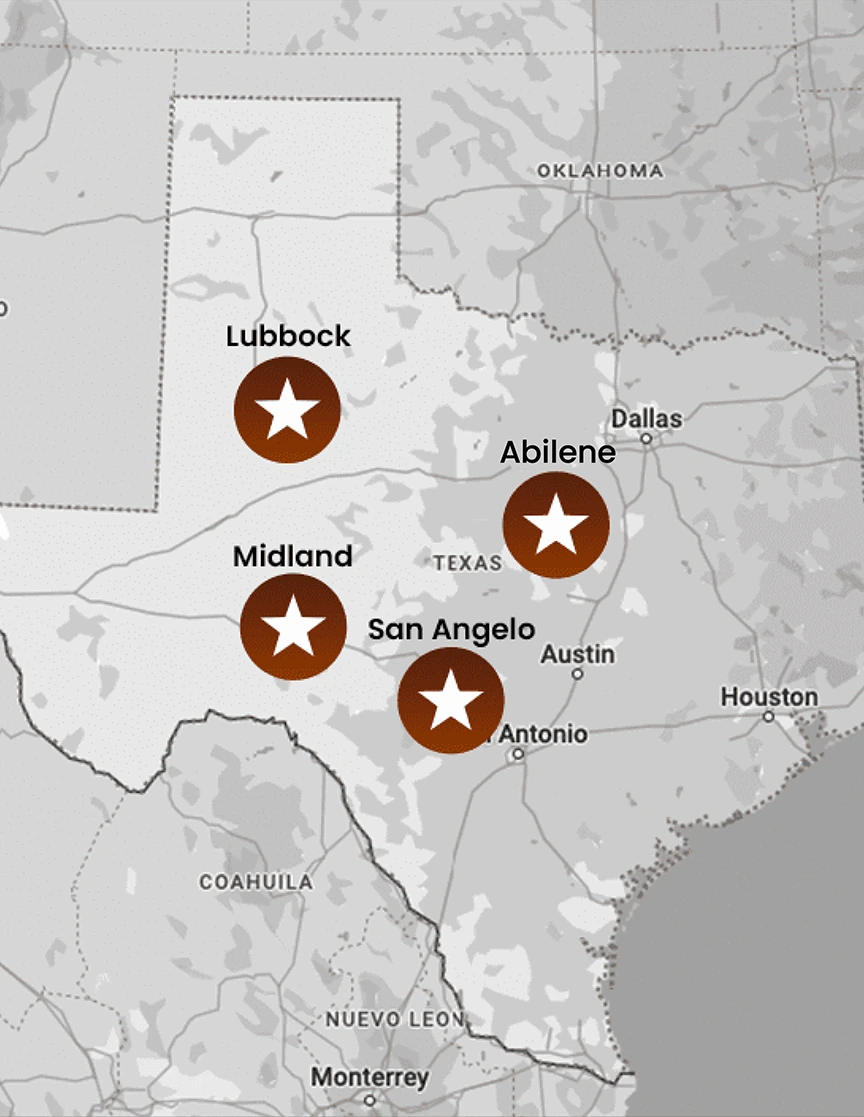
Our West Texas roots run deep. Managing partner Russell Lorfing served as a federal prosecutor in Lubbock, giving him insider knowledge of how the prosecution approaches these cases. Our team knows the courts, judges, and system throughout West Texas—from Abilene to Midland to San Angelo.
If you have been ordered to undergo a psychosexual evaluation, do not attend without first consulting an experienced defense attorney. Call us at 325-480-8100 to protect your rights and your future.
Protect Yourself Before Your Evaluation – Contact Keith & Lorfing Today
Facing a psychosexual evaluation is stressful, but you don’t have to navigate it alone. The decisions you make now will affect your case for years.
Our West Texas Tough™ approach means we fight for you at every stage. We’ve defended hundreds of clients facing sex crime charges across Lubbock, Abilene, Midland, and San Angelo.
Schedule a confidential consultation today by calling 325-480-8100.
Our team is ready to provide legal guidance and develop a strategic plan tailored to your case. Time matters—contact us before your evaluation.
Frequently Asked Questions About Psychosexual Evaluations in Texas
How Long Does a Psychosexual Evaluation Take?
Evaluations typically require 3-6 hours of assessment time, often divided across multiple sessions. Complex cases may take longer. Written reports usually take 2-4 weeks to complete.
Is a Psychosexual Evaluation Confidential?
No. The evaluator shares results directly with the court, and the report becomes part of your case file. Prosecutors, judges, and probation officers all access this information. Statements made during the evaluation can be used in legal proceedings.
Can a Psychosexual Evaluation Help My Case?
Yes, when findings indicate low risk or strong treatment amenability. Positive evaluations can support probation recommendations, reduce sentences, or qualify you for specialized programs.
What If I Disagree With the Evaluator’s Findings?
Your defense attorney can challenge the methodology, question the evaluator’s qualifications, or request an independent evaluation from a different expert. Courts sometimes allow competing evaluations when substantial disagreement exists.
Do I Need a Lawyer for a Psychosexual Evaluation?
While not legally required, having an attorney is critical. Your lawyer can prepare you properly, ensure your rights are protected, review the report for errors, and challenge problematic findings.