Skip to content
What Is a 3G Offense in Texas?
A 3G offense refers to serious felonies defined under Texas Code of Criminal Procedure Article 42A.054. The term “3G” comes from the section’s placement in the original statute. Texas lawmakers created special restrictions on bond, probation, and parole eligibility for these crimes due to their violent nature and potential danger to public safety.
Common 3G Offenses Include:
- Murder (intentional or knowing conduct)
- Capital murder (murder with aggravating circumstances)
- Aggravated kidnapping (kidnapping with additional threats or harm)
- Aggravated robbery (robbery with a deadly weapon or serious injury)
- Aggravated sexual assault (sexual assault with aggravating factors)
- Indecency with a child (sexual contact with minors)
- Sexual assault (non-consensual sexual contact)
- Continuous sexual abuse of a child (pattern of abuse against minors)
- Injury to a child, elderly person, or disabled person (when serious bodily injury occurs)
Additionally, any felony becomes a 3G offense when committed with a deadly weapon finding—meaning the prosecution proves a deadly weapon was used or exhibited during the crime’s commission.

Why Is Bond So Hard to Get for a 3G Offense?
The bond process for 3G offenses differs dramatically from typical felony cases. While the Texas Constitution generally guarantees reasonable bail, the reality for violent felony defendants is far more restrictive.
Judicial Discretion and Public Safety Concerns
Article 17.15 of the Texas Code of Criminal Procedure provides the rules for setting bail amount and considering factors like the nature of the offense, ability to make bail, and future safety of victims and the community.
For 3G cases, judges frequently consider:
- Community safety risks from releasing someone charged with violent crimes
- Victim safety concerns, especially in domestic violence or sexual assault cases
- Previous criminal history and patterns of violent behavior
- Flight risk assessment based on the potential lengthy prison sentence
Judges frequently set bonds ranging from $100,000 to over $1 million for 3G offenses, compared to typical felony bonds of $10,000 to $50,000.
Prior Convictions and Repeat Offenders
Defendants with prior felony convictions face even greater bond challenges. Under Texas Code of Criminal Procedure Article 17.152, courts may deny bail entirely for defendants charged with felony offenses while on bond for previous felonies. This “stacking” effect means that repeat offenders charged with 3G offenses often remain in custody throughout their case.
Prosecutor Objections
District attorneys routinely request high bonds or no bond for 3G cases, presenting evidence packets highlighting:
- Details of the alleged violent conduct
- Criminal history and pending cases
- Victim impact statements requesting protective measures
- Risk assessment recommendations
⚖️ Understanding these dynamics is crucial for developing effective bond reduction strategies.
Can You Get Probation for a 3G Offense?
Probation eligibility for 3G offenses is severely restricted under Texas law. Judges cannot grant community supervision (probation) for 3G offenses. The only path to probation is jury-recommended community supervision, where a jury specifically recommends probation after finding the defendant guilty.
Certain 3G offenses are completely ineligible for any form of probation:
- Murder
- Capital murder
- Aggravated kidnapping (in most circumstances)
- Continuous sexual abuse of a child
Additionally, if the prosecution proves a deadly weapon finding, judicial probation becomes impossible regardless of the underlying offense.
| Probation Type | 3G Offense Eligibility | Requirements |
|---|---|---|
| Judge-granted probation | Never allowed | N/A |
| Jury-recommended probation | Sometimes allowed | Jury must recommend during punishment phase |
| Deferred adjudication | Never allowed | N/A |
How Do 3G Offenses Affect Parole
Parole eligibility represents one of the most significant consequences of 3G convictions. For 3G offenses, defendants must serve at least half of their sentence before becoming eligible for parole consideration, compared to non-3G felonies where defendants typically become eligible after serving one-quarter.
3G defendants cannot earn “good time” credit to reduce their minimum service requirement. While other prisoners can reduce their sentences through good behavior and programs, 3G offenders must serve their minimum time regardless of conduct.
Special Parole Rules
Certain 3G offenses carry even harsher restrictions:
- Murder: Must serve minimum 30 years before parole eligibility (or half sentence, whichever is less)
- Aggravated sexual assault: Must serve minimum 35 years if victim under 6, or 25 years if victim under 14
- Continuous sexual abuse of a child: Generally ineligible for parole
For most 3G offenses, defendants must serve half their sentence or 30 years, whichever is less, with a minimum of two years before parole eligibility, regardless of sentence length.
Consider this scenario: Two defendants receive 20-year sentences. The non-3G defendant becomes parole-eligible after 5 years (with good time credit potentially reducing this further). The 3G defendant must serve exactly 10 years with no possibility of reduction.
What Happens After a 3G Arrest
The arrest process for 3G offenses follows a more intensive path than typical felony cases.
Immediate Jail Detention
Most defendants charged with 3G offenses are immediately detained without bond upon arrest. Unlike misdemeanor arrests where defendants might be released on personal recognizance bonds, 3G arrests almost always result in jail booking and detention. Families often have questions about bail amounts, bondsmen, release timelines, and what happens during the first 48 hours after an arrest. Learn more about bailing someone out of jail in Texas.
Bond Hearing
Bond hearings for 3G cases require careful preparation and experienced legal representation. Judges consider factors including community ties, criminal history, nature of the alleged offense, victim safety concerns, and flight risk assessment.
Defense attorneys prepare comprehensive bond packets demonstrating clients’ ties to West Texas communities, employment history, and family support systems. Experienced legal teams can secure reasonable bonds even in serious 3G cases by presenting compelling evidence of stability and community connection.
Grand Jury Indictment
3G cases receive priority attention from grand juries due to their serious nature. The indictment process typically moves faster than other felonies, with district attorneys presenting stronger evidence packages.
Trial or Plea Negotiations
3G cases present unique challenges in negotiations. Prosecutors often take hardline positions due to public safety concerns. Experienced defense attorneys can still negotiate favorable outcomes by challenging evidence sufficiency, questioning witness credibility, exploring alternative charge theories, and demonstrating mitigating circumstances.
Defense Strategies in 3G Cases
Defending against 3G charges requires sophisticated legal strategies that address both immediate bond concerns and long-term case resolution.
Challenging Probable Cause forms the foundation of many successful 3G defenses. Law enforcement errors during investigation, arrest, or evidence collection can lead to suppression of crucial evidence.
Evidence Analysis reveals weaknesses in prosecution cases. Despite the serious nature of 3G charges, prosecutors must prove every element beyond reasonable doubt. Defense teams engage forensic experts, private investigators, and specialized consultants to challenge DNA evidence, witness identification, evidence chain of custody, and digital evidence authentication.
Charge Reduction Negotiations can eliminate 3G status entirely. Sometimes prosecutors initially overcharge cases based on limited information.
Fighting Deadly Weapon Findings prevents automatic 3G classification for underlying felonies. The prosecution must prove specific elements for deadly weapon enhancement.
Motion Practice for Bond Reduction
Bond reduction requires strategic motion practice tailored to 3G cases. Defense attorneys file comprehensive motions addressing:
- Constitutional challenges to excessive bond amounts
- Changed circumstances since initial bond setting
- Electronic monitoring and other supervision alternatives
- Pretrial services programs that address court concerns
Motion practice includes detailed supporting documentation showing client stability, community support, and compliance history with previous court orders.
Can a Bond Be Reduced in a 3G Case
Bond reduction in 3G cases is possible but requires experienced legal advocacy and compelling evidence of changed circumstances or constitutional violations.
Motion for Bond Reduction
Texas courts allow defendants to file motions requesting bond reduction when circumstances change or when the original bond was constitutionally excessive. Successful bond reduction motions typically include financial affidavits, community support letters, and proposed supervision plans including electronic monitoring and residence restrictions.
Habeas Corpus Bond Hearing
When trial courts deny bond reduction motions, defendants can seek habeas corpus relief through higher courts. The Court of Criminal Appeals has ruled that excessive bond violates due process rights, even for serious felonies.
Experienced attorneys have obtained appellate bond reductions by demonstrating disproportionate bond amounts, financial inability to make bond despite community ties, and lack of flight risk evidence supporting high bond amounts.
Evidence of Community Ties proves crucial in bond reduction hearings. Defense attorneys compile comprehensive packages showing:
| Community Connection Type | Supporting Documentation | Impact on Bond Decision |
|---|---|---|
| Employment history | Pay stubs, employer letters, work evaluations | Shows stability and responsibility |
| Family responsibilities | School records, medical needs, dependent care | Demonstrates reasons to remain local |
| Property ownership | Deeds, mortgage payments, property taxes | Proves financial investment in community |
| Community involvement | Church membership, volunteer work, civic participation | Shows positive community relationships |
Why You Need an Experienced Texas Criminal Defense Lawyer
3G offense cases demand immediate, experienced legal representation due to their complexity and severe consequences. Time-sensitive decisions begin immediately after arrest—bond hearings, grand jury presentations, and early plea negotiations all occur within weeks.
Specialized knowledge of 3G statutes, parole laws, and punishment ranges allows experienced attorneys to identify defense strategies that general practitioners might miss. Attorneys with prosecutorial backgrounds understand how district attorneys approach these cases.
Resources and relationships make significant differences in 3G defense outcomes. Experienced defense teams maintain relationships with forensic experts, private investigators, and mitigation specialists. Established relationships with judges and prosecutors also facilitate productive negotiations.
At Keith & Lorfing, we’ve successfully defended hundreds of serious felony cases across West Texas. Our “West Texas Tough” approach means fighting relentlessly for clients while maintaining the respect and credibility necessary for effective advocacy.
📞 Don’t face 3G charges alone. Contact our Texas criminal defense lawyers at 325-480-8100 for immediate consultation.
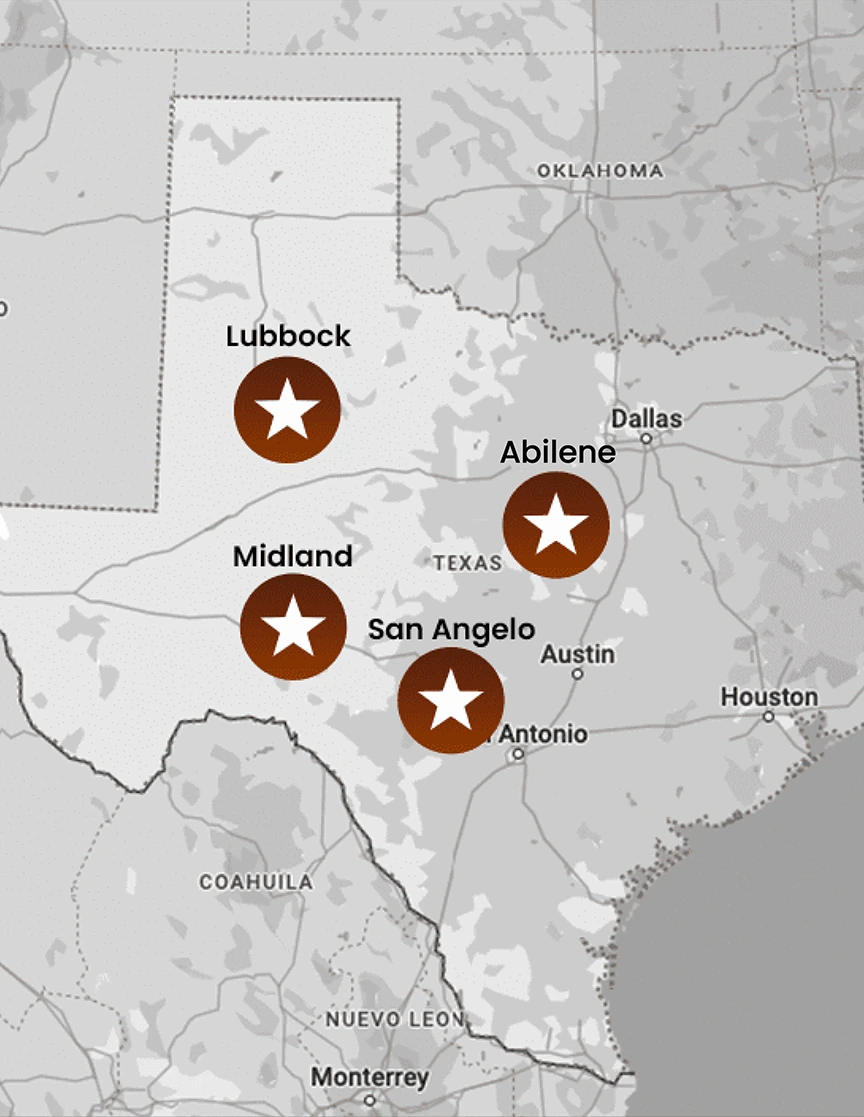
Keith & Lorfing’s offices in Abilene, Lubbock, Midland, and San Angelo allow us to provide local representation with deep understanding of West Texas courts and prosecutors. We know the judges, understand local practices, and fight for favorable outcomes in even the most challenging cases.
Take Action Now
3G charges demand immediate legal attention. Keith & Lorfing’s West Texas criminal defense team is ready to fight with the same determination and work ethic that defines our region.
Contact Keith & Lorfing today at 325-480-8100 for confidential consultation. We serve clients throughout Abilene, Lubbock, Midland, San Angelo, and all of West Texas. When your freedom is on the line, you need attorneys who understand the stakes and won’t back down from a fight.
Don’t let 3G charges determine your future. Let Keith & Lorfing’s experienced Lubbock criminal defense lawyers and West Texas legal team fight for the best possible outcome in your case.

Frequently Asked Questions About 3G Offenses
What makes an offense a 3G offense in Texas?
An offense becomes a 3G offense when it’s specifically listed in Texas Code of Criminal Procedure Article 42A.054 or when any felony involves a deadly weapon finding. The classification creates special restrictions on bond, probation, and parole that don’t apply to regular felonies.
Can bond be denied for a 3G offense?
Yes, Texas courts can deny bond entirely for 3G offenses in limited circumstances. While the Texas Constitution generally guarantees reasonable bail, judges may deny bond when proof is evident and the defendant poses substantial risk to community safety or flight risk.
Are 3G offenses eligible for probation?
3G offenses are never eligible for judge-granted probation. The only path to probation is jury-recommended community supervision, and certain 3G offenses like murder are completely ineligible for any form of probation regardless of jury recommendations.
How long do you have to serve on a 3G sentence?
3G offenders must serve at least half their sentence before becoming eligible for parole consideration, with no good time credit reducing this requirement. Some 3G offenses carry even longer minimum service requirements, such as 30 years for murder.
Can a deadly weapon finding be challenged?
Yes, deadly weapon findings can be challenged through pretrial motions and trial advocacy. The prosecution must prove specific elements, and successful challenges can eliminate 3G classification and restore probation eligibility for the underlying offense.