A dog bite can leave more than just physical wounds—it can mean lasting scars, expensive medical treatment, lost income, and real emotional trauma, especially for children.
If you or someone you love has been attacked, it’s only natural to want clear answers about what compensation Texas law allows and what your case might be worth.
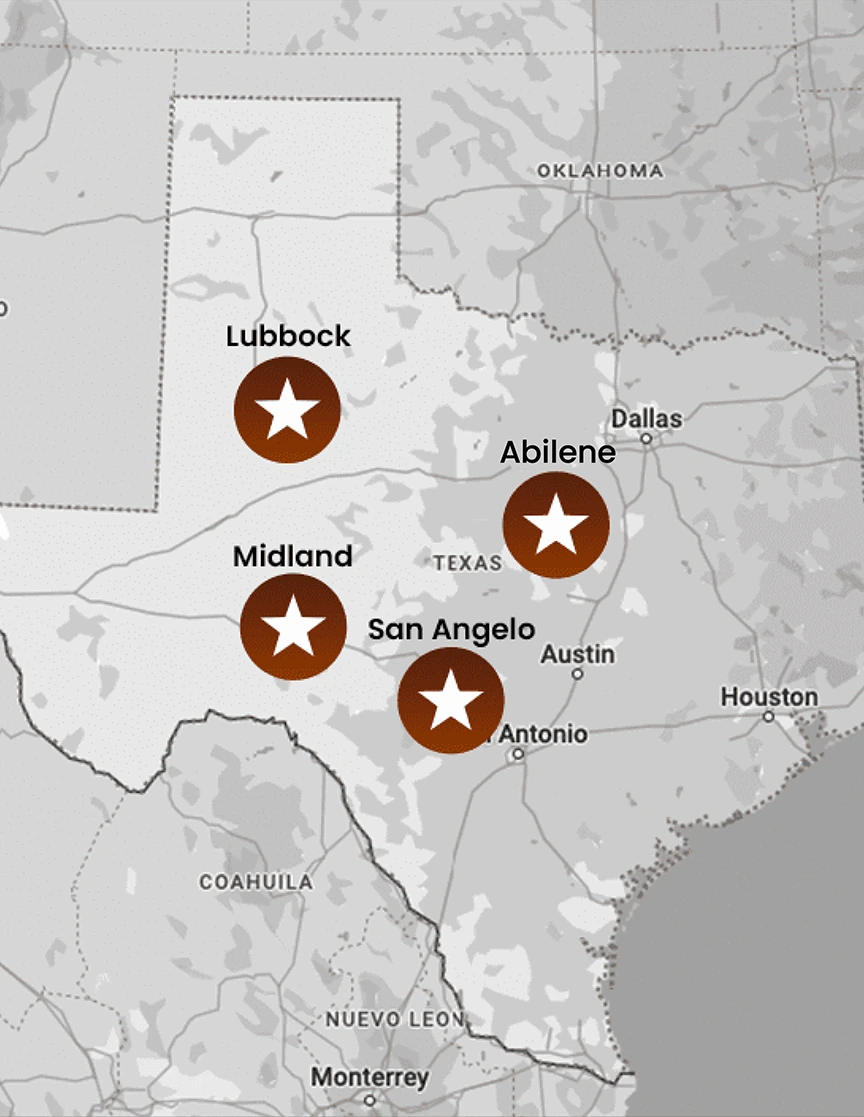
At Keith & Lorfing, our West Texas attorneys handle dog bite cases across the region and understand how these claims are valued. If you’re trying to understand your rights and what steps to take next, exploring your options with a Personal injury lawyer can help you approach your case with clarity and confidence.
This guide breaks down how Texas dog bite claims work, what damages may be recovered, and what factors can increase or limit your compensation.
How Texas Law Treats Dog Bites
Texas does not have a single dog bite statute. Instead, dog bite liability is built on common law and is sometimes called the “one bite rule,” though the actual rule is more nuanced than the nickname suggests.
Under the rule that originated from the Texas Supreme Court’s Marshall v. Ranne decision, an injured person can recover by showing that:
- The owner knew or should have known the dog had dangerous propensities, or
- The owner was negligent in handling or controlling the dog.
In practical terms, that means there are two main paths to recovery: the strict-liability path (knowledge of dangerous propensities) and the negligence path.
The “Knowledge of Dangerous Propensities” Path
The owner is strictly liable if they knew, or should have known, the dog had a tendency to bite, attack, or behave aggressively. Evidence of prior bites, growling at strangers, lunging on a leash, or warnings from neighbors can establish this knowledge.
You do not need to prove the dog had bitten before. Aggressive behavior such as biting other animals, jumping fences, or breaking out of restraints can also be enough.
The Negligence Path
Even without proof of dangerous propensities, an owner can be liable for ordinary negligence. Examples include:
- Failing to leash the dog as required by local ordinance
- Letting the dog roam unfenced
- Failing to repair a broken fence or gate
- Allowing a known aggressive dog around children
- Violating a local “dangerous dog” registration or restraint requirement
Many West Texas cities have leash laws and animal control ordinances. A violation of one of those local rules is often enough to establish negligence.
Negligence Per Se
When a city ordinance is violated and that violation causes the bite, Texas courts can treat the violation as negligence per se. That is a strong tool for victims because it shifts the focus from the owner’s knowledge of the dog to the owner’s compliance with a clear legal duty.
Who Can Be Held Liable in a Dog Bite Case
Liability does not always stop with the dog’s owner.
- The owner. The first and most obvious defendant.
- A keeper or harborer. A person caring for the dog, even temporarily, may be liable if they knew of dangerous propensities.
- A landlord. Liable in some cases when the landlord knew the dog was dangerous and allowed it on the property.
- A property owner or business. Liable for inadequate security or premises conditions that allowed the attack.
- A homeowner’s or renter’s insurance carrier. Provides the coverage that funds most settlements.
The insurance question is central. Most dog bite recoveries come from a homeowner’s or renter’s policy. Policies typically include personal liability coverage, often $100,000 to $500,000, and may include a separate medical payments line. Some policies exclude certain breeds or dogs with prior bite history. Identifying coverage early matters.
Damages You Can Recover
Texas allows recovery of both economic and non-economic damages in a dog bite case.
Economic damages:
- Past and future medical expenses
- Reconstructive and plastic surgery
- Mental health treatment
- Lost wages and lost earning capacity
- Out-of-pocket expenses
Non-economic damages:
- Pain and suffering
- Mental anguish
- Disfigurement
- Physical impairment
- Loss of consortium for spouses
Exemplary (punitive) damages. Available in limited cases when the owner’s conduct was grossly negligent, such as releasing a known dangerous dog into a public area.
What Dog Bite Cases Are Worth in Texas
Dog bite case values in Texas vary widely. There is no single “average” that means much for any given case. The key drivers are injury severity, scarring, the victim’s age, and available insurance.
Minor bites with full recovery. Puncture wounds requiring stitches but no surgery, no permanent scarring, no lost work. These cases often resolve in the low to mid five-figure range.
Moderate bites with permanent scarring. Bites requiring multiple stitches, possibly a single round of revision surgery, with visible scarring. Resolution often lands in the mid five-figure to low six-figure range.
Serious bites requiring reconstructive surgery. Multiple surgeries, significant scarring, ongoing pain or impairment. Cases routinely settle in the high five-figure to mid six-figure range.
Severe attacks with disfigurement or disability. Facial reconstruction, nerve damage, loss of function, or amputation. Settlements can reach mid six-figures to seven figures.
Child victims. Children often command higher settlements because of facial scarring, longer life expectancy with the disfigurement, and psychological impact. Even moderate bites to a child’s face can settle in six figures.
These numbers are illustrative ranges drawn from common case patterns. The same physical injury can produce very different outcomes depending on insurance, liability strength, and venue.
Factors That Increase Dog Bite Case Value
A few factors consistently push case values higher:
- Facial or visible scarring. Permanent visible scars, especially on a child, drive higher non-economic damages.
- Multiple surgeries. Particularly reconstructive procedures.
- Documented PTSD or anxiety. Especially with treating mental health records.
- Prior bite history. Establishes knowledge of dangerous propensities.
- Ordinance violations. Leash laws, dangerous dog registration, or restraint requirements.
- Child victims. Especially when the dog was unsupervised or invited near children.
- Strong insurance coverage. Higher policy limits give more room to recover full damages.
- Clear liability. Surveillance video, multiple witnesses, or admissions by the owner.
Factors That Reduce Dog Bite Case Value
Other factors push values down:
- Provocation. Texas allows owners to argue the victim provoked the dog. Provocation evidence can shrink or eliminate recovery.
- Trespassing. Bites that occur while the victim is unlawfully on the property limit recovery.
- Comparative fault. Conduct such as ignoring posted warnings or interfering with the dog can reduce recovery.
- Limited insurance coverage. Some homeowner’s policies exclude specific breeds or have low caps for animal attacks.
- No witnesses or documentation. Disputed-fact cases settle for less.
Special Considerations for Child Bite Cases
Children make up a disproportionate share of serious dog bite injuries. Texas law treats child cases differently in several ways.
- Statute of limitations is tolled. A minor’s two-year deadline does not start running until the child turns 18. The deadline becomes the child’s 20th birthday in most cases.
- Court approval of settlements. Settlements involving minors typically require court approval. The funds may be placed in a registry account or annuity until the child reaches age 18.
- Higher non-economic damages. Lifetime scarring, psychological impact, and developmental concerns push values higher.
- Stronger jury sympathy. Juries respond strongly to injuries to children, which gives plaintiff attorneys leverage.
A child’s case should never be quickly settled. The full medical and psychological picture often takes years to develop.
What to Do After a Dog Bite
Quick action protects both health and the legal claim.
- Get medical care immediately. Even minor-looking bites can become infected or cause nerve damage.
- Report the bite. Call animal control or local police. Reports become evidence and may also protect the public.
- Identify the dog and owner. Get the owner’s name, address, phone number, and homeowner’s insurance information.
- Photograph the injuries. Take photos at the scene, in the ER, and during recovery.
- Photograph the location. Show the conditions, gates, fences, and any restraints (or lack of them).
- Get witness contact information. Witnesses are often essential.
- Save all medical records and bills. Document every visit and treatment.
- Track lost work. Note dates missed and lost income.
- Avoid recorded statements to insurers. Wait until you have legal representation.
- Talk to a dog bite attorney early. Insurance companies move quickly to settle cheap.
How a Texas Dog Bite Case Moves Through the Process
A typical case follows this arc:
- Investigation and insurance identification. Your attorney identifies the homeowner’s or renter’s policy.
- Medical treatment and documentation. Treatment continues, records are gathered, and any reconstructive plans are finalized.
- Demand and negotiation. A demand package goes to the insurer. Many cases settle here.
- Lawsuit if needed. Cases that do not settle move into litigation.
- Discovery and mediation. Records are pulled, witnesses are deposed, mediation is scheduled.
- Settlement or trial. Most cases settle. The few that go to trial often produce strong verdicts when liability is clear.
Most Texas dog bite cases resolve within 9 to 18 months, but timelines can vary depending on the Texas personal injury statute of limitations and how quickly action is taken. Cases with reconstructive surgery or child victims may take longer because the medical picture takes longer to settle.
Insurance companies start lowballing fast in dog bite cases. If you or your child was attacked, call our West Texas dog bite attorneys at tel: 325 480 8100 or contact our Personal injury lawyer for a free consultation. We work on contingency, which means no fees unless we recover for you.
Frequently Asked Questions
How long do I have to file a dog bite case in Texas?
The general personal injury deadline is two years from the date of the bite. For child victims, the deadline is generally tolled until the child’s 18th birthday.
Does Texas have a “one bite rule”?
The popular nickname is misleading. The owner can be liable on the first bite if they knew or should have known the dog had dangerous propensities, and can also be liable for negligence even without prior bites.
Will the dog be put down?
Animal control or local authorities decide that question, not the civil case. Some cities have dangerous dog procedures that may apply after a serious attack.
Does the owner’s insurance always pay?
Most homeowner’s and renter’s policies cover dog bites, but some exclude specific breeds or dogs with prior bite history. Identifying the policy and any exclusions early matters.
Can I sue if a dog bit me on the owner’s property?
Yes, in most cases. Lawful visitors are protected by Texas law. Bites that occur while the victim is trespassing have more limited remedies.
What if a dog attacked my dog and not me?
Texas allows recovery for property damage to your dog, including veterinary bills. Some cases also support recovery for emotional distress when the attack was witnessed firsthand under specific circumstances.