If you were hit by an 18-wheeler, you’re probably asking the one question every victim wants answered: what is my case actually worth? Most law firm sites will tell you “every case is different.” That’s true—but it doesn’t give you anything to work with.
The reality is that 18-wheeler settlements follow patterns. Certain factors consistently push a case higher or lower, from the severity of your injuries to how liability is proven and how the insurance company evaluates risk.
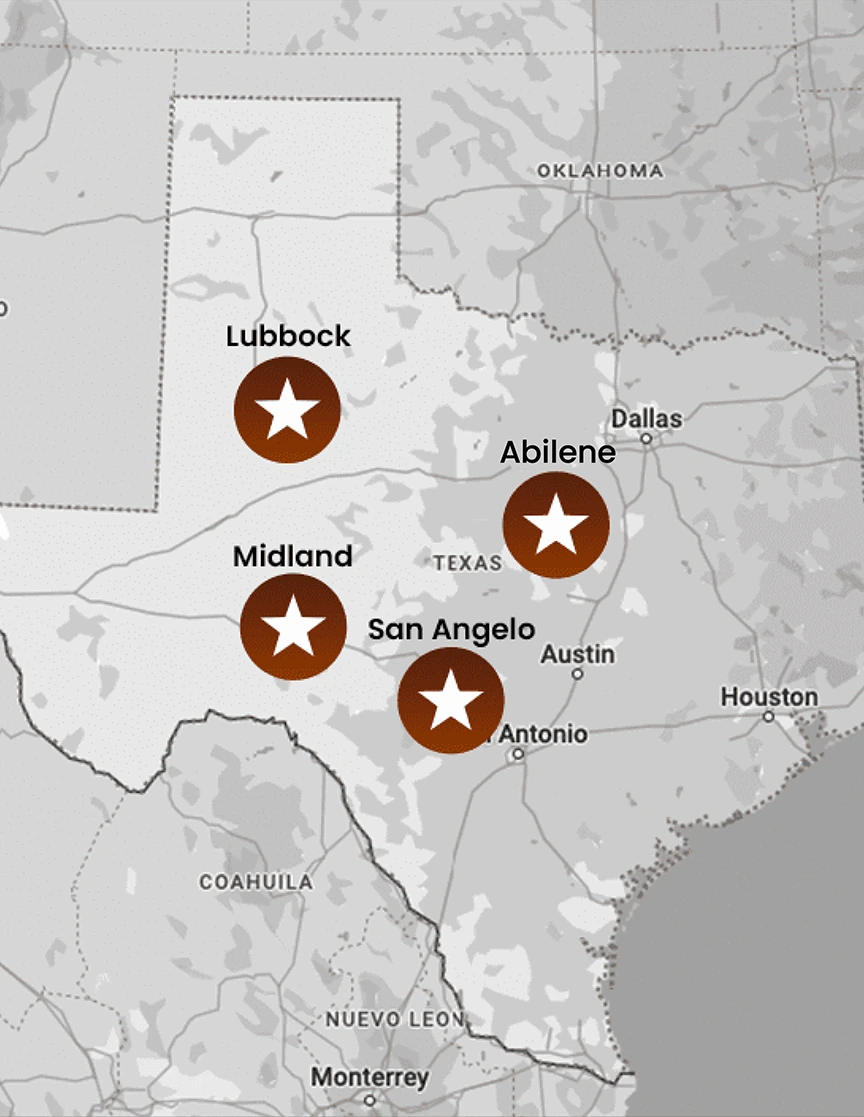
At Keith & Lorfing, we represent truck accident victims across West Texas and have handled cases ranging from minor injuries to catastrophic and fatal crashes.
If you want a clearer picture of where your case might fall, speaking with an Abilene Truck Accident Lawyer can help you understand the real value drivers behind your claim.
This guide breaks down average payouts, real case examples, and the key factors that influence settlement outcomes.
How Much Is the Average 18-Wheeler Accident Settlement?
There is no single “average” 18-wheeler settlement that applies to your case. Industry-reported figures often range widely, and any specific dollar amount you find online should be treated with skepticism. What is reliable is the framework.
In general, 18-wheeler cases settle for more than ordinary car accidents because:
- Federal law requires commercial carriers to carry minimum liability coverage of $750,000 for general freight, $1 million for oil-and-gas haulers, and $5 million for hazardous materials.
- Many large fleets carry additional umbrella policies stacking into the millions.
- Truck collisions tend to cause more severe injuries due to size and weight differential.
- Federal regulations create clear standards of care, which often makes liability easier to prove.
Cases involving permanent disability, paralysis, traumatic brain injury, or wrongful death routinely settle for seven figures or more. Cases involving soft-tissue injuries with full recovery typically settle for less, often in the low five-figure range.
What Determines the Value of an 18-Wheeler Settlement
Truck accident settlements are valued on the same basic categories used in any personal injury case, scaled up by the unique factors that come with commercial trucking.
1. Medical Expenses
Past medical bills are documented from records. Future medical care is projected by treating physicians and life-care planners. In serious cases, this category alone can reach seven figures.
Common cost drivers include:
- Emergency department and trauma care
- Surgery and inpatient hospitalization
- Imaging (MRI, CT)
- Physical therapy and rehabilitation
- Pain management
- Mental health treatment
- Home health care
- Assistive equipment and home modifications
2. Lost Wages and Lost Earning Capacity
Past lost wages cover the income you missed during recovery. Lost earning capacity covers the long-term effect of your injuries on your ability to work in the future. A vocational expert and an economist often build this number for serious cases.
3. Pain and Suffering
Texas allows recovery for past and future pain and suffering. Insurers and juries typically value this category by reference to the severity of the injuries, the length of recovery, and the credibility of the evidence.
4. Mental Anguish and Emotional Distress
Anxiety, depression, PTSD, and sleep disturbance are real damages with real value when supported by treatment records.
5. Disfigurement and Physical Impairment
Scarring, amputation, loss of a limb, and loss of physical function are separately compensable in Texas.
6. Loss of Consortium
Spouses can recover for the loss of companionship, comfort, and intimacy resulting from the injury.
7. Wrongful Death and Survival Damages
Where a loved one was killed, surviving spouses, children, and parents can recover their own damages, and the estate can pursue survival damages for what the decedent suffered before death.
8. Exemplary (Punitive) Damages
Available where the conduct was grossly negligent. Examples include drunk driving, intentional log falsification, and putting a known unsafe truck on the road. Punitive damages can dramatically increase a case’s total value.
Factors That Push 18-Wheeler Settlements Higher
Some factors consistently increase settlement value.
- Severity and permanence of injuries. Catastrophic injuries drive the largest settlements.
- Clear liability. Black box data, dashcam footage, and FMCSR violations remove arguments about fault.
- Multiple available policies. Driver, carrier, owner, shipper, and umbrella policies can be stacked.
- Strong treating physicians. Doctors who can clearly explain the link between the crash and the injury matter.
- Documented pre-injury earnings. Solid W-2s, 1099s, or business records make lost-earning claims provable.
- No significant pre-existing conditions. Or, when there is a pre-existing condition, clear evidence the crash made it worse.
- Sympathetic plaintiff and venue. Juries in plaintiff-friendly venues can drive up settlement leverage.
- Punitive damages exposure. Carriers settle higher to keep gross-negligence findings out of the public record.
Factors That Reduce 18-Wheeler Settlements
Other factors push values down.
- Comparative fault. Texas law reduces recovery by your share of fault. More than 50 percent and you recover nothing.
- Gaps in medical treatment. Long unexplained gaps invite arguments that you were not really hurt.
- Pre-existing injuries. Without proper documentation, defense lawyers blame everything on prior issues.
- Social media missteps. Photos of activity inconsistent with claimed injuries are routinely used at trial.
- Recorded statements. Early statements to insurers are often used out of context.
- Low policy limits. Small carriers with only minimum coverage may cap recovery, especially when no umbrella policy exists.
Realistic Case Value Tiers
While no two cases are alike, 18-wheeler cases generally fall into recognizable tiers. The numbers below are illustrative ranges drawn from common case patterns, not guarantees.
Minor injuries with full recovery. Whiplash, mild concussion, soft-tissue strains. Treatment of a few months. Settlements often resolve in the low five-figure range to mid five-figures.
Moderate injuries with extended recovery. Herniated discs, fractures requiring surgery, mild traumatic brain injury, ongoing pain management. Settlements commonly land in the high five-figure to mid six-figure range.
Serious injuries with permanent impact. Multiple surgeries, chronic pain, permanent partial impairment, significant lost earning capacity. Settlements commonly reach high six-figures to seven figures.
Catastrophic injuries. Paralysis, severe traumatic brain injury, multiple amputations, severe burns, lifelong nursing care. Cases routinely resolve in the seven- to eight-figure range when full insurance coverage is available.
Wrongful death. Damages depend on the decedent’s age, earnings, dependents, and circumstances of death. Settlements vary widely but are often the largest cases on a docket.
These tiers are starting points for analysis, not promises. The same injury can be worth very different amounts depending on liability strength, available insurance, and jurisdiction.
Hypothetical Case Examples
The examples below are simplified hypotheticals used to illustrate how the same facts produce different settlement values.
Example 1 — Rear-end on I-20.
A fatigued 18-wheeler driver rear-ends a passenger car. The car’s driver suffers a herniated disc, undergoes a single-level fusion, and returns to work after nine months. With clear liability, ELD violations, and a $1 million policy, this kind of case often settles in the high six-figures.
Example 2 — Underride collision.
A passenger car becomes wedged under a trailer that lacked proper underride protection. The driver suffers severe traumatic brain injury and will need lifetime care. With multiple available policies and clear liability, life-care plans driving future medical costs into the millions, and punitive exposure for ignored federal safety upgrades, the case can resolve in the eight-figure range.
Example 3 — Cargo spill rollover.
Improperly loaded cargo causes a rollover. A second motorist is killed when the trailer crosses the median. Wrongful death damages, paid by both the carrier and the cargo loader, can easily reach seven figures or more.
Example 4 — Disputed-liability sideswipe.
A lane-change collision where both drivers blame each other. The injured driver suffers a torn rotator cuff. Without dashcam or witness corroboration, comparative fault may shave 30 to 40 percent off the recovery. Resolution often lands in the low to mid five-figures.
How Texas Law Affects 18-Wheeler Settlements
A few Texas-specific rules drive case value in commercial truck cases.
Modified comparative fault. You recover only if your share of fault is 50 percent or less. Your recovery is reduced by your percentage of fault.
Two-year statute of limitations. Personal injury and wrongful death claims generally must be filed within two years of the crash.
Caps on punitive damages. Texas caps exemplary damages at the greater of $200,000 or two times economic damages plus up to $750,000 in non-economic damages. Compensatory damages are not capped.
No cap on most personal injury damages. Unlike medical malpractice, ordinary truck accident cases have no cap on pain and suffering, mental anguish, or other non-economic damages.
Federal preemption. Many trucking-specific claims interact with federal law, particularly the Federal Motor Carrier Safety Regulations.
Common Mistakes That Lower Settlement Value
A few avoidable mistakes regularly cost injured people money.
- Giving a recorded statement to the trucking company’s insurer
- Posting on social media during treatment
- Skipping or stopping medical care too early
- Accepting a fast lump-sum offer before the full extent of injury is known
- Letting evidence (the truck, ECM data, dashcam) disappear before preservation letters go out
- Waiting too long to hire an attorney
Each one of these can reduce a case’s value by tens or hundreds of thousands of dollars.
How Long Until You See the Settlement Money?
Most 18-wheeler cases resolve within 12 to 24 months from the date of the crash, though catastrophic cases can take longer because future medical needs cannot be valued until treatment plateaus.
A typical timeline:
- Months 1-3: Investigation, evidence preservation, initial treatment.
- Months 3-12: Treatment continues, medical records gather, demand package built.
- Months 12-18: Demand sent, pre-suit negotiations, lawsuit filed if needed.
- Months 18-24+: Discovery, mediation, settlement or trial.
Once a settlement is reached, the carrier or insurer must fund it, attorneys must clear medical liens and bills, and disbursement is then made. That final step usually takes 30 to 60 days.
Knowing your case value is the difference between a fair settlement and an early lowball. Our attorneys offer free, confidential case evaluations. Call (325) 480-8100 or contact our Abilene Truck Accident Lawyer to discuss your 18-wheeler case. We work on contingency, which means no fees unless we recover for you.
Frequently Asked Questions
Why are 18-wheeler settlements typically larger than car accident settlements?
More severe injuries, larger insurance policies, federal regulations that establish a clear standard of care, and more potentially liable parties all push values higher.
Will I have to go to trial to get a fair settlement?
Most cases settle before trial, but the credible threat of trial is what drives strong settlements. Hiring a firm willing to try cases matters.
Are 18-wheeler settlements taxable in Texas?
Most compensatory personal injury damages are not taxable under federal law. Some categories, including punitive damages and certain interest, can be taxable. We coordinate with tax professionals when needed.
Can I still recover if I was partly at fault?
Yes, as long as your share of fault is 50 percent or less. Recovery is reduced proportionally.
What if the trucking company offers a settlement before I hire an attorney?
Read no offer in isolation. Early offers are designed to close the case before the full extent of injuries is known and before preservation letters force the truth into discovery.