A fully loaded 18-wheeler needs significantly more distance to stop than a passenger car—especially in dangerous situations like jackknife truck accidents. When its brakes fail, a small issue can turn into a catastrophic crash in seconds. If you were hit by a commercial truck with faulty brakes, it’s only natural to ask—who’s actually responsible?
The answer is rarely simple. Truck brake failure cases often involve a chain of decisions made long before the crash. Drivers, trucking companies, maintenance crews, and even parts manufacturers can all share liability depending on what went wrong.
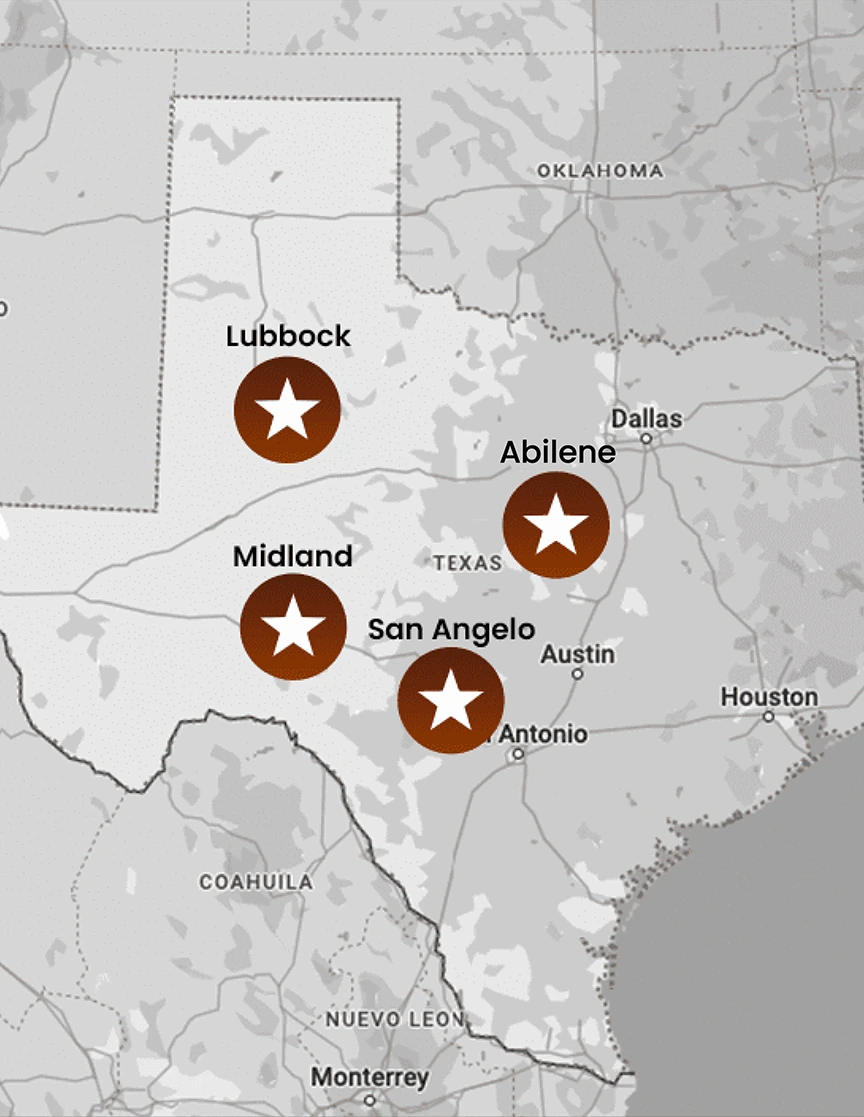
At Keith & Lorfing, we represent crash victims across West Texas and understand how complex these cases can become. If you’re trying to figure out who may be at fault and how to prove it, speaking with an Abilene Truck Accident Lawyer can help you uncover the full picture.
This guide breaks down how brake failures happen, who is typically liable, and what evidence matters most.
How Often Do Truck Brakes Actually Fail?
Brake-related issues are one of the most common factors in commercial truck crashes. Federal Motor Carrier Safety Administration (FMCSA) inspection data has long shown that brake violations are a leading reason trucks are placed out of service during roadside inspections.
A “brake failure” is not always a sudden, dramatic loss of stopping power. More often, the system slowly degrades because of poor maintenance until it cannot handle a heavy load on a long downgrade or in heavy traffic. By the time the driver notices the problem, a crash is already happening.
Why Truck Brakes Fail
Most truck brake failures fall into one of several categories. Each one points to a different set of responsible parties.
Worn or Out-of-Adjustment Brakes
Air brakes on a tractor-trailer require periodic adjustment as friction material wears. When slack adjusters are not maintained, the pushrod travels too far, and the brakes lose stopping power. This is the single most common defect found in roadside inspections.
Overheated and Faded Brakes
On long downhill grades, drivers who ride the brakes overheat the drums. Once temperatures climb above the friction material’s rating, stopping power drops sharply. Proper technique requires using engine braking and lower gears, which not every carrier teaches.
Air System Leaks
Tractor-trailers run on compressed-air braking systems. A leak in a hose, valve, or fitting can cause pressure to drop. When pressure falls below a set threshold, the truck’s spring brakes are designed to apply automatically. Improperly maintained systems can fail in ways that bypass that safety net.
Defective Parts
Manufacturing defects in calipers, drums, slack adjusters, ABS modulators, or air valves can cause sudden brake failure. Parts manufacturers can be liable under Texas product liability law when a defective component contributes to a crash.
Improper Repairs
Brake jobs that use mismatched components, skip required adjustments, or ignore federal standards can leave a truck more dangerous than before. Independent repair shops can be sued for negligent repair.
Overloaded Trucks
Federal weight limits exist for a reason. An overloaded truck demands more from the braking system than the system was designed to handle. Cargo loaders and shippers can be liable when a truck leaves the dock above legal weight.
Who Is Liable for a Truck Brake Failure Crash?
Texas law allows injured people to pursue every party whose negligence contributed to the crash. In a brake failure case, that list is often long.
The trucking company (motor carrier). Federal regulations make the carrier responsible for systematic inspection, repair, and maintenance of every vehicle it operates. The company must also keep written records and remove unsafe trucks from service. Failure to do any of this is direct negligence.
The driver. Drivers are required to perform pre-trip and post-trip inspections, including brake checks. A driver who skips inspections, ignores warning signs, or fails to properly use engine braking on a downgrade can be personally liable.
The maintenance provider or repair shop. Independent shops that perform brake work owe a duty to do it correctly. A shop that installs the wrong shoes, fails to adjust slack, or signs off on unsafe work can be sued for the damage that follows.
The truck owner or leasing company. When the truck is leased rather than owned by the carrier, the leasing company may have its own maintenance duties under the contract.
The brake parts manufacturer. When a component fails because of a design or manufacturing defect, the manufacturer can be liable under Texas product liability law, even without proving negligence.
The cargo loader or shipper. Overloading or unbalanced loading puts extreme stress on the brake system. The party that loaded the truck can share responsibility.
Government entities. In limited cases, a roadway or runaway-truck-ramp design may contribute to the severity of the crash. Claims against government entities have short notice deadlines.
Identifying every responsible party matters because each one usually carries separate insurance coverage. Stacking those policies is often what turns a partial recovery into a full one.
Federal Regulations That Apply to Truck Brakes
Several Federal Motor Carrier Safety Regulations (FMCSR) directly govern truck braking systems. When a carrier or driver violates one of these rules and that violation causes a crash, Texas courts often treat it as negligence per se. That makes proving fault dramatically easier.
Key rules include:
- 49 CFR 396.3 — Inspection, repair, and maintenance: Carriers must systematically inspect, repair, and maintain all motor vehicles under their control.
- 49 CFR 396.11 — Driver vehicle inspection reports: Drivers must prepare a written report at the end of each driving day identifying any defects, including brakes.
- 49 CFR 396.13 — Driver inspection: Before driving, the driver must be satisfied that the vehicle is in safe operating condition, with brakes specifically listed.
- 49 CFR 393.40-.55 — Brake performance: Detailed standards for service brakes, parking brakes, emergency brakes, ABS, and brake system components.
- 49 CFR 396.17 — Periodic inspection: Vehicles must pass an annual inspection that includes brake system components.
Every one of these rules creates paperwork. That paperwork, when it exists, becomes evidence. When it does not exist, that absence is also evidence.
Evidence That Proves Brake Failure
Proving a brake failure case requires more than the driver’s after-the-fact statement. It requires fast preservation of physical evidence and aggressive document discovery.
Critical evidence includes:
- The truck itself. A qualified expert needs to inspect brakes, drums, slack adjusters, and air system components before anything is repaired or scrapped.
- ECM (engine control module) data. Speed, throttle, and brake application in the seconds before impact.
- ELD (electronic logging device) data. Drive-time and rest history, which can connect fatigue and rushed maintenance to the crash.
- Driver Vehicle Inspection Reports (DVIRs). The pre-trip and post-trip reports drivers are required to file.
- Maintenance and repair records. Work orders, parts invoices, and inspection reports for the truck and trailer.
- Annual inspection documents. Federal periodic inspection forms.
- Carrier safety records. CSA scores, prior out-of-service violations, and FMCSA inspection history.
- Driver qualification file. Training records, road tests, and prior employment data.
- Dashcam and forward-facing video. When available, often the single most important piece of evidence.
- Scene photographs and skid marks. Brake failure crashes often leave a distinctive pattern.
Texas spoliation rules require defendants to preserve relevant evidence once a claim is reasonably foreseeable. Our attorneys send formal preservation letters within hours of being retained. Without that letter, the truck may be repaired, sold, or scrapped, and the data may be overwritten.
Damages in a Brake Failure Crash
Compensation in a Texas brake failure case can include:
- Past and future medical expenses
- Lost wages and lost earning capacity
- Pain and suffering
- Mental anguish
- Disfigurement and physical impairment
- Property damage
- Loss of consortium for spouses
- Wrongful death damages for surviving family members
- Exemplary (punitive) damages when the conduct was grossly negligent
Texas allows exemplary damages when a defendant acted with conscious disregard for safety. Knowingly putting a truck on the road with bad brakes can meet that standard. Punitive damages are intended to punish the company and deter similar conduct.
Common Defenses and How We Defeat Them
Trucking companies and their insurers typically respond to brake failure claims with a few predictable defenses.
“It was a sudden, unforeseeable failure.” We use maintenance records, prior inspection results, and expert testimony to show the warning signs were there.
“The driver did everything right.” ECM data, DVIRs, and downloaded GPS data routinely tell a different story.
“The injured driver caused the crash.” Comparative fault arguments are weakened when the truck’s own data confirms loss of stopping power.
“The repair shop is responsible, not us.” Carriers cannot fully delegate their federal maintenance duty. Even when a third party performed the work, the carrier remains accountable.
How a Brake Failure Case Is Built
Brake failure cases tend to move through several distinct phases.
Phase 1: Preservation. Spoliation letters to the carrier, insurer, and any third-party shops. The truck is locked down for inspection.
Phase 2: Inspection. A mechanical engineer or commercial vehicle expert documents brake condition with photos, measurements, and lab analysis. Brake drums and shoes may be sent out for metallurgical testing.
Phase 3: Records discovery. Maintenance files, DVIRs, inspection reports, repair invoices, parts records, and driver logs are pulled.
Phase 4: Crash reconstruction. A reconstructionist combines ECM data, physical evidence, and scene measurements to model what happened.
Phase 5: Liability allocation. Findings are tied to specific defendants. A defective drum points to the manufacturer. A skipped inspection points to the carrier. A bad repair points to the shop.
Phase 6: Demand and lawsuit. A demand package goes to each defendant. Cases that do not settle move into formal litigation.
This work is technical and expensive. Our firm fronts these costs and only recovers them at the end of a successful case.
Brake failure cases live and die on physical evidence. If you or a loved one was injured by a truck whose brakes failed, call our West Texas truck accident attorneys at (325) 480-8100 or contact Abilene Truck Accident Lawyer for a free consultation. The truck may be repaired or sold within days, so time matters.
Frequently Asked Questions
How long do I have to file a truck brake failure lawsuit in Texas?
The general deadline is two years from the date of the crash. Wrongful death claims also follow a two-year deadline in most cases. Government claims have shorter notice deadlines.
What if the trucking company already repaired or scrapped the truck?
That can be spoliation of evidence. Texas courts have remedies, including jury instructions that assume the missing evidence was unfavorable to the defendant.
Can the brake parts manufacturer be sued in Texas?
Yes. Texas product liability law allows claims against manufacturers and distributors of defective components.
Are owner-operators treated differently from large fleets?
The federal rules apply to both. Owner-operators leased to a larger carrier are usually backed by the carrier’s insurance during the trip.
What if the driver claims the brakes “just gave out”?
That is an admission worth investigating. We use it as a starting point to subpoena maintenance records and inspect the brake system.