If you or a loved one has been notified about potential ISF placement in Texas, you’re likely feeling confused and concerned. Intermediate Sanction Facilities (ISF) represent a middle ground between continued supervision and full incarceration, but understanding how they work can be complex. As experienced West Texas criminal defense attorneys, we’ve helped countless clients navigate the ISF process and understand their rights during parole and probation violations.
Understanding ISF Jail in Texas
ISF stands for Intermediate Sanction Facility – a specialized correctional program designed to address parole and probation violations without sending offenders back to traditional prison. Under Texas Government Code § 508.202, the Texas Board of Pardons and Paroles has authority to place individuals in ISF as an alternative sanction for technical violations.
ISF serves as a short-term intervention tool with a focus on rehabilitation rather than punishment. The Texas Department of Criminal Justice operates these facilities with structured programming, though the experience can still be challenging for those placed there.
Key Features of Texas ISF Programs:
- Short-term placement (typically 45-120 days)
- Emphasis on counseling and treatment programs
- No credit toward original sentence or parole term
- Administrative placement rather than court-ordered
The Texas Board of Pardons and Paroles views ISF as a way to address violations while keeping offenders in the community supervision system, costing taxpayers less than full incarceration while potentially providing better rehabilitation outcomes.
What Happens in an ISF?
Length of Stay and Typical Sentence
Most ISF placements range from 45 to 120 days, though the exact length depends on several factors including the nature of your violation, your supervision history, and program type. According to Texas regulations, ISF sentences can range from 45 to 120 days depending on the program track assigned. Unlike regular jail time, time served in ISF does not count toward your original sentence or parole term.
Here’s what determines ISF length:
| Program Type | Typical ISF Length | Purpose |
|---|---|---|
| Substance Abuse Relapse | 45 days | For those who previously completed treatment |
| Cognitive Intervention | 60-90 days | Behavioral modification focus |
| Substance Abuse Treatment | 90 days | Intensive addiction treatment |
Facility Conditions and Structure
ISF facilities operate differently than traditional correctional institutions. Most use dormitory-style housing with multiple beds per room, creating a communal environment. Daily schedules are highly structured, typically beginning at 5:30 AM with mandatory programming throughout the day.
Standard ISF daily structure includes:
- Morning count and meal service
- Mandatory educational or treatment sessions
- Work assignments or community service
- Evening programming and lights out by 10 PM
Random drug testing occurs frequently, and any positive test can extend your ISF stay or result in additional sanctions. Phone calls are limited and monitored, while visitation follows strict schedules.
Rehabilitation and Programs Offered
ISF facilities emphasize cognitive behavioral therapy and substance abuse education as core components. The Texas Department of Criminal Justice requires specific programming based on individual risk assessments and violation history.
Common ISF programs include:
- Cognitive Behavioral Interventions: Address thinking patterns that contribute to violations
- Life Skills Training: Focus on employment readiness and financial responsibility
- Substance Abuse Education: Mandatory for drug-related violations
- Work Programs: Facility maintenance and community service projects
These programs aim to address underlying issues that led to violations. However, program participation doesn’t guarantee early release, as ISF terms are typically fixed regardless of completion.
Who Gets Sent to an ISF?
ISF placement typically results from technical violations rather than new criminal charges. The Texas Board of Pardons and Paroles uses ISF as an intermediate step before considering full revocation of supervision.
Common violations leading to ISF include:
- Missing scheduled appointments with parole or probation officers
- Failing required drug or alcohol tests
- Violating curfew restrictions or GPS monitoring terms
- Failure to maintain approved residence or employment
- Associating with prohibited individuals
- Traveling outside approved areas without permission
Technical violations commonly leading to ISF include situations where parolees miss consecutive meetings with their parole officer due to work conflicts or other circumstances. Rather than revoking parole entirely, the parole board may order ISF placement along with enhanced supervision upon release.
ISF as a Sanction for Probation or Parole
The intermediate sanction model recognizes that full revocation isn’t always appropriate for technical violations. ISF allows the system to impose consequences while maintaining the person’s connection to community supervision.
According to Texas recidivism data from the Legislative Budget Board, ISF facilities have a 36.5% recidivism rate, indicating that approximately one-third of participants return to incarceration within three years.
Does Everyone Qualify?
Not all violations result in ISF placement. The system excludes individuals with new felony convictions (these typically result in revocation), history of violent offenses during supervision, multiple ISF placements within a short timeframe, and medical conditions incompatible with facility programming.
Risk assessment tools help determine appropriate sanctions based on violation severity, supervision history, and community ties. Our Abilene criminal defense lawyer team has experience advocating for alternatives when clients don’t fit the typical ISF profile.
Legal Process Behind an ISF Placement
Hearing Process
ISF placement occurs through administrative hearings rather than traditional court proceedings. When a parole officer believes you’ve violated supervision terms, they file a violation report with the Texas Board of Pardons and Paroles. This triggers a preliminary hearing process.
The hearing timeline typically follows this pattern:
- Violation report filed (within 10 business days of alleged violation)
- Preliminary hearing scheduled (usually within 30 days)
- ISF recommendation made by hearing officer
- Board review and final decision (within 14 days of hearing)
Due process rights in ISF hearings are limited compared to criminal trials. You won’t have a jury, and the burden of proof is lower. However, you maintain the right to present evidence and witness testimony supporting your case.
Can You Challenge ISF Placement?
Legal representation can significantly impact ISF hearing outcomes. An experienced attorney can work to challenge violation evidence, present mitigating factors, negotiate for reduced terms or alternatives, and ensure proper procedures are followed.
In our experience representing West Texas clients, early legal intervention can help prevent ISF placement entirely. We work to present alternatives including enhanced supervision, community service, or treatment programs as substitutes for facility placement.
How ISF Differs from Jail or Prison
Understanding the distinctions between ISF and traditional incarceration helps manage expectations. ISF operates as a sanction-based program rather than punishment for criminal conviction.
| Feature | ISF | County Jail | State Prison |
|---|---|---|---|
| Legal basis | Administrative sanction | Criminal conviction/pre-trial | Felony conviction |
| Average stay | 60-180 days | Variable | 2+ years average |
| Programming focus | Rehabilitation/compliance | Limited | Variable |
| Due process | Administrative hearing | Full criminal trial | Full criminal trial |
| Appeal rights | Limited | Full appellate rights | Full appellate rights |
ISF conditions are generally less restrictive than prison but more structured than regular supervision. The goal is behavior modification through rehabilitation programming.
Can You Be Released Early from ISF?
If a person’s parole or mandatory supervision is modified after it is established that the person violated conditions of release, the board may require the releasee to remain under custodial supervision in a county jail for a period of not less than 60 days or more than 180 days, as outlined in Texas Government Code § 508.283. This custodial supervision sanction is separate from ISF placement and represents another intermediate option available to parole panels.
Early release from ISF is uncommon and subject to limited circumstances. While Texas parole panels maintain some discretion, most ISF terms are served in full regardless of program completion or good behavior.
- Serious medical emergencies requiring specialized care
- Family crises involving dependent children or elderly relatives
- Administrative errors in violation findings or ISF placement
- Facility overcrowding requiring early discharge
Medical releases represent the most common early discharge category. If you develop a serious health condition requiring treatment unavailable at the ISF, the facility medical staff can recommend early release to the parole board.
Our Lubbock criminal defense lawyer team has experience petitioning for early ISF release in cases involving family emergencies and medical conditions. However, these requests require substantial documentation and legal representation to present effectively.
Why You Need a Texas Parole or Criminal Defense Attorney
Legal Representation at ISF Hearings
Having experienced legal counsel provides significant advantages in parole violation hearings. These proceedings involve complex regulations and procedures that can overwhelm individuals representing themselves.
Our attorneys bring over 500 jury trials of experience to parole violation cases, understanding both the administrative process and potential criminal implications.
🔍 Key advantages of legal representation:
- Understanding of Texas parole regulations and procedures
- Relationships with parole board personnel and hearing officers
- Experience negotiating alternatives to ISF placement
- Knowledge of appeal procedures and post-hearing options
Exploring Alternatives to ISF
Multiple alternatives exist to ISF placement, but parole officers don’t always present all available options. An experienced attorney can advocate for sanctions that address violation concerns while allowing you to remain in the community.
Alternatives we work to negotiate include:
- Enhanced supervision with increased reporting requirements
- Electronic monitoring with GPS tracking
- Residential treatment programs for substance abuse issues
- Community service combined with counseling requirements
- Modified supervision conditions addressing specific violations
ISF placement scenarios can vary widely. For instance, when someone violates parole by testing positive for marijuana use, rather than accepting ISF placement, an attorney may negotiate for outpatient substance abuse treatment combined with twice-weekly drug testing. This alternative can address the underlying issue while allowing the person to maintain employment and family responsibilities.
Talk to a Texas Criminal Defense Attorney Today
Time is critical when facing parole or probation violations. The sooner you contact experienced legal counsel, the more options we have to protect your freedom. Don’t wait until after your hearing – early intervention often prevents ISF placement entirely.
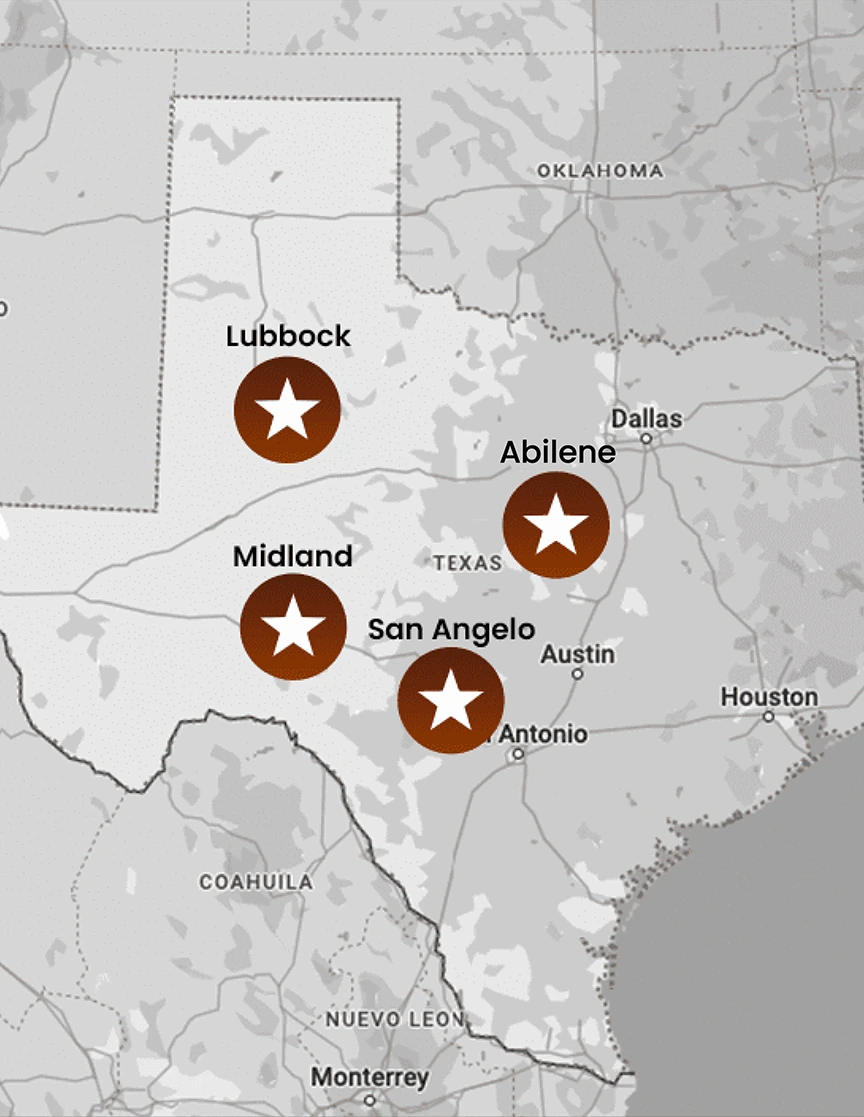
Our West Texas legal team understands the local parole system and has experience defending clients throughout Abilene, Lubbock, San Angelo, and Midland. We work to help clients avoid ISF placement through strategic advocacy and negotiation.
If you’re facing a parole warrant or ISF recommendation, contact Keith & Lorfing immediately. Call us at (325) 480-8100 for a consultation about your case. We’re available 24/7 because we know parole violations don’t wait for business hours.
Don’t let a technical violation derail your progress toward completing supervision successfully. Our experienced criminal defense attorneys will fight to protect your rights and keep you in the community with your family where you belong.
FAQs About ISF Jail in Texas
How long is ISF jail time in Texas?
ISF stays typically range from 45 to 120 days, depending on the program track assigned and violation severity. The Texas Board of Pardons and Paroles sets specific terms during your hearing, and time served doesn’t count toward your original sentence.
Is ISF jail the same as prison?
No, ISF facilities focus on rehabilitation rather than punishment. While conditions are restrictive, ISF emphasizes programming and behavior modification rather than long-term incarceration.
Can you be sent to ISF without a new crime?
Yes, ISF primarily addresses technical violations of supervision terms rather than new criminal charges. Missing appointments, failed drug tests, and curfew violations commonly result in ISF placement.
Can you get released early from ISF?
Early release is rare and typically requires exceptional circumstances such as medical emergencies or family crises. Administrative discretion allows for early discharge, but documentation and legal advocacy improve success chances.
What are my rights during the ISF placement process?
Your rights are limited compared to criminal trials, including no jury trial and lower burden of proof. However, you can present evidence, call witnesses, and have legal representation during hearings.