When a commercial trucking company or an oil field giant puts you in the hospital, they don’t see the person lying in that bed.
They see a line item. A file number. Something to close out as cheap as possible and move on.
I know that because I’ve been on the other side of it. As a former federal prosecutor, I understand exactly how these companies and their insurance carriers think. And that first offer they call you with? It’s not goodwill. It’s a calculation.
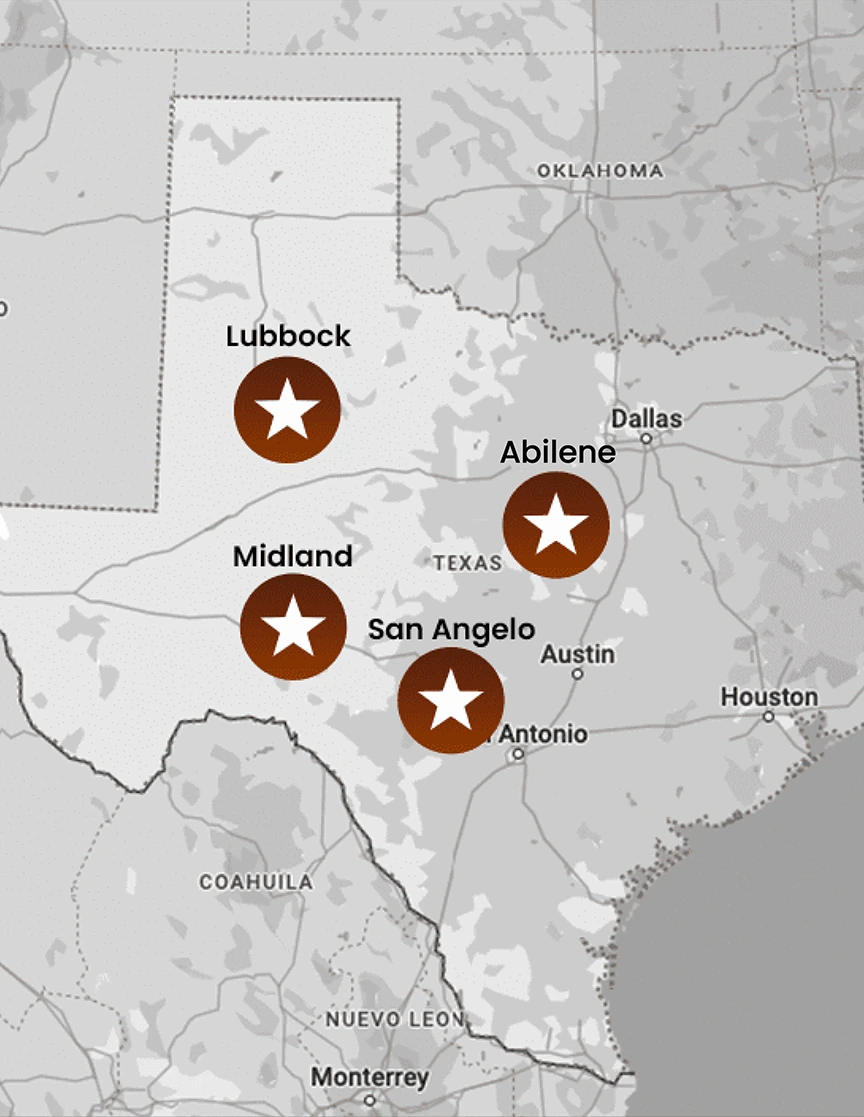
Whether I’m walking into the courthouse on Grant Street or sitting down with a family from Ector County, I’m focused on one thing: making sure the insurance company doesn’t get away with it.
If you’ve been hurt in a wreck or on a rig don’t let them strong-arm you. At Keith & Lorfing, we don’t settle for what’s easy. We fight for what’s right.

If you’ve received a lowball insurance offer after an accident, our experienced Abilene personal injury lawyer will help you pursue the full compensation you’re entitled to.
What Is a Lowball Insurance Offer?
They’re betting you need money right now. They’re betting you’re scared. They’re betting you have no idea what your case is actually worth.
They're betting you need money right now. They're betting you're scared. They're betting you have no idea what your case is actually worth.
So they throw out a number. It might sound like something — especially when bills are stacking up and your paycheck has stopped coming. But that offer is built to close your case before you understand the real cost of what happened to you.
A fair settlement covers everything, not just what’s already happened, but what’s still coming:
- Medical expenses (past and future)
- Lost wages and reduced earning capacity
- Property damage repair or replacement
- Pain and suffering
- Emotional distress
Hypothetical scenario:
You’re rear-ended out on the highway. You go to the ER, get checked out, and before you’ve even seen a specialist, the adjuster is already calling with an offer. It might cover your ER visit. Maybe. But it’s not touching the months of physical therapy your doctor just said you’ll need. Sign that release and the claim is done — even if things get worse.
Why Insurance Companies Make Lowball Offers
Insurance companies are in the business of paying out as little as possible. That is their job. Every dollar they save on your settlement stays in their pocket. That’s not cynicism, that’s just how their math works.

Profit Motive and Claims Strategy
Insurance companies are businesses first and foremost. Their profit depends on collecting premiums while paying out as little as possible in claims.
These decisions aren’t made by someone who cares what you’re going through. They’re made by adjusters following scripts, using software built to produce the lowest defensible number.
The goal was never fairness. The goal is to close your file cheap and move on to the next one.
Assumed Desperation
They’re counting on you being broke. They know your paycheck stopped. They know the bills showed up before the bruising even faded.
That quick offer “We can cut you a check today” isn’t kindness. It’s a trap.
They move fast because you don’t know yet. You don’t know if you’ll need surgery. You don’t know how long you’ll miss work, or whether symptoms will get worse. They do. That’s exactly why they call in the first week.
That pressure often starts immediately after the wreck, before you know the full extent of your injuries or what the claim is worth. Our guide to what insurance companies do after a crash in Texas breaks down the early tactics adjusters use to protect the company’s bottom line and why accident victims should be careful before giving statements, signing forms, or accepting fast money.
Lack of Legal Representation
Unrepresented claimants are significantly more likely to accept lowball offers simply because they don’t know any better. Without legal expertise, victims often:
- Underestimate the value of their claim
- Fail to account for future medical expenses
- Miss important deadlines
- Accept the first offer without negotiation
Misrepresentation or Delay Tactics
Some adjusters use misleading language or intentional delays to frustrate claimants into accepting low offers. They might claim:
- “This is the most we can offer on a claim like this.”
- “You don’t need a lawyer for such a small case.”
- “Hiring an attorney will just eat into your money.”
These statements are often false and designed to discourage you from seeking proper representation.
Common Signs of a Lowball Offer
Not every lowball offer announces itself. Some of them look almost reasonable. Until you actually look close.
Quick Settlement Offer
If an insurance company contacts you within days of your accident with a settlement offer, be suspicious. Legitimate claims require time to evaluate medical treatment, property damage, and lost wages properly.
Vague or Missing Breakdown
Ask them to break it down, line by line. Where did this number come from? How did they calculate each part?
If they stall, repeat the same figure, or get evasive — that’s your answer. A number that can’t be explained was made up.
Ignored Future Medical Costs or Pain & Suffering
Lowball offers are built around what you can prove today. Not what you’ll need next month. Not the pain you’ll still be carrying six months from now.
What they conveniently leave out:
- Future medical treatment and follow-up care
- Rehabilitation and physical therapy
- Pain and suffering compensation
- Lost future earning capacity
Research published through the National Institutes of Health shows that a significant number of serious trauma survivors experience lasting physical or cognitive impairments. Any settlement that ignores your future is not a fair settlement.
High-Pressure Tactics
Legitimate insurance companies don’t pressure victims into immediate decisions.
Be wary of statements like:
- “This offer expires in 24 hours.”
- “You’ll never get a better offer.”
- “Sign now or we’ll withdraw the offer.”
That’s a pressure tactic — designed to stop you from thinking clearly, or from calling an attorney.
Don’t let urgency be the reason you give up what you’re owed.
Real Risks of Accepting a Lowball Settlement
Once you sign that settlement release, it’s over. There’s no going back, even if your injuries turn out to be twice as bad as you thought. Even if surgery ends up on the table. Even if you can’t go back to the job you had before the wreck.
These are full and final releases. That’s not fine print. That’s the entire point.
Here’s what we see happen in real cases across West Texas:
Six weeks later they're back in the doctor's office with bills that blow past what they settled for. By then there's nothing left to do.
A signed release closes the door legally — even if your injuries get worse.
We’ve seen it more times than we can count. Someone takes the quick offer thinking it’s behind them — and six weeks later, they’re back in the doctor’s office with bills that blow past what they settled for.
By then, there’s nothing left to do. The door is legally closed. That’s why the first call you make after a wreck should be to an attorney — not an insurance company.
How to Respond to a Lowball Insurance Offer
You got an offer. It feels low.Here’s exactly what to do.
Don't Sign Anything — Not Yet
I mean it. Nothing. Not the settlement. Not the release. Not a medical authorization you don’t fully understand.
Hold off until you know what your case is worth. Once you sign, that’s it. There’s no do-over.
Request a Justification in Writing
Ask the adjuster to put a full breakdown in writing. Every line item. Where the number came from and how they got there.
A legitimate offer can be explained. If they can’t do that, the number was made up.
Get Medical and Repair Documentation
Before you respond to anything, gather what you have:
- Medical records and bills
- Repair estimates from licensed shops
- Wage loss statements from your employer
- Photos of your injuries and property damage
Call Us Before You Respond To Anything
A free consultation takes about 20 minutes. In those 20 minutes, we can tell you straight whether that offer is anywhere close to fair and what we think you should actually be getting.
Worried about what a lawyer costs? Learn how much a personal injury lawyer costs before deciding on your next step.
We work on contingency. You pay nothing unless we win your case.
Consider Sending a Demand Letter
When Keith & Lorfing sends a demand letter, insurance companies pay attention. They know us. They know we’re trial lawyers. They know we’ll walk into a courtroom if they push us to.
That changes the entire conversation.
How Our Texas Personal Injury Lawyer Can Help
We don’t advertise on the back of a bus and hand your case to a paralegal. We are the attorneys who show up, who know the courthouse, who have been doing this in West Texas for decades.
Russell Lorfing is a former federal prosecutor. Trey Keith has spent over 25 years practicing in West Texas. We have the big city resumes — former federal judges, prosecutors, federal defenders, even retired FBI agents, but we also have that West Texas grit. We don’t settle for what’s easy. We fight for what’s right.
Evaluate the True Value of Your Claim
We analyze all aspects of your case, including:
- Current and future medical expenses
- Lost wages and earning capacity
- Property damage
- Pain and suffering
- Emotional distress
Negotiate on Your Behalf
Our attorneys have established relationships with insurance companies throughout Texas. We know their tactics and how to counter them effectively.
File a Lawsuit if Needed
Over 500 jury trials between us. We are not afraid of a courtroom and the insurance companies we face know it.
When the other side works hard, we work harder. When they file five motions, we file ten. That’s not a slogan. That’s how we’ve built every case we’ve ever won.
Over 500 jury trials between us. We're not afraid of a courtroom — and the insurance companies we face know it. That's not a slogan. That's how we've built every case we've ever won.
Identify and Counter Bad Faith Tactics
When an insurer misrepresents facts, stalls without cause, or plays games with your claim, there are legal consequences. We know how to find that conduct. And we know how to use it to your advantage.
Texas Law and Insurance Company Responsibilities
Texas law isn’t on the insurance company’s side. It’s on yours.
Under Chapter 542 of the Texas Insurance Code , insurers aren’t allowed to just drag their feet and play games. They have to follow specific rules — with specific deadlines:
They must confirm receipt of your claim in writing.
Investigation has to start promptly after acknowledgment. Not whenever they get to it.
Any additional documentation they need has to be requested inside the window.
Once they have everything required, they must give you a decision.
- →Blowing past the statutory deadlines
- →Stalling your claim without cause
- →Misrepresenting facts or your coverage
Bad faith isn't just a delay. We know the rules they're supposed to follow — and how to prove when they haven't.
When they break those rules? That’s not just a delay. That may be bad faith. And bad faith under Texas law opens the door to damages on top of your original claim.
If the insurer handling your case has been dragging its feet, misrepresenting facts, or playing games — call us. We know the rules they’re supposed to follow. We know how to prove when they haven’t.
What to Do If You Suspect a Lowball Offer
If you believe you’ve received an unfair settlement offer, take these steps:
- Don’t sign anything until you’ve had time to review the offer thoroughly and understand what happens after you settle an insurance claim in Texas.
- Ask for a full written breakdown of every dollar in that offer. Make them justify it.
- Pull your evidence together — medical records, bills, wage loss statements, repair estimates, photos from the wreck.
- Call Keith & Lorfing. Free consultation. We’ll tell you straight what your case is worth and whether you’re being lowballed. (325) 480-8100.
- File a complaint with the Texas Department of Insurance if you think the insurer has been acting in bad faith.
You have rights as an accident victim in Texas. Don’t let an insurance company talk you out of them.
And remember: don’t trade your rights for speed.
Don’t let an unfair settlement define your recovery—call us today at (325) 480-8100 to schedule your free consultation and explore your legal options.
FAQs About Lowball Offers in Texas
What Is Considered a Lowball Insurance Offer?
A lowball offer is any settlement that significantly undervalues your claim. If the offer doesn’t cover your medical expenses, lost wages, property damage, and pain and suffering, it’s likely too low.
Call us before you sign anything. We’ll tell you straight.
Should I Accept the First Insurance Settlement Offer?
Rarely. First offers are typically starting points for negotiation,
Almost never. The first offer is a starting position, not a fair one. Insurance companies lead with low numbers because a lot of people accept them. That’s the entire strategy.
In the cases we take on, the first offer is rarely the last number on the table.
How Do I Reject a Lowball Offer From an Insurance Company?
Don’t just say no and go quiet. A rejection needs to be in writing and needs to explain specifically why the offer falls short. A formal demand letter from an attorney — backed by your actual documented damages is almost always the strongest move.
We handle this for our clients from day one, at no upfront cost.
What if the Insurance Company Is Acting in Bad Faith?
Under Chapter 541 of the Texas Insurance Code, insurers have to deal with you fairly. If they’re misrepresenting facts, stalling without reason, or pressuring you into a bad deal — that may be bad faith. Texas law allows additional damages in those situations.
File a complaint at tdi.texas.gov and call us right away.
How Long Do I Have to File a Claim in Texas?
Two years from the date of your injury, under Texas Civil Practice & Remedies Code § 16.003. Don’t wait.
Evidence disappears. Witnesses get harder to find. The closer you get to that deadline, the fewer options you have. Call us early — consultations are always free at Keith & Lorfing.