
Lubbock Motorcycle Accident Lawyers
Most riders think their case starts when they call a lawyer. It doesn’t. It starts the moment the other driver calls their insurance company, often the same day as the crash. While you’re still in a hospital bed, an adjuster may already be taking that driver’s statement, calling witnesses, and looking for a reason to put the blame on the person who was riding the motorcycle. The official police crash report, meanwhile, can take up to two weeks just to show up in the state’s system.
That’s the part nobody tells you. A motorcycle claim isn’t decided by who was hurt worse. It’s decided by who builds the better file, faster. As a Lubbock motorcycle accident lawyer team with more than 500 jury trials behind us, we know how the other side builds theirs, and we start building yours on day one.
You focus on healing. We’ll handle the insurance company, the evidence, and the fight.
Reach out to us today for a free consultation, and let us help you take the first step toward recovery. Your fight is our fight.
Schedule a Free Consultation Today
Do You Have a Potential Motorcycle Accident Case?
Every negligence case in Texas comes down to four questions. The law calls them elements. The insurance company calls them targets, because if it can knock out just one, your claim is worth nothing.
- Duty of Care: Did the other driver owe you a duty to drive safely? This one is almost always yes. Every driver on a Texas road owes every rider the same duty to follow traffic laws and watch the road.
- Breach of Duty: Did they break it? Speeding, texting, running a light, or turning left across your path all count. Expect the insurer to flip this around and argue that you were the one speeding or weaving. That’s why scene evidence matters so much.
- Causation: Did their mistake actually cause the crash and your injuries? This is where insurers get creative, pointing to a pre-existing back problem or a gap in your treatment and claiming something else caused your pain.
- Damages: Did you suffer real losses? Medical bills, lost wages, a wrecked bike, pain, and emotional distress all qualify. They also have to be documented, because what isn’t on paper usually doesn’t get paid.
One more thing most riders get wrong: being partly at fault doesn’t automatically end your case. Under Texas law, you can still recover as long as you’re not more than 50% responsible. If you think these elements fit your situation, talk to our experienced motorcycle accident lawyers before you talk to the insurance company.
Damages You May Be Entitled To
Here’s something insurance companies would rather you didn’t know: their first number isn’t a judgment about your case. It’s a spreadsheet. Many insurers run claims through valuation software that scores your injuries, your treatment, and your bills, and every assumption in that spreadsheet is one they picked. Our job is to challenge every cell.
In Texas, you may be able to recover three kinds of damages:
- Economic Damages: Medical bills, lost wages, and property damage, plus the losses riders often forget to claim. That includes future medical care, lost earning capacity if you can’t go back to the same work, and your riding gear. A helmet, jacket, boots, and gloves can add up to thousands of dollars.
- Non-Economic Damages: Pain and suffering, emotional distress, and loss of enjoyment of life. For a lot of riders, that last one is real: losing the ability to ride is losing part of who you are, and it belongs in the claim.
- Exemplary (Punitive) Damages: Texas calls these exemplary damages. They’re reserved for gross negligence, malice, or fraud, such as a drunk driver or someone who knew the danger and didn’t care. They have to be proven by clear and convincing evidence, and the jury must be unanimous. Texas caps them in most cases, but the cap doesn’t apply when the driver’s conduct amounts to intoxication assault or intoxication manslaughter. Either way, they’re the exception, not the rule.
A claim that leaves something out gets valued without it. The insurer won’t remind you what you missed.
Who Can Be Held Liable?
When involved in a motorcycle accident, liability can extend to various parties, depending on how the accident occurred. Here’s a breakdown of who might be held accountable:
- Car Drivers: If a car driver is distracted, speeds, or violates traffic laws, they can be liable for the accident. Driver negligence, such as running a red light or failing to yield, is often a key factor.
- City Transportation Authorities: Poorly maintained roads, such as potholes, faulty traffic signals, or missing signage, may lead to claims against city authorities. If road design or lack of upkeep played a role in your accident, the city or state could bear responsibility.
- Bus Drivers: If a bus driver acted negligently, whether by failing to check blind spots or disobeying traffic laws, they can be held liable. This can apply to both public transit and private bus companies.
- Truck Drivers: Truck accidents often involve complex liability. The truck driver, their employer, or even the company responsible for vehicle maintenance could be at fault if unsafe driving, overloaded cargo, or poor truck maintenance caused the crash.
- Property Owners: If a private property owner creates an obstruction on the road—like overgrown vegetation blocking visibility, debris, or objects falling onto the roadway—they can be liable for accidents caused by these hazards.
- Manufacturers of Defective Vehicle Parts: If your motorcycle or the other vehicle involved had a defective part—such as brakes, tires, or steering mechanisms—the manufacturer or distributor could be held accountable for the accident.
- Government Agencies: A government agency responsible for road maintenance or construction might be liable in cases where road conditions, construction zones, or a lack of proper safety measures contributed to the accident.
How to Get in Touch With Us For a Free Case Review
Reaching out to us is easy and convenient. Here are the best ways to connect:
- Telephone: Call us directly at (325) 480-8100 for immediate assistance.
- Contact Form: Fill out our contact form, and we’ll get back to you as soon as possible.
Our experienced motorcycle accident attorney team offers a free consultation to discuss your case and answer any questions you might have after a motorcycle wreck.
Keith & Lorfing: Lubbock Motorcycle Accident Lawyers
What sets us apart at Keith & Lorfing is the grit and determination that runs through every member of our team, all united in standing up for the hardworking folks of West Texas.
Our lawyers and staff are driven by a shared passion for justice, knowing that each case is more than just paperwork—it’s a fight for real motorcycle accident victims and real lives.
With over 150 years of combined experience and more than 500 jury trials under our belts, we rely on each other’s strengths to push forward. When you choose us, you’re not just hiring a lawyer; you’re joining a family that’s got your back, every step of the way.
How Our Lubbock Motorcycle Accident Law Firm Can Help
We fight for working-class Texans, and we fight to win. That drive has earned us national attention and the respect of attorneys across the state. But winning a motorcycle case isn’t about passion. It’s about getting ahead of the insurance company and staying there.
Here’s how we do it:
- Medical Bills: We make sure every bill, current and future, is documented and tied to the crash, so you can get the care you need without the cost hanging over you.
- Lost Wages: We recover the paychecks you’ve already missed and, when your injuries change what work you can do, the income you’ll lose down the road.
- Property Damage: We go after the full cost of repairing or replacing your motorcycle, your riding gear, and anything else damaged in the crash. That includes pushing back on lowball valuations of custom parts and upgrades.
- Types of Cases: Multi-vehicle collisions, single-vehicle crashes, road hazards, and defective parts. If it happened on a motorcycle, we handle it.
- Insurance Negotiations: We take over every conversation with the insurer. An adjuster’s job is to pay as little as possible, and your own words are one of the best tools for doing it; they don’t get that chance once we’re involved. And any promise an adjuster makes gets put in writing, because “we’ll take care of it” isn’t worth anything until it is.
- Emotional Recovery: Anxiety, trouble sleeping, and fear of getting back on a bike are real injuries. We document them and seek compensation for them.
- Legal Guidance: Straight answers, in plain English, at every step. You’ll always know where your case stands and what comes next.
Important Initial Advice to Follow as a Motorcyclist
The two mistakes that hurt riders most are the same two that hurt anyone facing a serious legal fight: getting rid of evidence, and putting your head in the sand. One destroys your leverage. The other gives the other side time to build its case while you wait.
Here’s how to avoid both:
- Seek Immediate Medical Attention: Get checked even if you feel fine; adrenaline hides injuries. Then keep every follow-up appointment. Insurers look for gaps in treatment, and a three-week gap reads to them as “not really hurt.”
- Document Your Injuries: Photograph injuries every few days as they heal, and keep a short journal of what you can’t do: sleep, work, lift your kids, ride.
- Avoid Social Media: Don’t post about the crash, your injuries, or your weekend. But don’t delete old posts either. Deleting content after a crash can look like hiding evidence, and that creates a new problem on top of the one you already have.
- Don’t Accept the First Offer: A fast offer usually comes before anyone knows the full cost of your injuries. Once you sign, you can’t go back for more. Talk to our attorneys first.
- Be Careful With Communication: Stick to the facts with any adjuster, and don’t guess about speed, distance, or fault. If an adjuster promises something, ask for it in writing.
- Preserve Evidence: Keep the police report, medical records, photos, and witness names. Don’t repair, sell, or let anyone scrap your motorcycle until it’s been inspected. Keep your helmet and gear exactly as they are; the damage tells the story of the impact.
- Track All Expenses: Medical bills, prescriptions, mileage to appointments, missed shifts, and replacement gear. If it cost you money, write it down.
- Report the Accident: Notify your own insurer, but keep it brief and factual. Don’t discuss fault or speculate about your injuries.
- Avoid Recorded Statements: The other driver’s insurer will probably ask for one, often within a day or two. You don’t have to give it. Talk to our attorneys first.
- Contact Our Lubbock Motorcycle Accident Attorneys From Keith & Lorfing: The sooner we’re involved, the more evidence we can lock down. Surveillance video is often recorded over within days or weeks, and the other vehicle’s crash data can be lost once it’s repaired or salvaged. We send preservation demands right away so that doesn’t happen.
- Follow Legal Deadlines: Texas deadlines are strict, and some are much shorter than two years. Our skilled personal injury lawyers make sure nothing is filed late.

Deadlines to File a Motorcycle Accident in Texas
In Texas, you generally have two years from the date of the crash to file a personal injury lawsuit. That covers medical expenses, lost wages, pain and suffering, and property damage. Miss it, and your case can be dismissed no matter how strong it is.
But here’s what most people get wrong: the two-year deadline isn’t the one that usually decides your case. It’s the outer wall. The deadlines that matter more are the quiet ones, like how long a gas station keeps its camera footage or how long it takes for the other car to get repaired and its crash data to disappear. Waiting doesn’t just shorten your clock. It shrinks your leverage.
Exceptions to the Two-Year Rule
- Claims Involving Government Entities: If a government vehicle, employee, or road condition was involved, Texas law generally requires notice to the government within six months of the crash, unless it already had actual notice of the injury. Many city charters require notice much sooner, in some cases within 30 days. Miss that notice and you can lose the claim entirely, even with most of the two years left.
- Wrongful Death: If a rider was killed, the family’s two years generally run from the date of death, not the date of the crash.
- Minors or Incapacitated Individuals: If the injured rider is under 18 or mentally incapacitated, the clock is usually paused. For a minor, the two years typically start on their 18th birthday.
Gathering Evidence For a Personal Injury Claim
When pursuing a personal injury claim, thorough evidence collection is essential for building a strong case. Here’s a detailed list of evidence to gather as soon as possible after an accident:
- Police Documentation: Obtain a copy of the police report, which provides an official account of the accident. This report includes details such as the accident location, involved parties, and officer observations.
- Medical Records: Collect all medical records related to your injuries, including hospital reports, diagnostic tests, treatments, and prescriptions. These records document the extent of your injuries and the costs associated with your care.
- Eyewitness Statements: Gather statements from individuals who witnessed the accident. Eyewitnesses can provide valuable perspectives that support your version of events and clarify details.
- Photo/Video Evidence: Take clear photographs or videos of the accident scene, vehicle damage, injuries, and any contributing factors. Visual evidence helps illustrate the impact of the accident and can be critical in proving fault.
- Accident Scene Diagrams: Create or obtain diagrams of the accident scene to show the positions of vehicles and other key elements. This can help clarify how the accident occurred.
- Insurance Information: Collect the insurance details of all parties involved in the accident, including policy numbers and contact information. This information is necessary for filing claims and negotiating settlements.
- Witness Contact Information: Record the names and contact details of all witnesses. This allows your attorney to follow up for statements or further information if needed.
- Employment Records: Document any time missed from work and lost wages due to the accident. Pay stubs, employment letters, and records of missed work help substantiate claims for lost income.
- Repair Estimates: Obtain estimates for repairing or replacing damaged property, such as your vehicle. This supports claims for property damage and associated costs.
What Can I Expect to Pay?
At our law firm, we use a contingency fee model, which means:
- No Upfront Costs: You don’t pay anything to start your case. We only get paid if we win or settle for you.
- Percentage-Based Fees: Our fees are a percentage of your compensation. If we don’t succeed, you owe us nothing.
- Clear and Transparent: We’ll discuss all costs upfront, including court fees and expert witness fees, so you know exactly what to expect.
- Focus on Your Recovery: With no financial risk at the start, you can concentrate on getting better while we handle the legal side.
General Information on Motorcycle Accidents in Lubbock
Riding in Lubbock means long, straight roads, big open intersections, and a lot of pickups and work trucks. It also means wind, sudden dust, and drivers who aren’t looking for something as small as a motorcycle. Whether it’s a collision with another vehicle or a single-vehicle crash caused by a road hazard, a bike offers almost no protection. The injuries are often serious, and the legal fight that follows can be just as hard.
Texas Motorcycle Laws
These laws matter for more than avoiding a ticket. The insurance company will check every one of them, looking for a reason to blame you.
- Helmet Use: Riders under 21 must wear a helmet. Riders 21 and older can ride without one if they’ve completed an approved motorcycle safety course or carry health insurance with at least $10,000 in medical benefits for motorcycle injuries. Even when riding without a helmet is legal, expect the insurer to argue it made your injuries worse. That argument can be fought, but it has to be anticipated.
- Lane Splitting: Since 2023, Texas law spells it out: riding between lanes of traffic, or passing a vehicle in the same lane, is illegal, even when traffic is stopped. A 2025 bill to allow limited low-speed filtering did not become law. The same 2023 law also protects riders: drivers can’t crowd a motorcycle out of the full use of its lane. If there’s any hint you were lane splitting, the insurer will use it to push fault onto you, which is why independent witnesses and video matter.
- License Requirements: You need a Class M license or endorsement to ride legally. Since 2009, Texas has required new applicants to complete a state-approved motorcycle safety course. Riding without a valid license doesn’t automatically sink your claim, but it gives the other side something to talk about.
- Insurance Requirements: Riders must carry liability coverage of at least $30,000 per person and $60,000 per accident for bodily injury, plus $25,000 for property damage.
- Safety Equipment: Texas doesn’t require eye protection or protective clothing, but gloves, a jacket, boots, and eye protection can prevent serious injuries. Keep that gear after a crash. It’s evidence.
Texas Insurance Requirements
Modified Comparative Fault: Texas reduces your recovery by your share of the blame. If you’re found 20% at fault, you recover 80% of your damages. But at 51%, you recover nothing. That makes the 51% line a cliff, not a slope, and it’s why the fight over fault percentages is often the real fight in a motorcycle case. The insurer knows riders face bias, so it will push your number as high as it can. Every point we push it back down is money back in your pocket.
Minimum Insurance Coverage: Texas sets the same minimums for motorcycles as for other vehicles:
- Bodily Injury Liability: At least $30,000 per person and $60,000 per accident.
- Property Damage Liability: At least $25,000 per accident.
- Uninsured/Underinsured Motorist Coverage: Texas insurers must offer this coverage, and it’s included in your policy unless you rejected it in writing. Check before assuming you don’t have it. With minimum limits of $30,000, the at-fault driver’s policy often won’t come close to covering a serious motorcycle injury, and your own UM/UIM coverage may be what closes the gap.
- Personal Injury Protection (PIP): Like UM/UIM, PIP is included unless you rejected it in writing. It helps pay medical bills and lost wages no matter who was at fault.
Causes of Motorcycle Accidents
“I never saw him” is the most common thing drivers say after hitting a motorcycle. It isn’t a defense. It’s an admission that they weren’t looking.
According to the Texas Transportation Institute (TTI), many fatal motorcycle crashes happen because drivers misjudge a motorcycle’s speed and distance and turn left in front of an oncoming rider. TxDOT says the same thing in its rider-safety campaigns: a motorcycle’s speed and distance are hard to judge, so drivers turn into its path. That’s why intersections are where riders are most likely to die. TxDOT data puts roughly 37% of fatal motorcycle crashes in Texas at intersections.
The most common causes we see:
- Left turns across an oncoming rider’s path
- Lane changes into a bike sitting in a driver’s blind spot
- Rear-end crashes at lights and stop signs, where a car that would bump another car can throw a rider
- Distracted and impaired drivers who drift, run lights, or never look
- Road hazards like gravel, potholes, and debris that a car barely notices
Here’s the problem: the same perception error that causes the crash shows up again in the claim. The driver honestly believes you came out of nowhere, and that becomes the insurer’s story that you were speeding. Scene evidence, video, and reconstruction are how we prove what actually happened.
Types of Injuries We See as Lawyers
More than one motorcyclist dies on Texas roads every day. In 2025, TxDOT reported 557 riders killed and 2,468 seriously injured in nearly 9,000 motorcycle crashes statewide.
The injuries are severe, and they’re often worse than they first look. That matters, because an insurer will try to settle before anyone knows the full picture.
- Road Rash: It can look minor and still lead to infection, nerve damage, skin grafts, and permanent scarring.
- Degloving: Skin torn away from the tissue beneath, often exposing muscle or bone. It usually means multiple surgeries.
- Spinal Cord Injuries: Damage that can mean partial or full paralysis and a lifetime of care. Future costs are where these claims are most often undervalued.
- Head and Neck Injuries: Concussions and traumatic brain injuries don’t always show up on a first scan. Memory problems, mood changes, and headaches can surface weeks later.
- Arm and Leg Injuries: Riders instinctively brace with their arms and take impacts to their legs. Fractures, dislocations, and nerve damage can mean long-term mobility problems.
- Broken Bones: Fractures anywhere in the body, often requiring surgery, hardware, and months of rehabilitation.
- Amputation: In the worst cases, a limb can’t be saved, either at the scene or later because of infection.
- Paralysis: Partial or full loss of movement that changes every part of daily life, along with the cost of care and home modifications.
- Fatalities: When a rider is killed, surviving family members may have a wrongful death claim. Those cases deserve the same urgency as any injury case.
Experienced West Texas Attorneys
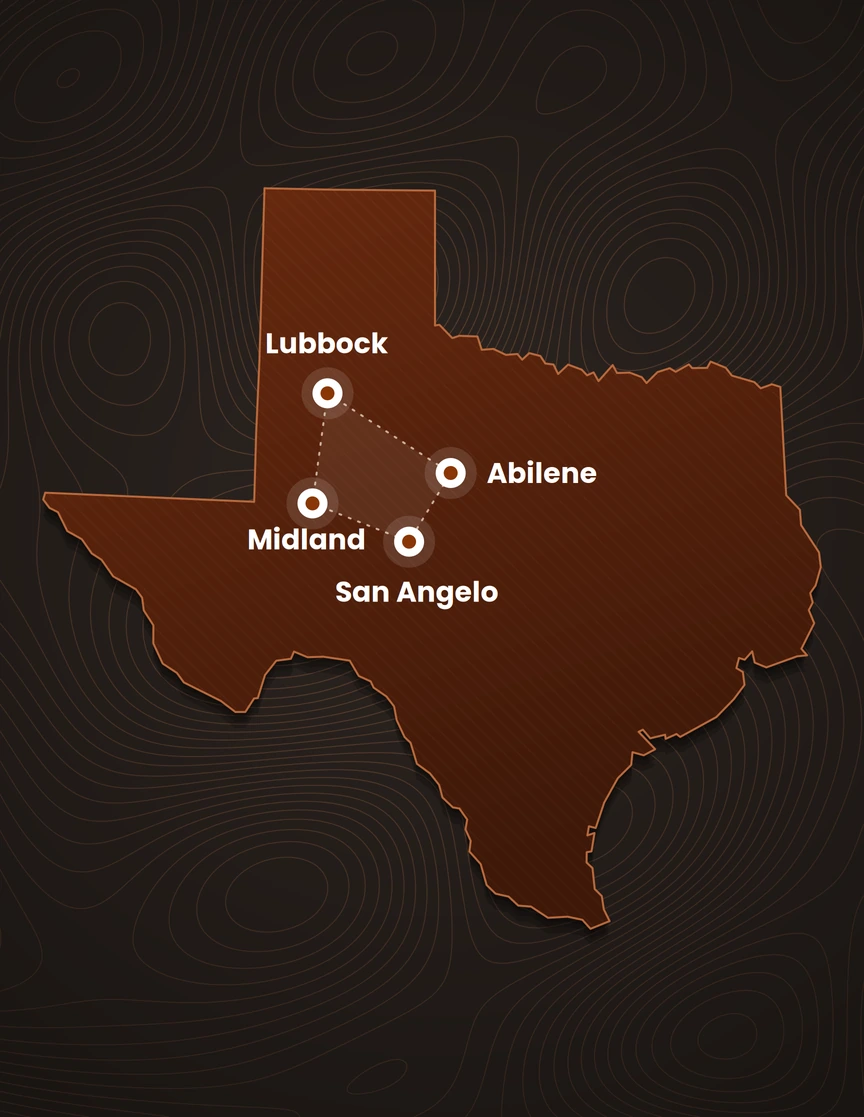
Our personal injury lawyers are proud to support victims across West Texas, including but not limited to the following cities:
Speak to a Lubbock Motorcycle Accident Attorney Today!
If you’ve been in a motorcycle accident, we get that it’s a tough time. You don’t have to face this alone—our Lubbock team is here to help. We understand how stressful it can be, and we’re ready to guide you through it all.
Contact us today to schedule your free case evaluation. Our attorneys can help provide legal representation to protect your rights and get the compensation that is rightfully owed to you.
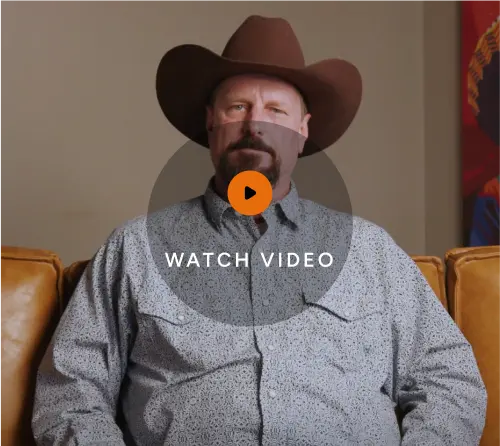
"Delivered an incredible victory!"
The relief was extraordinary! We will never be able to express our gratitude enough.
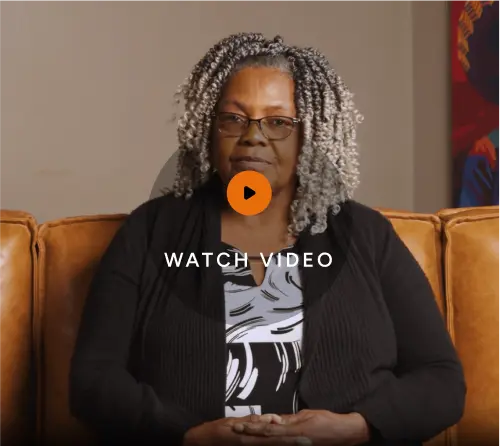
"Great, honest, and incredibly knowledgeable."
Russell is a top-notch person. Hands down will recommend him to anybody.
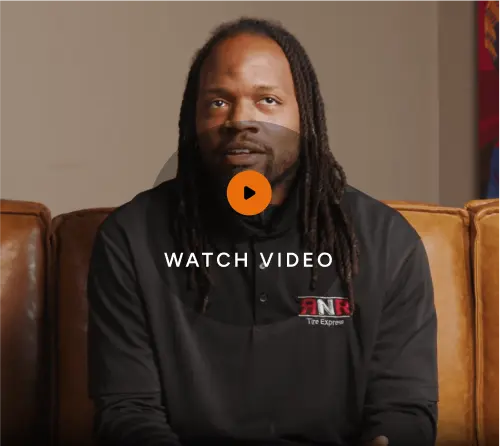
"Absolutely an amazing man, and an honest one at that."
This was absolutely the best defense experience I have ever had with an attorney.
We Are
West Texas Strong
Our commitment is to stand up for hardworking Texans who have been affected by truck accidents. Our team, rooted in humble beginnings, values hard work – with family histories of farmers, mechanics, laborers, firefighters, and servicemen. This heritage drives our dedication.
We deliberately choose not to represent corporations or the elite. Instead, we fight for everyday West Texans, often taking on big trucking companies and their insurers who try to short-change you. Our mission is to level the playing field, ensuring that you receive the justice and compensation you deserve.

Trey Keith
Founding Partner Meet Trey

Russell Lorfing
Founding Partner Meet Russell
&
3 Things you’ll get With Keith & Lorfing
A Lawyer Will Answer Your Calls & Emails
You’ll Be Informed About Your Case Every Step of the Way
You’ll Be Treated With Compassion & Respect
Ask Russell a Question
At No Cost To You!
We’re committed to being the best in the West! Proudly serving clients throughout Abilene, Lubbock, San Angelo, Midland & all of West Texas.