
San Angelo Motorcycle Accident Lawyers
When a car and a motorcycle collide, the rider takes the damage — even when the rider did nothing wrong. Then the insurance company tries to make it the rider’s fault.
At Keith & Lorfing, our San Angelo motorcycle accident lawyers know that playbook, and we build every case to beat it.
Contact us for a free consultation today
Do You Have a Case?
Most motorcycle claims come down to four elements. Here’s what each one means in practice and where the insurance company will push back.
- Duty of Care: Every driver on Texas roads owes riders the same duty they owe other cars: obey traffic laws, check mirrors and blind spots, and yield when required. A motorcycle is a vehicle with full rights to its lane.
- Breach of Duty: The driver broke that duty — by turning left in front of you, failing to yield, speeding, driving impaired, or texting. This is where the insurer starts its “rider came out of nowhere” story. That phrase is not a defense.
- Causation: The driver’s mistake has to have caused the crash and your injuries. Expect the defense to blame your speed, your lane position, or your visibility. We answer that with physical evidence: sightlines, damage patterns, skid marks, and vehicle data.
- Damages: You need real losses — medical bills, lost income, pain, and the ways your life has changed. With motorcycle crashes, these are rarely small. Your medical records need to match the mechanics of the impact, so the defense can’t call your injuries unrelated or exaggerated.
Here’s what most riders don’t realize: you don’t have to be blameless to have a case. Under Texas law, you can still recover as long as you are not more than 50% at fault. That’s why the fight over fault matters so much.
Damages You Can Recover After A Motorcycle Crash
A motorcycle injury claim usually includes two kinds of damages, and sometimes a third. Knowing the difference keeps you from being surprised at settlement.
- Economic Damages: The measurable losses — hospital and surgery bills, future care that is reasonably necessary, lost income now and later, out-of-pocket costs, and repair or replacement of your bike and gear.
- Non-Economic Damages: The human losses — pain, physical impairment, disfigurement from road rash or scarring, emotional distress, and the parts of daily life you can no longer do. If you can’t ride, work, or pick up your kids the way you used to, that counts.
- Punitive (Exemplary) Damages: In Texas, these are called exemplary damages. They are reserved for cases with clear and convincing proof of fraud, malice, or gross negligence — a drunk driver, for example. They punish the wrongdoer rather than repay you. Texas law generally caps them, but the cap can be lifted for certain crimes, including intoxication assault.
One thing that trips people up: the part of a recovery tied to medical expenses is not extra money. It reimburses the cost the injury created. Hospital bills, health-insurance reimbursement claims, and medical liens often have to be paid out of the settlement. That’s why we document non-economic losses just as carefully as the bills and why we work to reduce liens before the case closes.
Who Can You Hold Liable?
Finding every responsible party matters more in motorcycle cases than almost anywhere else. Texas only requires drivers to carry $30,000 in bodily injury coverage per person, which may not come close to covering a serious motorcycle injury. Here’s who may share responsibility:
- Car Drivers: The most common at-fault party, especially in left-turn and failure-to-yield crashes where the driver claims they “never saw” the rider.
- City Transportation Authorities: Potholes, loose gravel, and poorly maintained roads hit riders far harder than cars. The city or county responsible for upkeep may be liable.
- Bus Drivers: If a bus driver caused the crash, the driver’s employer or the bus company may be responsible.
- Truck Drivers: In a collision with a commercial truck, the driver and the trucking company may be liable. Vehicle data and any dashcam footage should be requested early, before it’s lost.
- Property Owners: A business or landowner who leaves debris, gravel, or obstructions near the roadway can be held accountable.
- Vehicle Component Manufacturers: Brake failures, tire defects, and other faulty motorcycle parts can make the manufacturer responsible.
- Government Agencies: When a public agency’s failure to keep roads safe contributes to a crash, it may be liable. Warning: claims against Texas government entities come with a strict written-notice deadline — six months under state law, and city charters can make it much shorter. Miss it and the claim can be lost for good.
How to Get in Touch With Us
The sooner we hear from you, the more evidence we can lock down — skid marks fade, bikes get repaired, and dashcam footage gets recorded over. Reach us either way:
- Phone: Dial (325) 480-8100 to connect with our skilled Midland injury attorneys and discuss your motorcycle accident case.
- Contact Form: Go to our website and complete the contact form to get a swift reply from our team.
Schedule a free consultation to explore your options and see how we can help you.
Keith & Lorfing: San Angelo Motorcycle Accident Lawyers
West Texas Tough isn’t a slogan for us. It’s how we work every case. We file the extra motions, chase the extra records, and keep digging when another firm would settle and move on.
Our mission is simple. Stand up for the hardworking people of West Texas. That means San Angelo and the communities around it, not just the big metro areas.
Our attorneys bring a combined 150+ years of experience and more than 500 jury trials. Our team also includes former federal prosecutors, so we know how the other side builds a case and how judges and juries actually weigh the evidence. When you hire us, you’re family, not a file number.
And we are trial lawyers first.
How Our San Angelo Motorcycle Accident Law Firm Can Help
We don’t dictate terms. We listen to what you need, then build the strategy around it. Here’s what that looks like on a motorcycle case:
- Case Evaluation and Qualification: We look at how the crash happened — another vehicle, a road defect, or a defective part — and give you a straight answer on whether you have a claim and what it’s likely worth.
- Recovering Lost Wages: If you can’t work, we document what you’ve lost so far and what you’ll lose going forward, including reduced earning ability if you can’t return to the same job.
- Medical Bills Assistance: We track every bill, from the ER to physical therapy, and deal with providers and medical liens. We also work to reduce those liens, because every dollar we cut from a lien is a dollar that stays with you.
- Property Damage: We pursue repair or replacement of your bike and your gear — helmet, jacket, boots, and anything else damaged in the crash. Riding gear is expensive, and it counts.
- Emotional Recovery: Pain, fear of getting back on a bike, scarring, and loss of the life you had before are real losses. We make sure they are documented and valued, not brushed aside.
- Negotiations with Insurance Companies: The insurer’s offer is not a verdict. It’s usually a spreadsheet full of assumptions — about fault, about your treatment, about your future. Our job is to challenge every one of them.
- Legal Representation in Court: If the insurer won’t be fair, we take your case to court. We are trial lawyers, and we prepare every case as if it’s going in front of a jury.
- Expert Testimony and Evidence Collection: We gather police reports, medical records, and witness statements, and we bring in experts — accident reconstructionists and medical specialists — to connect the crash mechanics to your injuries.
Important Initial Advice to Follow After Motorcycle Collisions
Two mistakes do more damage to motorcycle claims than anything else: losing evidence, and waiting too long to act. Meanwhile, the insurance company is already building its version of what happened.
Here’s how to protect yourself:
- Get medical care right away, even if you feel okay. Adrenaline can mask injuries, and gaps in treatment give an adjuster something to argue about. Keep records of every visit.
- Stay off social media about the crash. A photo of you smiling at a family dinner can be used to argue you aren’t really hurt.
- Don’t accept the first offer. Early offers usually come before anyone knows the full cost of your injuries.
- Watch what you say to insurers. Don’t admit fault, guess about your speed, or give a recorded statement before talking to a lawyer.
- Document the scene: photos of both vehicles, your final resting position, skid marks, road hazards, and the driver’s line of sight.
- Get witness names and phone numbers. Independent witnesses are one of the best answers to the “I never saw the motorcycle” defense.
- Keep every receipt for medical care, prescriptions, gear, and travel to appointments.
- Don’t fix or scrap your bike yet. The damage pattern can show exactly how the crash happened. Track any repairs only after the bike has been photographed and inspected.
- Talk to our San Angelo motorcycle accident attorneys early. These cases move quietly behind the scenes long before they feel real to you.
Deadlines to File a Personal Injury Claim
In Texas, you generally have two years from the date of the crash to file a personal injury lawsuit. If a city, county, or state agency may be at fault — for example, because of a dangerous road condition you may need to give written notice of your claim within six months, and some city charters require it even sooner.
But the legal deadline isn’t the one that usually hurts riders. The evidence deadline is. Witnesses forget, skid marks wear away, surveillance and dashcam footage get recorded over, and bikes get repaired or scrapped. By the time a case feels urgent to you, the best evidence may already be gone.
That’s why we move fast. Call us as soon as you can, and we’ll start preserving what matters.
Act as fast as you can—contacting our legal team as soon as possible ensures you don’t miss important deadlines and helps strengthen your case.
Gathering Evidence to Recover Compensation After Motorcycle Collisions
In our experience, the insurance company’s defense in a motorcycle case is usually some version of the same story: the rider was going too fast, was hard to see, or “came out of nowhere.” Those arguments lean on bias against riders, not facts.
A strong case is built with evidence that answers them directly:
- Police Documentation: The crash report records the officer’s initial findings, citations, and diagrams. If it gets something wrong, we can challenge it with physical evidence.
- Scene Photos and Video: Vehicle damage, road conditions, debris fields, and your injuries — taken as soon as possible.
- Lane Position and Sightlines: Where you were in the lane and what the other driver could see from their seat. This is often what proves the driver had time to see you.
- Damage Patterns: Where and how the vehicles were damaged can show the angle of impact and who moved into whose path. This is why your bike shouldn’t be repaired before it’s inspected.
- Black Box and Dashcam Data: Nearly all new passenger vehicles have an event data recorder that logs speed and braking in the seconds before a crash. Dashcams and nearby business cameras may show the whole thing. This data can be overwritten, so we act fast to preserve it.
- Eyewitness Statements and Contact Information: Independent witnesses are one of the strongest answers to a “didn’t see the motorcycle” defense. Get names and phone numbers before they leave.
- Medical Records That Match the Crash: Your treatment records should line up with the mechanics of the impact. When they do, the defense has a much harder time calling your injuries unrelated or exaggerated.
- Insurance Correspondence: Save every letter, email, and note from phone calls. Write down who you spoke with and when.
- Vehicle Repair Records: Repair estimates and invoices show the extent of the damage and support your property damage claim.
What Can I Expect to Pay?
Nothing up front. We take motorcycle cases on a contingency fee, which means you only pay us if we recover money for you.
Our fee is a percentage of what we recover, so we only do well when you do. We’ll also walk you through how medical bills and liens are paid out of a settlement, so you know what you’ll actually take home, not just the headline number.

Why Choose Us Over Other San Angelo Motorcycle Accident Lawyers?
Every case we take comes down to one thing: leveling the playing field for working Texans. Our roots are in mechanics, labor, firefighting, and military service. We know the people we represent because we come from the same places.
That matters in a motorcycle case. Riders face a bias before they ever get to court — the assumption that they were reckless or speeding. We don’t accept that story, and we don’t let insurance companies sell it to a jury. Whether we’re taking on the State of Texas or a multi-million-dollar insurer, we fight for people like us.
General Information on Motorcycle Accidents in San Angelo
Motorcycle cases are different from car cases. When a car and a bike collide, the rider takes nearly all the force, so injuries are more severe and the defense still tries to treat it like a minor wreck. Knowing the rules of the road helps you spot when an insurer is bending them.
Texas Motorcycle Laws
Here are the Texas rules that come up most often in motorcycle injury claims and how insurers try to use them:
- Helmet Use: Riders under 21 must wear a helmet. Riders 21 and older may ride without one if they have completed a state-approved motorcycle safety course or are covered by a health insurance plan that pays for motorcycle-accident injuries. Even when you rode legally without a helmet, expect the insurer to argue your head injuries would have been less severe. That argument doesn’t erase the other driver’s fault.
- Lane Splitting and Lane Filtering: Texas law bars riding between lanes of traffic moving in the same direction and passing a vehicle within its own lane, which covers both lane splitting and lane filtering. A 2025 bill to allow limited filtering died in committee. The same law also protects riders: you’re entitled to the full use of your lane, and drivers may not crowd you out of it.
- Protective Gear: Gloves, jackets, boots, and eye protection aren’t required for adult riders, but they reduce road rash and other injuries. If your gear was damaged in the crash, its cost is part of your claim.
- Motorcycle License: Riders need a Class M license, and new applicants must complete a state-approved motorcycle safety course first.
- Insurance Requirements: Texas requires motorcycle operators to carry liability insurance, just like car drivers.
Texas Insurance Requirements
Comparative Fault: Texas uses a modified comparative fault rule. You can recover damages as long as you are not more than 50% at fault, but your recovery is reduced by your share of the blame. That’s why insurers work so hard to pin fault on riders: every percentage point they shift onto you comes straight off your recovery — and if they get you past 50%, you get nothing.
Minimum Insurance Coverage: Texas requires the same minimum liability coverage for cars and motorcycles:
- Bodily Injury Liability: $30,000 per person, $60,000 per accident.
- Property Damage Liability: $25,000 per accident.
Here’s the problem: that minimum may not come close to covering a serious motorcycle injury. That’s why we look for every available source of coverage.
Uninsured/Underinsured Motorist (UM/UIM) Coverage: Optional, but often the most important coverage a rider has. It pays when the at-fault driver has no insurance or not enough. Texas insurers must offer it, and it applies unless you rejected it in writing — so check your policy before assuming you don’t have it.
Personal Injury Protection (PIP): Also optional and subject to the same written-rejection rule. PIP helps pay medical bills and lost wages no matter who was at fault.
Causes of Motorcycle Accidents
In 2025, TxDOT reported 8,932 motorcycle crashes in Texas that killed 557 riders and seriously injured 2,468 more. That’s more than one rider killed every day. TxDOT’s own safety messaging points to a familiar culprit: drivers turning in front of oncoming riders at intersections, because a motorcycle’s speed and distance can be hard to judge.
Hard to judge isn’t the same as impossible to see. Here’s what causes most of the crashes we handle:
- Driver Inattention: Distracted drivers, unchecked blind spots, and left turns across a rider’s path.
- Failure to Yield: Drivers pulling out of side streets, driveways, and parking lots — or merging into a lane a rider already occupies.
- Speeding: A speeding driver has less time to react and hits harder. (Expect insurers to raise speed against riders too, which is why vehicle data and reconstruction matter.)
- Impaired Driving: Alcohol and drugs slow reaction time and wreck judgment. Drunk-driving crashes may also support exemplary damages.
- Road Hazards: Potholes, gravel, debris, and uneven pavement that a car rolls over can throw a rider down.
- Unsafe Driving Around Riders: Tailgating, crowding a motorcycle out of its lane, and aggressive lane changes.
- Weather Conditions: Rain, fog, and slick roads demand more care from every driver around a motorcycle.
- Poor Road Maintenance: When a city or county fails to fix a known hazard, it may share responsibility — subject to the strict notice deadlines covered above.
Types of Injuries We See As Lawyers
Motorcycle injuries are rarely minor,but insurers still try to treat them like a fender bender. The way to stop that is medical evidence that matches the mechanics of the crash: how you were thrown, what you hit, and how that explains each injury.
Here are the injuries we see most often:
- Road Rash: Skin scraped away by pavement. Severe cases can require skin grafts and leave permanent scarring, which counts as disfigurement in your claim.
- Degloving: Skin and tissue torn away from muscle or bone. These injuries often need multiple reconstructive surgeries.
- Spinal Cord Injuries: Damage that can cause partial or complete paralysis and a lifetime of care needs.
- Head and Neck Injuries: Concussions, traumatic brain injuries, and fractures. Brain injury symptoms don’t always show up right away, so early documentation matters.
- Arm Injuries: Wrist, elbow, and shoulder fractures and soft-tissue damage that can limit movement and work.
- Leg Injuries: Fractures, crush injuries, and soft-tissue damage, often requiring surgery or long rehabilitation.
- Broken Bones: Fractures to ribs, pelvis, collarbone, and limbs, many requiring surgery and hardware.
- Amputation: Loss of a limb, either at the scene or after surgery, with lifelong costs for prosthetics and care.
- Paralysis: Loss of movement or sensation from spinal or neurological damage.
- Fatalities: When a rider is killed, the family may have a wrongful death claim.
Helping Motorcycle Accident Victims Across West Texas!
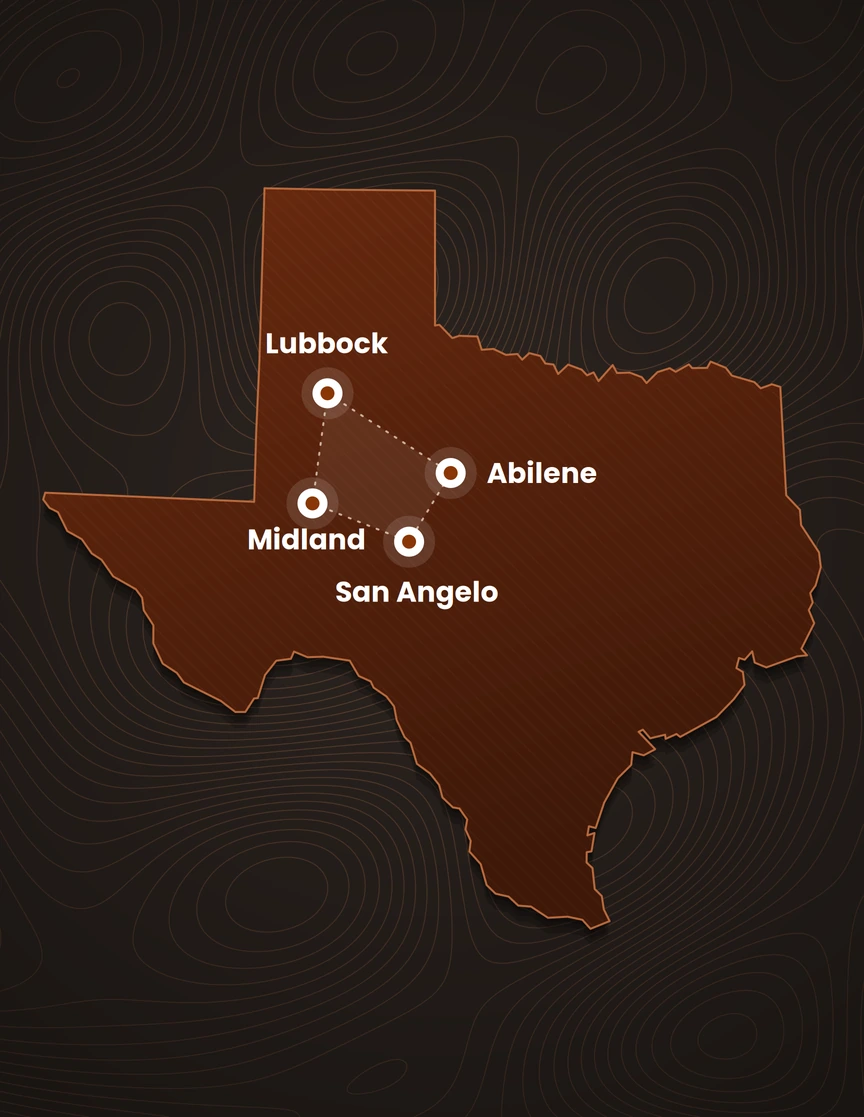
Our personal injury attorneys represent injured riders across West Texas — on city streets, farm-to-market roads, and the long highway stretches where a single crash can change everything.
We serve clients in communities including:
Speak to a Motorcycle Accident Lawyer in San Angelo, TX Today!
If you or someone you love was hurt in a motorcycle crash in San Angelo, the insurance company is already working on its version of what happened. Don’t let them write the story. The sooner we get involved, the more evidence we can preserve and the stronger your position will be.
Keith & Lorfing will take on the insurer, push back on the “didn’t see the motorcycle” excuse, and fight for full and fair compensation.
Contact us today for the support you need to recover full and fair compensation. You can schedule a free consultation with an accident lawyer from our firm.
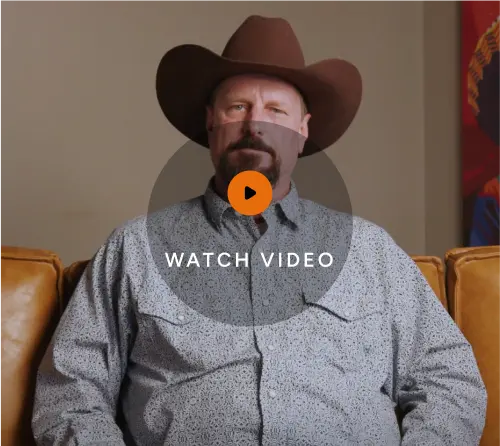
"Delivered an incredible victory!"
The relief was extraordinary! We will never be able to express our gratitude enough.
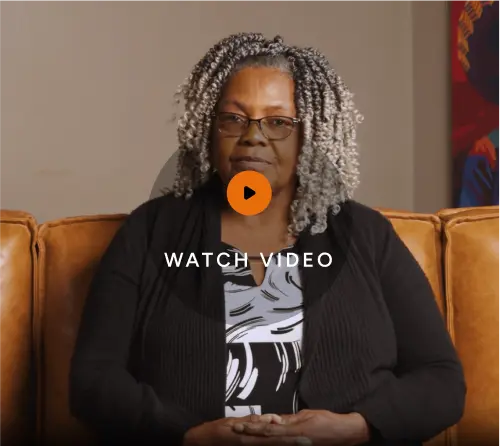
"Great, honest, and incredibly knowledgeable."
Russell is a top-notch person. Hands down will recommend him to anybody.
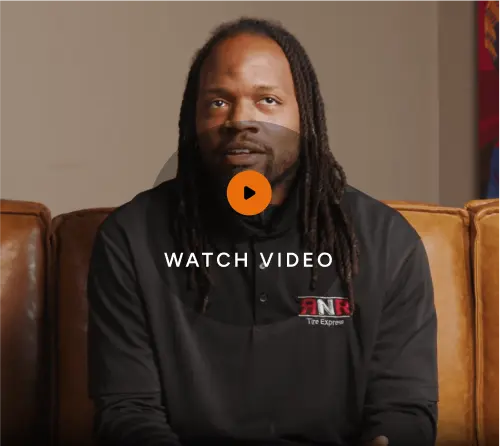
"Absolutely an amazing man, and an honest one at that."
This was absolutely the best defense experience I have ever had with an attorney.
We Are
West Texas Strong
Our commitment is to stand up for hardworking Texans who have been affected by truck accidents. Our team, rooted in humble beginnings, values hard work – with family histories of farmers, mechanics, laborers, firefighters, and servicemen. This heritage drives our dedication.
We deliberately choose not to represent corporations or the elite. Instead, we fight for everyday West Texans, often taking on big trucking companies and their insurers who try to short-change you. Our mission is to level the playing field, ensuring that you receive the justice and compensation you deserve.

Trey Keith
Founding Partner Meet Trey
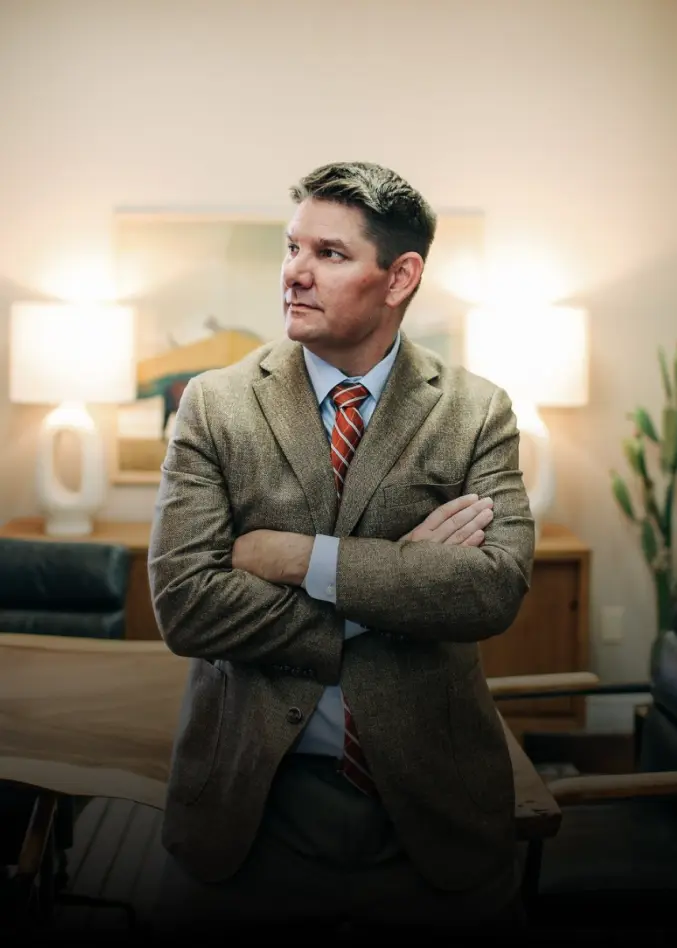
Russell Lorfing
Founding Partner Meet Russell
&
3 Things you’ll get With Keith & Lorfing
A Lawyer Will Answer Your Calls & Emails
You’ll Be Informed About Your Case Every Step of the Way
You’ll Be Treated With Compassion & Respect
Ask Russell a Question
At No Cost To You!
We’re committed to being the best in the West! Proudly serving clients throughout Abilene, Lubbock, San Angelo, Midland & all of West Texas.