Medical malpractice cases are among the most complex personal injury matters in Texas. They take longer than typical injury claims because Texas law builds in pre-suit notice periods, expert report requirements, and procedural hurdles that other cases do not face.
If you or a loved one was injured by a healthcare provider’s mistake, you deserve a clear timeline. Below is a complete breakdown of how Texas medical malpractice cases move, why they take as long as they do, and what you can expect from start to finish.
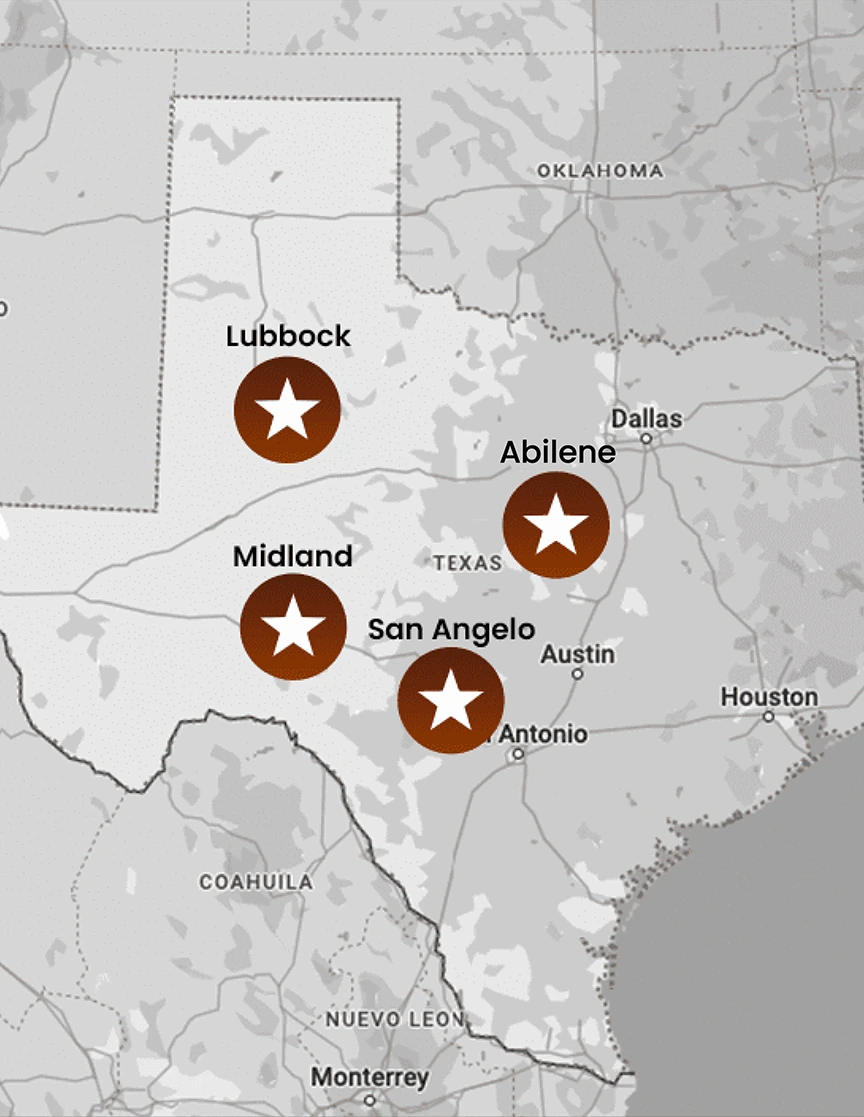
At Keith & Lorfing, our West Texas attorneys handle serious injury cases, including medical negligence. The information below explains how Texas malpractice timelines work in practice.
The Short Answer
Most Texas medical malpractice cases that settle take between 12 and 36 months, though timelines vary across different types of personal injury cases in Texas. Cases that go to trial often take 3 to 5 years or more.
Several factors push that range. Cases with severe injuries, contested liability, or multiple defendants tend to fall on the longer end. Cases with clear liability and a willing insurer can resolve more quickly.
Why Medical Malpractice Cases Take Longer Than Other Injury Cases
Texas has built specific procedural requirements into medical malpractice law. Each one adds time.
Statutory pre-suit notice. Texas law requires written notice to each healthcare provider at least 60 days before filing suit. The notice must be accompanied by a statutorily required medical authorization form.
Expert report requirement. Within 120 days of each defendant’s answer to the lawsuit, the plaintiff must serve a written expert report and curriculum vitae for each defendant. The report must address the standard of care, the breach, and the causal relationship between the breach and the injury.
Statutory damages caps. Texas caps non-economic damages in medical malpractice cases at $250,000 per defendant, with a separate cap for healthcare institutions. These caps shape settlement strategy.
High burden of proof. Plaintiffs must prove that the provider deviated from the accepted standard of care and that the deviation caused the injury. Both elements require qualified expert testimony.
Aggressive defense. Healthcare providers and their insurers fight malpractice claims hard. Most are insured under “consent to settle” clauses that require the doctor’s permission to settle.
These factors are why the timeline is longer, not why the case is unwinnable.
Phase 1: Investigation and Pre-Suit Workup (3-9 Months)
Before anything is filed, an extensive investigation must take place.
Medical record collection. Records from every provider involved must be gathered, often hundreds or thousands of pages. Hospital, clinic, imaging, lab, pharmacy, and follow-up records all matter.
Expert review. A qualified physician in the relevant specialty must review the records and form an opinion that the standard of care was breached and that the breach caused the injury. Texas requires this review before filing.
Damages workup. Past medical expenses, future care projections, lost wages, and lost earning capacity are calculated. Life-care planners are often involved in catastrophic cases. Similar damage calculations often arise in Texas bed sore lawsuit settlements, where long-term medical complications and ongoing care needs significantly affect case value.
Notice and authorization. A 60-day pre-suit notice and statutory medical authorization are sent to each healthcare provider.
This phase can take three to nine months depending on how complex the medical history is and how many providers are involved. Skipping or rushing this phase usually weakens the case.
Phase 2: Filing the Lawsuit and Expert Reports (4-9 Months)
Once notice has expired, the lawsuit is filed.
Petition. The case is filed in the appropriate county district court. Each defendant must be properly served.
Defendants’ answers. Defendants typically have 30 days or so to file an answer.
Chapter 74 expert report. Within 120 days of each defendant’s answer, the plaintiff must serve an expert report meeting Chapter 74 requirements. Defendants have 21 days to object to the report.
Court rulings on objections. If a defendant challenges the report, the court must decide whether the report is sufficient. The plaintiff may have an opportunity to cure deficiencies. Defendants may appeal an unfavorable ruling.
This phase can take four to nine months. A failed expert report ends the case, so this stage is heavily contested.
Phase 3: Discovery and Depositions (6-18 Months)
Once the case clears the expert-report phase, discovery begins in earnest.
Written discovery. Interrogatories, requests for production, and requests for admission are exchanged.
Document discovery. Provider files, internal incident reports, peer review materials (subject to limited privileges), policies and procedures, and communications.
Depositions. The injured patient, family members, treating physicians, defendant providers, hospital staff, and experts are deposed.
Independent medical examinations (IMEs). Defense doctors may examine the plaintiff.
Expert disclosures. Both sides identify and disclose their expert witnesses. Each side then deposes the other side’s experts.
Discovery in malpractice cases is heavy and slow. Six to eighteen months is typical. Catastrophic injury cases tend to fall at the longer end because future-care experts and economic experts add layers.
Phase 4: Mediation and Settlement Negotiations (1-4 Months)
Most Texas malpractice cases that settle do so in or near mediation.
Pre-mediation demand. The plaintiff sends a comprehensive settlement package summarizing liability, damages, and supporting medical and expert evidence.
Mediation. A neutral mediator hosts a structured negotiation. A typical mediation runs a full day.
Post-mediation discussions. Cases that do not settle at mediation often settle within weeks afterward as both sides absorb the mediation feedback.
Mediation timing depends on the court’s schedule and on how soon both sides have enough information to evaluate the case. The mediation phase itself is short, but reaching readiness can take months.
Phase 5: Trial Preparation and Trial (6-12+ Months If Needed)
If the case does not settle, it heads toward trial.
Pre-trial motions. Motions for summary judgment, Daubert challenges to experts, motions in limine, and other pre-trial work intensify.
Trial setting and continuances. Trial dates are routinely reset due to court congestion. A first trial setting that holds is the exception, not the rule.
Trial. Medical malpractice trials commonly run one to three weeks. Verdict comes at the end.
Post-trial motions and appeal. Either side can file post-trial motions and appeal an unfavorable verdict. Appeals can add one to three years.
Most cases settle before trial. The credible threat of trial is what drives strong settlements.
Phase 6: Settlement Funding and Distribution (1-3 Months)
After settlement, the case is not over.
Documentation. A settlement agreement and release are drafted, reviewed, and signed.
Lien resolution. Health insurance, Medicare, Medicaid, and ERISA liens must be identified, audited, and negotiated.
Distribution. Once liens are cleared, the firm prepares a settlement statement showing the gross settlement, attorney fees, expenses, and lien payments. The net amount is then distributed to the client.
Court approval (when required). Cases involving minors or incapacitated adults require court approval and structured settlement or registry deposits.
The funding-and-distribution phase typically takes 30 to 90 days. Cases involving Medicare or complex liens can take longer.
Factors That Make Texas Malpractice Cases Take Longer
Several specific factors extend timelines:
- Multiple defendants. Each provider’s insurer has its own decision-makers and “consent to settle” considerations.
- Catastrophic injuries. Future medical needs cannot be fully valued until the patient’s condition stabilizes.
- Birth injury cases. Often require years of follow-up to assess long-term outcomes for the child.
- Government providers. Claims against public hospitals or state-employed physicians involve the Texas Tort Claims Act, which has shorter notice deadlines but its own procedural hurdles.
- Disputes over expert reports. Chapter 74 fights can add months and survive interlocutory appeals.
- Court congestion. Larger county dockets in Texas regularly delay trial settings by a year or more.
- Aggressive insurance defense. Some carriers settle late by design.
Factors That Can Shorten the Timeline
Some factors can move a case faster:
- Clear, undisputed liability. Documented errors such as wrong-site surgery or retained surgical instruments push insurers to early settlement.
- Strong, early expert reports. A high-quality Chapter 74 report can pressure settlement before deep discovery.
- Limited insurance coverage. Cases against providers with low policy limits sometimes settle quickly when policy-limits demands are properly served.
- Cooperative defense counsel. Some firms move faster than others.
- Streamlined damages. Cases without future-care complexity move faster than catastrophic-injury cases.
Texas Statute of Limitations for Medical Malpractice
Texas generally requires medical malpractice claims to be filed within two years of the act, omission, or negligent course of treatment. There are important exceptions:
- Discovery rule. In limited cases, the deadline may run from the date the injury was, or should have been, discovered.
- Minors. Children under 12 have until their 14th birthday to file in many cases.
- Statute of repose. Texas has a 10-year absolute outer limit on most malpractice claims, regardless of when the injury was discovered.
These deadlines are technical and routinely litigated. Understanding how to file a malpractice lawsuit in Texas can help you avoid costly procedural mistakes.
What You Can Do to Help Your Case Move Faster
Patients and families can influence the timeline in a few ways:
- Get medical records into your attorney’s hands quickly. Sign the authorizations promptly.
- Continue treatment as recommended. Gaps in care complicate the timeline.
- Document the impact of the injury. Journals, photos, and family observations help.
- Stay in contact. Respond to your attorney’s questions and requests promptly.
- Avoid social media posts about the case. Defense investigators monitor these.
- Be patient through mediation. The first offer is rarely the best offer.
Texas medical malpractice cases reward patience and preparation, not speed. If you believe a healthcare provider’s mistake injured you or a loved one, call our West Texas attorneys at (325) 480-8100 or contact our Personal injury lawyer for a free consultation. We do not charge a fee unless we recover for you.
Frequently Asked Questions
How fast do Texas malpractice insurers settle?
Faster when liability is clear, the policy is limited, and the demand is well-documented. Slower when liability is contested or damages are disputed.
Why are pre-suit deadlines and expert reports required?
Texas adopted these requirements as part of tort reform to filter out cases that cannot be supported by qualified expert testimony.
Will my case settle or go to trial?
Most cases settle. The threat of trial is what makes settlement possible at full value.
Are damages capped in Texas?
Non-economic damages are capped against individual healthcare providers and separately against healthcare institutions. Economic damages such as medical bills and lost wages are not capped.
What if my malpractice case involves a public hospital?
Public hospitals are governed by the Texas Tort Claims Act, which has separate notice deadlines (often as short as six months) and lower damages caps. Acting quickly matters.
Can I switch attorneys mid-case?
Yes, although doing so adds time and complexity. The first attorney is generally entitled to recover earned fees and costs out of the eventual settlement.