Skip to content

There is no reliable “average” settlement for a herniated disc from a car accident in Texas. What a claim is worth depends on the facts of the case, and several factors influence the amount:
Several factors influence the settlement amount:
- Severity of injuries
- Type of medical care
- Treatment success
- Medical expenses
- Fault
- Impact on daily life
- Loss of income and earning capacity
Each case is unique, and consulting with an experienced personal injury attorney is best to accurately assess and pursue the compensation you deserve.

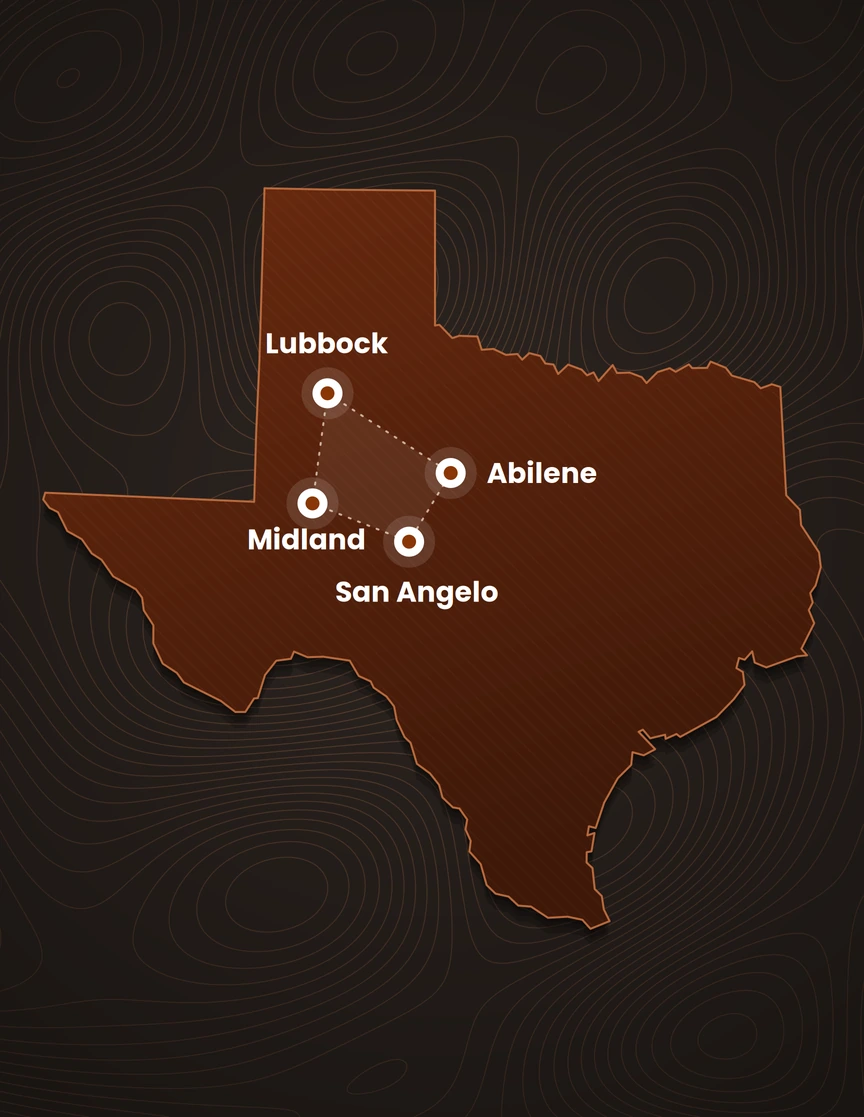
Suffering from a herniated disc after a car accident in Texas? Contact our Lubbock car accident lawyer to learn how we can help you maximize your herniated disc accident settlement.
Find out moreLegal advice for your herniated disc settlement value
Crash injuries are common in Texas. In 2025, TxDOT crash data shows 244,534 people were injured in Texas traffic crashes, including 17,420 who were seriously injured (data as of April 2026).
If you suffered a herniated disc in a Texas car accident, you may be entitled to compensation for medical bills, lost wages, and pain and suffering. To make a claim, you must:
- Be injured from the crash: Medical records are the main way to document your injury.
- File within the Texas statute of limitations: Texas generally allows two years from the date of the accident to file a personal injury lawsuit (Tex. Civ. Prac. & Rem. Code §16.003).
For personalized legal advice tailored to your situation, contact us today. We offer a free consultation to help you understand your options and fight for the compensation you deserve.
- Call us at (325) 480-8100
- Visit our Contact page for your herniated disc claim
Factors influencing a herniated disc auto accident settlement
The settlement for a herniated disc resulting from a car accident depends on several key factors. These factors determine your compensation for medical expenses, lost income, and other damages.
Below are the primary factors that influence settlement amounts:
Each factor below is shown through records. Keeping them organized makes the claim easier to evaluate.
1. Severity of Injuries
Mild cases may result in short-term pain or discomfort, while severe herniations can lead to chronic pain, mobility issues, or permanent disability. These differences directly affect the compensation awarded.
For example, a minor herniated disc requiring only physical therapy will generally have a lower settlement value than a case involving nerve damage or spinal surgery. Pain and suffering can be part of any injury claim, but severe cases often involve more of it because they can drastically impact a person’s quality of life.
2. Type of Medical Care
Treatments can range from conservative options like physical therapy to invasive procedures such as spinal injections or surgery. More extensive care often means a higher settlement value.
For instance, a person requiring epidural steroid injections and months of physical therapy will likely receive a higher payout than someone treated with over-the-counter medications. Additionally, future medical needs, such as ongoing therapy or corrective surgery, are factored into the settlement.
3. Treatment Success
Cases where treatment fully resolves the injury typically result in lower settlements compared to those involving incomplete recovery or ongoing symptoms.
For example, if a herniated disc causes chronic pain or limits mobility despite treatment, the victim may receive additional compensation for long-term care and diminished quality of life. Settlements for unsuccessful treatments often include compensation for future medical expenses and lost earning potential.
4. Medical Expenses
Medical expenses, including initial treatment, follow-up care, diagnostic tests, and prescriptions, directly affect the settlement value. More extensive treatment and a longer recovery period often mean a higher settlement.
For example, someone requiring an MRI, multiple doctor visits, and a year of physical therapy will have significantly higher medical costs than someone treated with a few physical therapy sessions. Accurate records of all medical expenses are essential for ensuring fair compensation.
5. Fault
The determination of fault is critical in Texas, which follows a modified comparative fault system. If the injured party is partially at fault, their compensation will be reduced by their percentage of fault.
For example, if a victim is awarded $100,000 but is found 20% at fault for the accident, they would receive $80,000. When fault is clear, as in many rear-end collisions, a claim can be easier to prove.
6. Impact on Daily Life
The impact of a herniated disc on the victim’s daily life is another key factor. This includes limitations on physical activities, inability to care for dependents or loss of enjoyment of life.
For instance, a parent unable to lift their child due to severe back pain may receive additional compensation for the emotional and physical toll of the injury. Evidence such as personal testimonies or expert evaluations helps quantify these non-economic damages.
7. Loss of Income and Earning Capacity
If a herniated disc prevents the victim from working, either temporarily or permanently, the settlement will include compensation for lost wages and diminished earning potential.
For example, a construction worker unable to perform physical labor due to back pain will likely receive a higher payout than an office worker who can continue working remotely. Documentation such as pay stubs and employer statements is necessary for proving lost income.
Additional reading:
arm pain after car accident
torn rotator cuff car accident settlement
More information on the average settlement for herniated disc car accident
Learning more about the potential settlement amounts for herniated disc injuries from car accidents in Texas involves considering various factors, including the injury’s severity, required medical treatments, and the impact on daily life.
Below are common herniated disc scenarios and what affects how each is evaluated:
Average Settlement for a Discectomy
A discectomy is surgery to remove all or part of a herniated disc (MedlinePlus). When a claim involves a discectomy, the costs of surgery, rehabilitation and related medical care are part of the damages. Factors such as the success of the procedure and any long-term effects can influence the final settlement.
C4-C5 Herniated Disc Settlement
A C4-C5 herniation is in the neck. Injuries at this cervical spine level can cause neck pain, reduced mobility and arm weakness, significantly affecting quality of life. Cases requiring surgery or involving nerve compression may be valued higher.
Herniated Disc and Pinched Nerve Settlement
A claim involving both disc herniation and nerve compression accounts for their combined impact, which can lead to severe pain and functional limitations. The need for surgery and the extent of nerve damage are critical factors.
When a herniated disc presses on a nerve root (radiculopathy, often called a pinched nerve), symptoms usually travel beyond the spine: pain, numbness or tingling from the neck into the arm and hand, or from the lower back into the buttock and leg, sometimes with weakness (MedlinePlus). On exam, a doctor may document objective findings such as changes in reflexes, muscle strength or sensation, or leg pain during a straight-leg raise test.
Imaging such as MRI can show where a disc is pressing on a nerve. EMG and nerve conduction studies are sometimes used to identify which nerve root is involved or to rule out other conditions (AAOS OrthoInfo). Not every case needs every test, and no single test sets the value of a claim. What helps is a record in which your symptoms, the exam findings and any testing your doctor orders are consistent and documented.
A strong record shows your symptoms, what the doctor found on exam and any testing your doctor ordered, and that they line up.
- Pain traveling from the neck into the arm and hand, or from the lower back into the buttock and leg
- Numbness or tingling
- Weakness in the arm, hand or leg
- Changes in reflexes
- Reduced muscle strength
- Changes in sensation
- Leg pain during a straight-leg raise test
- MRI or CT can show where a disc is pressing on a nerve
- EMG and nerve conduction studies may identify the nerve root involved or rule out other conditions
Herniated Disc Settlement Without Surgery
A settlement without surgery can still account for treatment like physical therapy, medications and follow-up care. It can also reflect ongoing pain, limited mobility, work disruptions and the long-term impact on daily activities and quality of life.
Whether you had surgery or conservative care such as physical therapy, medication or injections, the claim is evaluated on the medical record rather than the label. Only a small percentage of people with a lumbar herniated disc need surgery, and it is typically recommended only after nonsurgical treatment has not relieved symptoms or when there are serious nerve signs (AAOS OrthoInfo). A claim without surgery is not automatically minor. The key records are the treatment you received and how you responded, your doctor’s prognosis and any future care your doctor expects you to need, such as continued therapy, injections or a surgical referral. In Texas, recovery of past medical expenses is limited to the amounts actually paid or incurred (Tex. Civ. Prac. & Rem. Code §41.0105).
3-Herniated Disc Settlement
Three herniated discs can require more extensive treatment and disrupt daily life. These claims can account for medical costs, recovery time, lifestyle limitations and any reduced earning capacity or permanent physical restrictions related to the injuries.
Having two, three or four herniated discs does not by itself set what a claim is worth, and there is no per-disc formula. Disc changes are common on imaging even in people without symptoms: one large review found disc protrusions in 29% of 20-year-olds and 43% of 80-year-olds with no back pain (Brinjikji et al., 2015). Insurers may use this to argue that some levels were there before the crash.
What matters is what the records show: which levels a doctor connects to the crash, the documented impairment (pain, weakness, limits on work and daily activities) and the treatment each level needed. In Texas, proving that an accident caused a medical condition generally requires expert testimony unless the link is within jurors’ common knowledge (Guevara v. Ferrer, 247 S.W.3d 662 (Tex. 2007)), so a treating doctor’s causation opinion often carries weight. If more than one level was injured, our Abilene car accident lawyer can review how your records connect each one to the crash.
L5-S1 Injury Settlement
An L5-S1 herniation is at the base of the lower back. Injuries at this lumbar spine level can cause lower back pain and sciatica, affecting mobility and daily activities. The need for surgical intervention and the injury’s impact on employment are key considerations.
4-Herniated Disc Settlement
Four herniated discs may require more extensive medical treatment and can lead to long-term limitations. The severity of the injuries and their effect on your quality of life are critical in evaluating the claim. As with three discs, the number of levels alone does not set the value.
Let our San Angelo car accident lawyer help you secure the settlement you deserve after a car accident case in Texas.

How to maximize a car accident herniated disc settlement
From gathering evidence to consulting an experienced attorney, taking the right actions helps protect the compensation you deserve.
Follow these steps to maximize your settlement effectively.
- Seek immediate medical attention: Visit a doctor right after the accident to diagnose your herniated disc. Prompt treatment helps document your injury and connect it to the crash.
- Gather detailed evidence: Collect accident reports, medical records, and photos of vehicle damage. Strong evidence supports your claim and helps build a compelling case for compensation.
- Consult with an experienced attorney: A personal injury lawyer from our team will assess your case, calculate your damages, and negotiate with insurers to secure the best possible settlement.
- Track all expenses: Document medical bills, physical therapy costs, and lost wages. Comprehensive records help show the full financial impact of your injury.
- Avoid early settlement offers: An early offer may not reflect future medical needs. Consult with our attorney team before accepting any offer.
- Demonstrate long-term impact: Show how the injury affects your daily life or ability to work. Clear evidence of ongoing issues can increase your settlement value.
Texas car accident laws affecting a car accident settlement for a herniated disc
Texas car accident laws directly impact how much compensation you can receive for a herniated disc. Here’s how these laws work and how they can affect your settlement.
Deadlines, fault and insurance rules can matter as much as the injury itself.
2 years
to file a personal injury lawsuit in most cases
Civ. Prac. & Rem. Code §16.0036 months
for written notice of a claim against a government unit, or sooner under some city charters
Civ. Prac. & Rem. Code §101.101Over 50%
at fault and you recover nothing; at 50% or less, recovery is reduced by your share
Civ. Prac. & Rem. Code §33.001$30,000
minimum liability coverage per injured person ($60,000 per crash)
Transp. Code §601.072$2,500
in personal injury protection (PIP) unless rejected in writing, paid regardless of fault
Ins. Code §§1952.152–.155Paid or incurred
is the limit on recovery of past medical expenses
Civ. Prac. & Rem. Code §41.0105No-Fault/Comparative Fault
Texas uses a modified comparative fault rule, meaning you can still get compensation if you’re partially at fault, as long as you’re not more than 50% responsible. However, your settlement will be reduced by your percentage of fault (Tex. Civ. Prac. & Rem. Code §§33.001, 33.012).
For example, if you’re awarded $50,000 but are found 20% at fault, you’ll only get $40,000. If you’re more than 50% at fault, you won’t get any compensation. Evidence like police reports, witness statements, and photos helps prove your claim and minimize fault.
Texas is not a no-fault state. The at-fault driver’s liability insurance generally pays for the injuries they cause, although personal injury protection (PIP) on your own policy pays benefits regardless of fault (Tex. Ins. Code §1952.155).
Statute of Limitations
You have two years from the date of the accident to file a personal injury lawsuit in Texas (Tex. Civ. Prac. & Rem. Code §16.003). If you don’t file within this time, you can lose your right to sue, though limited exceptions exist. If a government vehicle was involved, written notice of the claim may be due within six months, or sooner under some city charters (§101.101).
For instance, waiting too long could make it harder to gather evidence or track down witnesses. Filing your claim quickly gives your attorney time to build a strong case and ensures you meet the deadline.
Mandatory Insurance Coverages
Texas law requires drivers to carry minimum liability insurance coverage (Tex. Transp. Code §601.072):
- $30,000 for injuries per person
- $60,000 for injuries per accident
- $25,000 for property damage
If the at-fault driver doesn’t have enough insurance, you can use your Uninsured/Underinsured Motorist (UM/UIM) coverage if it’s part of your policy. Texas insurers must include UM/UIM coverage unless you rejected it in writing (Tex. Ins. Code §1952.101). For example, if your damages are $50,000 but the other driver’s insurance only covers $30,000, your UIM coverage can pay the remaining $20,000, up to your policy’s UIM limit (§1952.106).
Damage Caps
Texas doesn’t cap economic or non-economic damages, like medical bills or pain and suffering, in most car accident cases. Claims against government entities are different: the Texas Tort Claims Act limits liability for bodily injury to $250,000 per person for the state and cities and $100,000 per person for other local government units (Tex. Civ. Prac. & Rem. Code §101.023).
Punitive (exemplary) damages require clear and convincing proof of fraud, malice or gross negligence (§41.003). They are generally capped at the greater of $200,000 or twice the economic damages plus non-economic damages up to $750,000 (§41.008).
For example, if a driver caused the accident while drunk, punitive damages might be sought. The cap does not apply when punitive damages are based on certain felonies, including intoxication assault and intoxication manslaughter.
Police Reports and Evidence
Texas law requires drivers to immediately report a crash to police if anyone is injured or killed or a vehicle can’t be driven normally and safely (Tex. Transp. Code §550.026). Officers who investigate must file a written report when a crash causes injury, death or apparent property damage of $1,000 or more (§550.062). You can order a copy from TxDOT’s crash report portal. A police report is critical for showing what happened and who was at fault.
For instance, if the report states the other driver rear-ended you, this strengthens your case. Without a police report, proving fault could be harder, which might lower your settlement.
Medical Documentation
Tests like MRIs and doctor’s notes help document the injury and show how serious it is. For example, if you need surgery for your herniated disc and have detailed records, you’re more likely to get a higher settlement than if your injury isn’t well-documented. Keep all records to support your claim.
The legal process for a herniated disc in a car accident settlement claim
Filing a settlement claim for a herniated disc after a car accident involves several important steps. Here’s a straightforward overview of the legal process:
- Seek medical evaluation immediately: Visit a doctor to assess the severity of your injuries. Medical records will link your herniated disc to the accident and support your case.
- Report the accident: File a police report and notify your insurance company. These records are critical for establishing negligence and providing evidence for your herniated disc case.
- Consult an accident lawyer: An experienced attorney from our firm will evaluate your case, gather evidence, and handle negotiations with insurance companies to ensure you receive fair compensation.
- Collect and organize evidence: Gather medical reports, imaging of the vertebra affected, accident reports, and witness statements. Strong evidence shows the impact of the injury and supports your claim.
- Determine negligence: Prove that the at-fault party’s actions caused the accident and your injuries. Negligence plays a key role in securing a settlement in your favor.
- Negotiate with insurance companies: Our lawyers will handle discussions with insurers, ensuring the settlement reflects the severity of your injuries and covers medical expenses, lost wages, and pain and suffering.
- File a lawsuit if necessary: If negotiations fail, your attorney may take the case to court. This step may be needed when a fair settlement can’t be reached.
A herniated disc from a car accident case in Texas can lead to significant medical costs and pain. Contact our Midland car accident lawyer today to fight for the settlement you deserve.
Find out moreHow our experienced Texas personal injury lawyers can help
At Keith & Lorfing, we understand the challenges you’re going through—physically, emotionally, and financially. Our team is dedicated to helping you get the compensation you deserve while you focus on healing.
We’ll handle every detail of your case, from gathering evidence and negotiating with insurance companies to ensuring your settlement reflects the severity of your injuries. Whether it’s proving negligence, managing medical expenses, or addressing lost wages, we’ll fight to protect your rights and secure a fair outcome.
Let us take the legal burden off your shoulders. Contact us today for a free consultation and personalized advice tailored to your case.
- Call us at (325) 480-8100
- Visit our Contact page
We’re here to help you move forward with confidence and peace of mind.
Contact Our Team
If a herniated disc from a car accident is affecting your work, sleep or daily routine, you don’t have to sort out the claim alone. Every case depends on the medical records and the facts, and a short conversation can tell you where you stand.
Our team offers free consultations, and you don’t pay attorney’s fees unless we win.
Selected Google review excerpts.
Back and neck injury claims depend on medical records, bills and clear updates. Here is what car accident clients say about working with our team.
“…Matt, made the entire process following my accident so much easier to navigate. Between the personal injury claim and dealing with medical bills, they handled everything professionally, efficiently, and kept things moving smoothly.…”
“After my car accident, Drake Kube at Keith and Lorfing Law Firm made a stressful situation much easier. Drake was professional, supportive, and took the time with me to explain the process so I could understand it.…”
“I can’t thank Matt and the team at Keith & Lorfing enough for their amazing support after my husband’s car accident.… He worked hard to get us the compensation we needed, allowing us to focus on healing.…”
Every case is different, and past results do not guarantee a similar outcome.
Frequently Asked Questions
How much is a herniated disc from a car accident worth in Texas?
There is no set amount. Value depends on the factors covered above, including the treatment you needed, how well you recovered, your medical bills and lost income, how the injury affects daily life and whether you share any fault. Texas reduces recovery by your percentage of fault and bars it if you are more than 50% responsible (Tex. Civ. Prac. & Rem. Code §33.001), and past medical expenses are limited to amounts actually paid or incurred (§41.0105). No one can promise a particular result.
Can a car accident cause a herniated disc?
Yes. A disc can herniate or rupture from injury or strain (MedlinePlus). Whether your crash caused your herniation is a medical question, and in Texas it is usually proven with a doctor’s opinion (Guevara v. Ferrer).
What if I already had back problems or degenerative disc disease?
A prior condition does not automatically end a claim, but insurers may raise it. Texas juries are often instructed not to award damages for a condition that existed before the crash except to the extent the crash aggravated it (Anantasomboon v. Waggoner, Tex. App.—Dallas 2024). Records from before and after the crash, and a doctor’s opinion on what changed, matter here.
Do I need surgery or an MRI to have a herniated disc claim?
No. Only a small percentage of people with a lumbar herniated disc need surgery (AAOS OrthoInfo), and a claim is evaluated on the full medical record: symptoms, exam findings, treatment and any testing your doctor orders. An MRI can show where a disc is herniated, but no single test decides the value of a claim.
Will my own car insurance pay my medical bills?
It may. Texas auto liability policies must include personal injury protection (PIP) unless you rejected it in writing. The required coverage is $2,500 per person, and PIP benefits are paid regardless of who caused the crash (Tex. Ins. Code §§1952.152, 1952.153, 1952.155). Check your policy for the amount you have.
How long do I have to file a herniated disc claim in Texas?
Generally two years from the date of the crash to file a lawsuit (Tex. Civ. Prac. & Rem. Code §16.003). If a government vehicle was involved, written notice of the claim may be due within six months, or sooner under some city charters (§101.101). It is best to talk to a lawyer well before these deadlines.