Skip to content
After a crash, you may be dealing with pain, missed work, medical appointments, and a damaged vehicle. At the same time, one or more insurance companies will open claim files and begin collecting information.
An adjuster may sound friendly and helpful. That does not make the adjuster your adviser: the adjuster works for the insurance company and evaluates what the policy may require it to pay.
You can protect yourself without being rude or dishonest. Give accurate information, preserve evidence, meet your own policy duties, and understand what a release would end before you sign it.
If the insurance company has already made an offer and you are not sure whether it is fair, read our guide on how to respond to a lowball insurance offer in Texas before signing a release or accepting payment.
What an insurer may do after a crash
No two claims follow the same schedule. Still, insurers commonly take several early steps:
Texas auto claims · first-party and third-party
An adjuster may sound friendly and helpful. That does not make the adjuster your adviser: the adjuster works for the insurance company and evaluates what the policy may require it to pay.
01 Opens a claim file
The company assigns a claim number and an adjuster.
Track every communication. Keep the adjuster’s name, claim number, email address, requests, responses, and dates.
02 Contacts drivers and witnesses
The adjuster may ask how the crash happened, whether anyone was hurt, and where the vehicles are located.
Confirm basic facts if you choose. Ask for the adjuster’s requests in writing. Report promptly to your own carrier and cooperate as your policy requires — those duties are different.
03 Requests a recorded statement
The insurer may ask to record your description of the crash and your injuries.
You do not have to assume an immediate recorded statement is required by the other driver’s carrier. Be truthful, but do not guess about speed, distance, or injuries.
04 Asks about your health
Questions about symptoms, treatment, and any gaps between appointments.
Describe current symptoms accurately. If you do not yet know the full extent of an injury, say so. Keep appointments when reasonably possible, and record what caused any delay.
05 Requests records and an authorization
Medical bills, treatment records, wage information, and a signed medical authorization.
Read the scope, dates, and providers on the form. A broad authorization may reach records that have nothing to do with the crash. Keep copies of what you send.
06 Evaluates fault and coverage
The insurer reviews available evidence and the terms, limits, and exclusions in the policy.
An adjuster’s responsibility percentage is a negotiation position, not a court judgment. Ask about any request that appears unrelated or duplicative.
07 Discusses settlement
An offer may arrive before the full course of treatment or the amount of future loss is known.
Ask what claims and parties the release covers. Consider known bills, future care, lost income, liens, available coverage, and disputed fault before deciding.
Before you sign or post
Read before signing.
Do not sign a medical authorization, property-damage document, or release you do not understand.
Separate the claims.
Confirm in writing whether a payment resolves only the vehicle claim or also the injury claims.
Stay off social media.
Privacy settings do not guarantee that a post will stay out of a claim.
Document the loss.
Bills, explanations of benefits, receipts, pay records, missed shifts, employer verification.
A release ends it
A settlement can be appropriate in some cases, but signing a release usually ends the covered claims. There is no reliable formula that tells you whether an early offer is fair.
Early information can affect later decisions about fault, medical causation, and damages. Be truthful, but do not guess about speed, distance, injuries, or facts you do not remember.
How to respond to common insurance requests
A call from the other driver’s insurer: Confirm basic facts if you choose, but do not assume you must immediately give a recorded statement after a Texas car accident. Ask for the adjuster’s name, claim number, email address, and requests in writing before answering detailed questions about fault, speed, distance, or injuries.
A call from your own insurer: Report the crash promptly and cooperate as your policy requires. Your duties to your own carrier may be different from your duties to the other driver’s carrier.
Questions about your health: Describe current symptoms accurately. If you do not yet know the full extent of an injury, say so instead of guessing.
A medical authorization: Read the scope, dates, and providers covered by the form. A broad authorization may reach records that have nothing to do with the crash.
A settlement offer: Ask what claims and parties the release covers. Consider known bills, future care, lost income, liens, available coverage, and disputed fault before deciding. If the amount seems unusually low, our guide to lowball insurance offers after a Texas accident explains why insurers may make early offers and what to review before accepting one.
Repeated document requests: Keep copies of what you send and note the date. Ask the adjuster to explain any request that appears unrelated or duplicative.
Questions about treatment gaps: Keep appointments when reasonably possible. If work, transportation, cost, or another problem causes a delay, keep a record of it.
Social media review: Do not post about the crash, your health, or your activities. Privacy settings do not guarantee that a post will stay out of a claim.
A settlement can be appropriate in some cases, but signing a release usually ends the covered claims. There is no reliable formula that tells you whether an early offer is fair.
Which Texas insurance deadlines apply?
The source of the claim matters. A first-party claim is one you make under your own policy, such as a collision, personal injury protection (PIP), or uninsured/underinsured motorist (UM/UIM) claim. A third-party claim is one you make against another person’s liability coverage.
The Texas Department of Insurance’s auto insurance guide explains that the prompt-payment deadlines do not apply when the other driver’s insurer is paying the claim. Do not confuse a third-party adjuster’s internal target date with a legal deadline.
Tex. Ins. Code Ch. 542 & Ch. 1952 · Tex. Civ. Prac. & Rem. Code § 16.003
Do not stop after the other driver’s liability policy
Liability coverage
Texas law generally requires at least $30,000 for bodily injury to one person, $60,000 per crash, and $25,000 for property damage.
UM / UIM coverage
May apply when the responsible driver has no insurance or not enough — subject to the policy, proof of entitlement, limits, and deductibles.
PIP coverage
Can pay covered medical expenses and part of covered lost income without deciding who caused the crash. Included unless a named insured rejected it in writing.
Collision coverage
May pay for covered damage to your vehicle even while fault is disputed.
Request the declaration page and any signed rejection form from your carrier, including a household policy when appropriate. The policy language — not the name of the coverage alone — controls what is covered.
The prompt-payment law runs on your own policy
First-party · your own policy · Ch. 542
15 daysAfter notice
Acknowledge the claim, begin an investigation, and request what it reasonably believes it needs. An eligible surplus-lines insurer gets 30 business days.
15 bus. daysAfter information
Accept or reject the claim, or explain why more time is needed. When the extension applies, generally up to 45 additional days to decide.
5 bus. daysAfter accepting
Pay the claim, subject to any act the claimant must perform before payment.
Third-party · the other driver’s insurer
NonePrompt-payment
TDI’s auto insurance guide explains that the prompt-payment deadlines do not apply when the other driver’s insurer is paying the claim.
Not a deadlineAdjuster target dates
Do not confuse a third-party adjuster’s internal target date with a legal deadline.
The driverNot the insurer
Generally an injured person cannot sue the liability insurer directly until the responsible party’s liability is established by agreement or judgment.
Chapter 542 can impose statutory interest and attorney’s fees when an insurer violates the prompt-payment law. Special rules and exceptions can change the calculation.
2 years · § 16.003
Generally to file a personal injury lawsuit; a wrongful death action generally within two years after the death. Insurance negotiations do not automatically extend the filing deadline.
6 months · government claims
The Texas Tort Claims Act generally requires notice within six months, subject to an actual-notice provision — and a city charter or ordinance may set a shorter valid period.
Deadlines for many first-party claims
For claims covered by Chapter 542 of the Texas Insurance Code, the insurer generally must:
Within 15 days after notice: Acknowledge the claim, begin an investigation, and request the items it reasonably believes it needs. An eligible surplus-lines insurer receives 30 business days.
Within 15 business days after receiving required information: Accept or reject the claim, or explain why it needs more time. When the extension applies, the insurer generally has up to 45 additional days to decide.
Within five business days after accepting the claim: Pay the claim, subject to any act the claimant must perform before payment.
Chapter 542 can impose statutory interest and attorney’s fees when an insurer violates the prompt-payment law. Special rules and exceptions can change the calculation, so missed dates should be reviewed in the context of the policy and the type of claim.
UM/UIM claims require extra care. Payment depends on whether the insured is legally entitled to recover from the uninsured or underinsured driver and the amount of covered damages; a notice letter alone does not necessarily establish that entitlement. The Texas Supreme Court discussed available procedures in Allstate Insurance Co. v. Irwin.
Why a claim usually proceeds against the driver
The other driver’s insurer may investigate and negotiate the claim, but the insurer did not cause the crash. In Texas, the general rule is that an injured person cannot sue the responsible party’s liability insurer directly before the responsible party’s liability has been established by agreement or judgment.
The Texas Supreme Court applied that rule in In re Essex Insurance Co.. Exceptions and separate coverage disputes exist, but a typical crash lawsuit names the allegedly responsible driver or business—not its liability insurer.
If a lawsuit is filed, the liability policy may require the insurer to defend its insured. Whether the insurer must pay a judgment depends on the policy, coverage, limits, and applicable law.
Check every available source of coverage
Do not stop after finding the other driver’s liability policy. Review the declaration pages for every potentially applicable auto policy, including a household policy when appropriate.
Texas insurers generally must offer UM/UIM and PIP coverage. A named insured may reject either coverage in writing under Chapter 1952 of the Texas Insurance Code.
Liability coverage: Texas law generally requires at least $30,000 for bodily injury to one person, $60,000 for bodily injury in one crash, and $25,000 for property damage. These limits are often called 30/60/25.
UM/UIM coverage: This may apply when the responsible driver has no insurance or not enough insurance, subject to the policy, proof of entitlement, limits, and deductibles.
PIP coverage: This can pay covered medical expenses and part of covered lost income without deciding who caused the crash. Texas policies generally include at least $2,500 per person unless a named insured rejected PIP in writing.
Collision coverage: This may pay for covered damage to your vehicle, less the deductible, even while fault is disputed.
Request the declaration page and any signed rejection form from your carrier. The policy language—not the name of the coverage alone—controls what is covered.
Why medical billing records matter
Medical damages are not proved by submitting a stack of invoices alone. Texas Civil Practice and Remedies Code Section 41.0105 limits recovery of medical or health care expenses to amounts actually paid or incurred by or for the claimant.
That is why adjusters may request itemized bills, payment histories, insurance adjustments, and explanations of benefits. Those records help show what was charged, adjusted, paid, and still owed.
Hospital liens, health-plan reimbursement rights, Medicare or Medicaid interests, and unpaid provider balances can also affect a client’s net recovery. They should be identified before settlement because a settlement does not automatically erase them.
How comparative responsibility affects recovery
Texas follows a modified comparative-responsibility rule. Under Section 33.001, a claimant who is more than 50% responsible may not recover damages.
When the claimant is 50% responsible or less, the court generally reduces recoverable damages by that percentage. For example, $200,000 in damages reduced by 20% responsibility would leave $160,000 before applying policy limits, liens, fees, costs, or other adjustments.
Fault evidence can include vehicle positions, photographs, video, witness statements, physical evidence, and testimony. An adjuster’s percentage is a negotiation position, not a court judgment.
How to obtain and use the Texas crash report
An investigating officer may prepare a Texas Peace Officer’s Crash Report, commonly called a CR-3, for a reportable crash. It can provide driver and insurance information, a diagram, witness information, citations, and the officer’s account.
You can order available reports through TxDOT’s Crash Records Information System. TxDOT currently lists the price as $6 for a regular copy and $8 for a certified copy, plus any applicable processing fee.
Access to unredacted reports is limited by Transportation Code Section 550.065. A crash participant, authorized representative, vehicle owner, insurer, or another person listed in the statute may qualify.
A CR-3 is a useful starting point, not automatic proof of fault. Review names, vehicles, directions of travel, insurance details, witness information, and the diagram; request a correction from the investigating agency if an objective fact is wrong.
A practical checklist for the first month
If another driver caused the crash, our guide on what to do after a car accident that was not your fault explains the immediate steps that can help protect your health, evidence, and insurance claim.
Get appropriate medical care: Follow the treating provider’s instructions and report new or changing symptoms.
Report the crash: Notify your insurer within the time and manner required by the policy.
Preserve the scene evidence: Save photographs, video, dashcam files, damaged property, and witness contact information.
Protect digital evidence: Download electronic files before they are overwritten or deleted.
Review insurance documents: Obtain declaration pages, endorsements, limits, deductibles, and any PIP or UM/UIM rejection forms.
Order the crash report: Check it for objective errors and missing witness information.
Track all communications: Keep the adjuster’s name, claim number, email, requests, responses, and dates.
Document financial loss: Save medical bills, explanations of benefits, receipts, pay records, missed-shift records, and employer verification.
Read before signing: Do not sign a medical authorization, property-damage document, or release that you do not understand.
Separate the claims: Confirm whether a property-damage payment resolves only the vehicle claim or also includes injury claims.
Talk to a West Texas trial lawyer
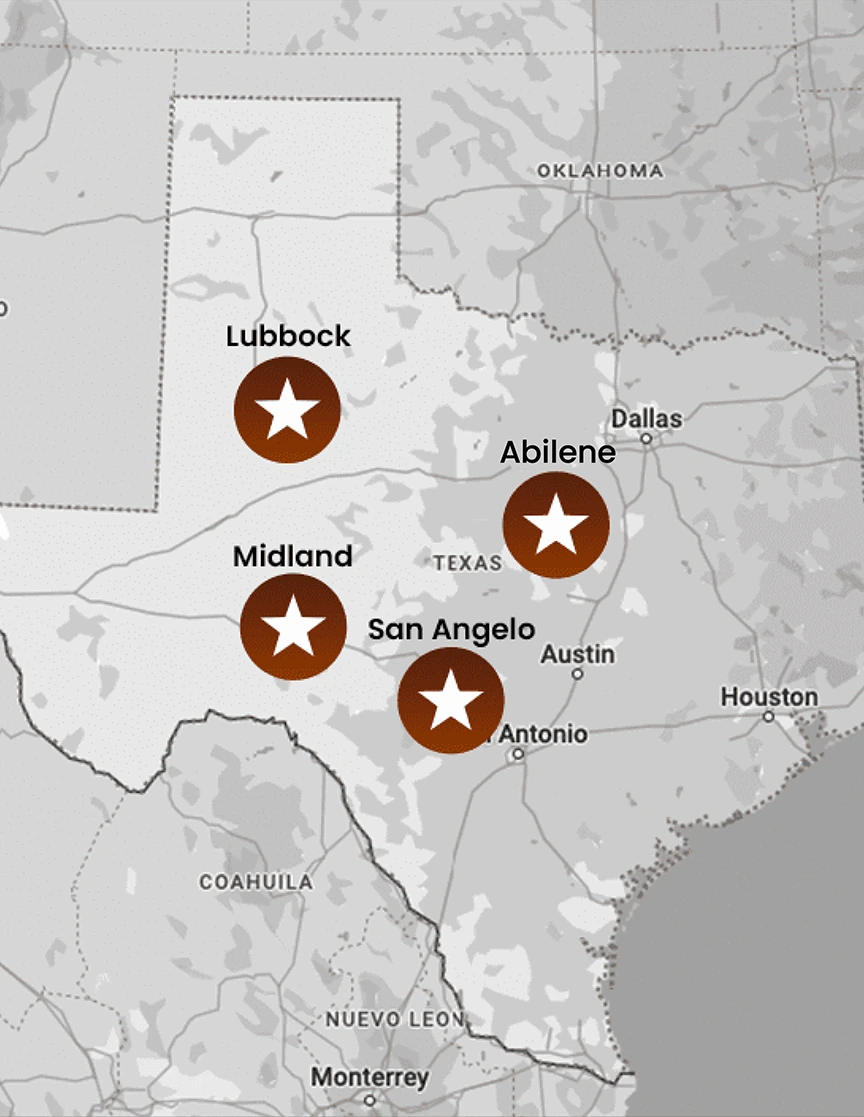
Keith & Lorfing represents injured people across West Texas from offices in Abilene, Lubbock, Midland, and San Angelo. Our team has more than 75 years of combined experience and more than 500 jury trials, and it includes former state and federal prosecutors.
For a free consultation, call Keith & Lorfing at (325) 480-8100. We can review the crash, the available policies, and the deadlines that may apply to your case.
Frequently asked questions
Do I have to give the other driver’s insurer a recorded statement?
Usually, you do not have a contract with the other driver’s carrier that requires a recorded statement. You may provide basic information and ask the carrier to put further questions in writing.
Your own policy may require notice, cooperation, a statement, or an examination under oath. Do not ignore your insurer’s request; review the policy and get advice if you are unsure about its scope.
Does an early offer mean the insurer admits fault?
No. An offer may reflect disputed liability, limited information, expected defense costs, policy limits, or a business decision.
Ask the adjuster to identify what the offer covers and whether it requires a full release. Do not treat the offer itself as an admission.
Can I settle the vehicle claim before the injury claim?
Sometimes, but read the documents closely. Confirm in writing whether the payment and release apply only to property damage or also release bodily injury, UM/UIM, PIP, or other claims.
What if the responsible driver has no insurance?
Check for UM/UIM, PIP, collision, and other potentially applicable coverage. Request the declaration page and any written rejection form rather than assuming coverage exists.
Should I use my health insurance for crash-related treatment?
Health insurance may help pay covered care, but deductibles, network rules, reimbursement rights, and liens can affect the final accounting. Keep every bill and explanation of benefits, and identify repayment claims before settlement.
What if I already signed a release?
A signed release is often enforceable, but its wording and the circumstances matter. Do not assume it can—or cannot—be challenged without having the document reviewed.